Rathfarnham Castle is one of the most extraordinary buildings in the story of architecture in Ireland, writes Tadhg O’Keeffe

In the late sixteenth and early seventeenth centuries several large castellated houses were built that are different from anything anywhere else.’ Examples of these houses would be familiar to those with a serious interest in Ireland’s built heritage. The best known are those that have been conserved and opened to the public, such as Rathfarnham Castle in south-west Dublin, built c. 1583 by Adam Loftus, Archbishop of Dublin and Lord Chancellor of Ireland (Figs 1&2). There are dozens of others of different sizes and shapes around the country, several occupied, but most in ruins. Some of the latter, such as Ightermurragh Castle, Co Cork, built in 1641 by Edmund Supple and Margaret Fitzgerald, a newly married couple of aristocratic stock, enjoy the protection of National Monument status (Fig 6). Alas, many others have been left to decay and, where heavily ruined, are vulnerable. In many cases the timber beams that once tied the high and thin walls together are long decayed.
To read this article in full, subscribe or buy this edition of the Irish Arts Review
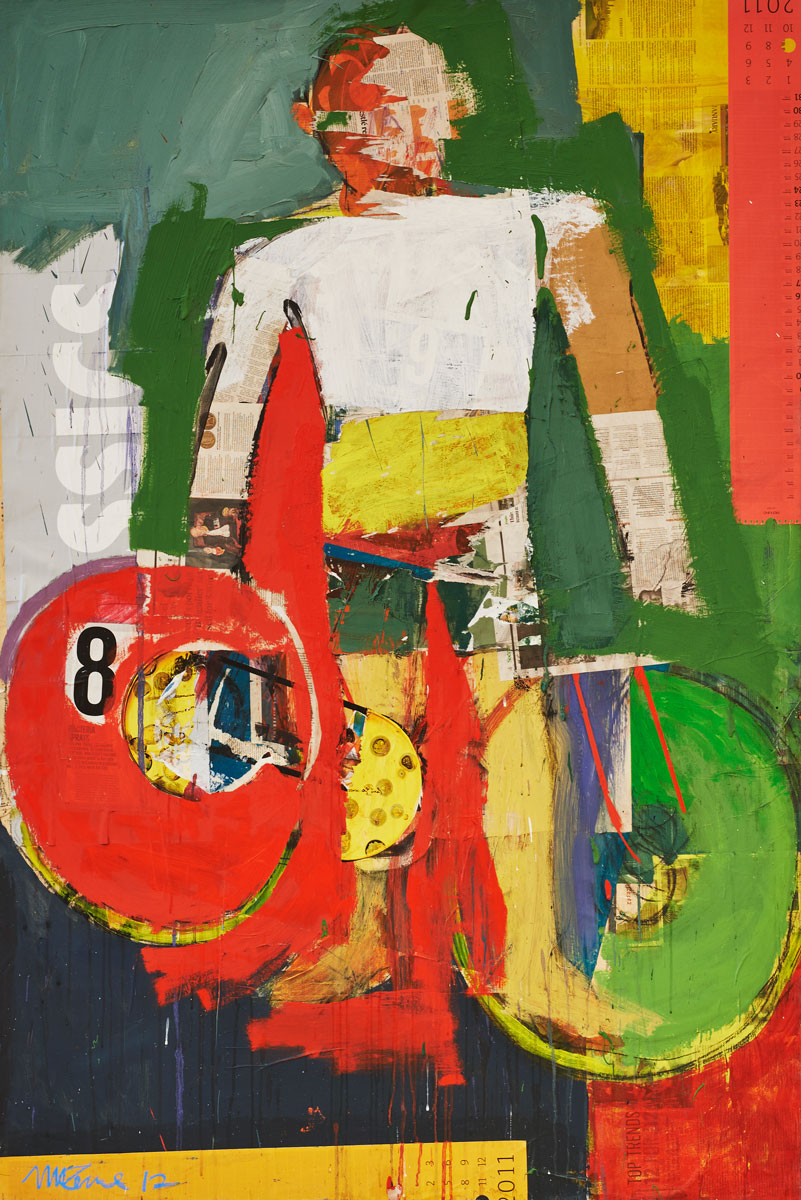
From 1960, when a chance meeting with Cecil King led to his work being included in a show at the Ritchie Hendriks Gallery, Dublin, Michael Kane was a formidable, indomitable presence in Irish cultural life.
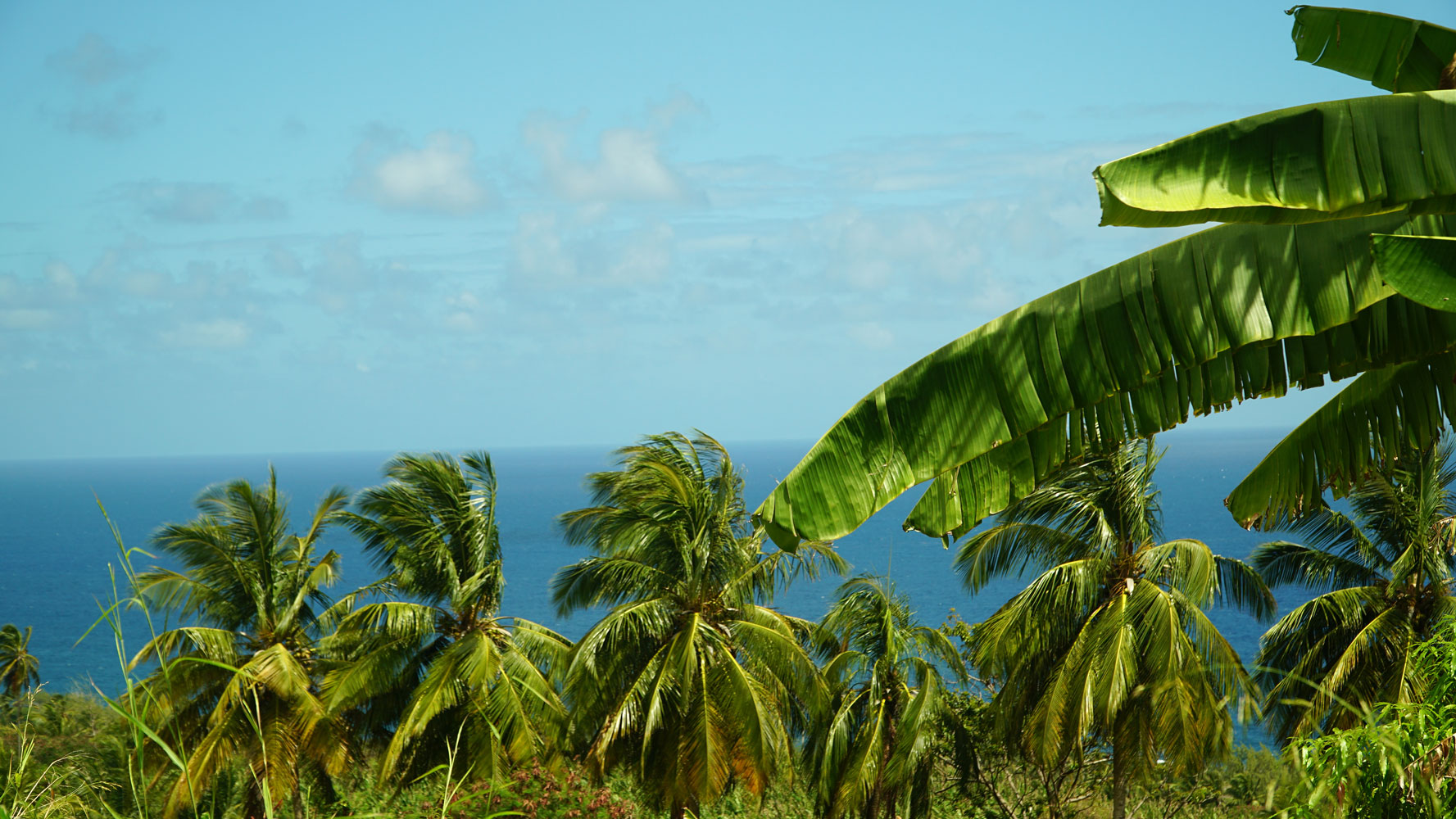
Emer McGarry considers the work of Marianne Keating, which brings to light overlooked stories of Irish migration, labour and resistance
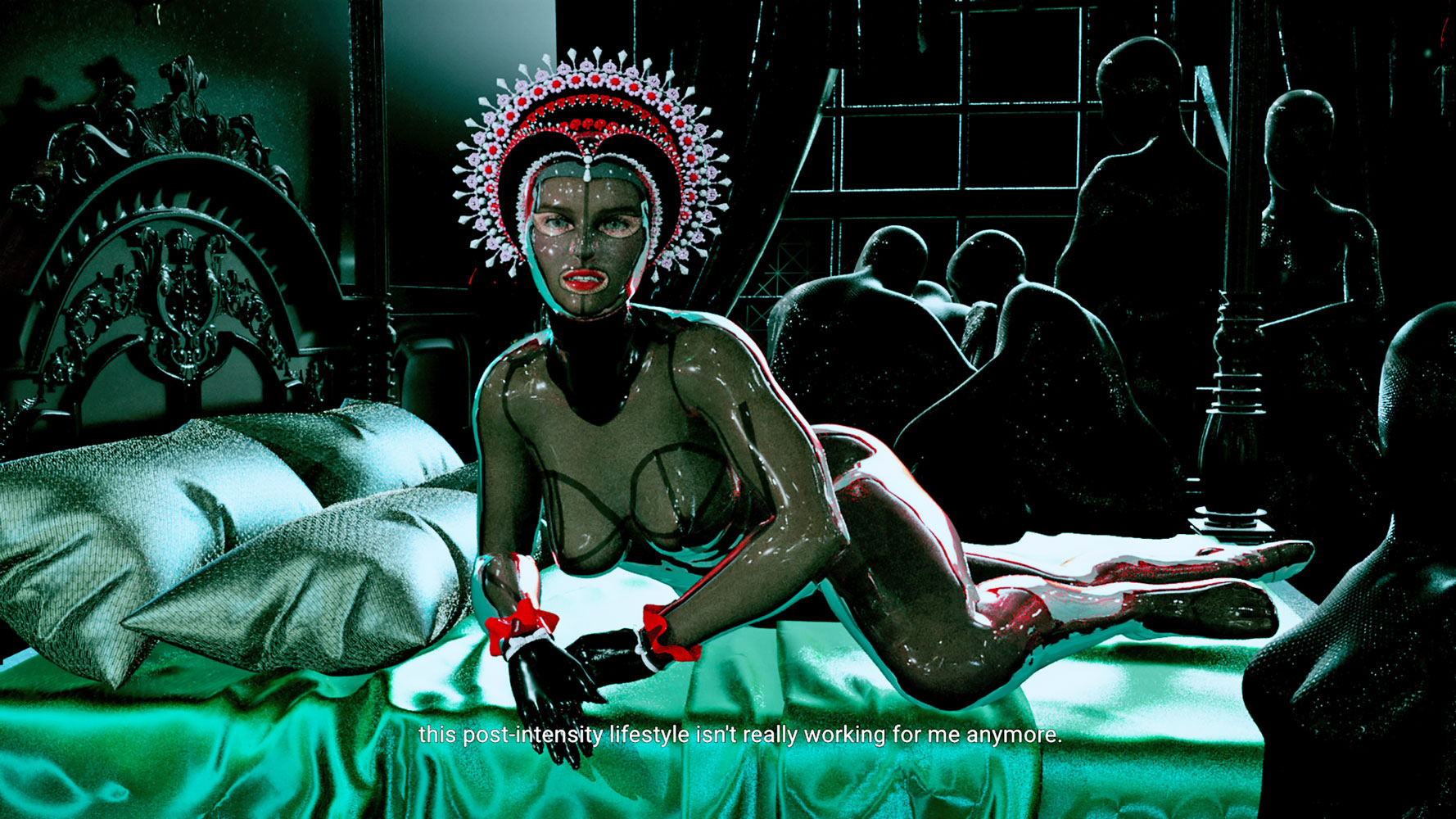
The exhibition treats the archive as a tool for building new futures, writes Seán Kissane