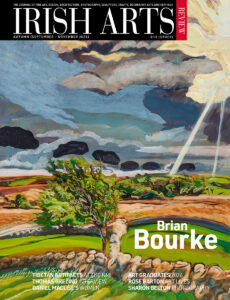
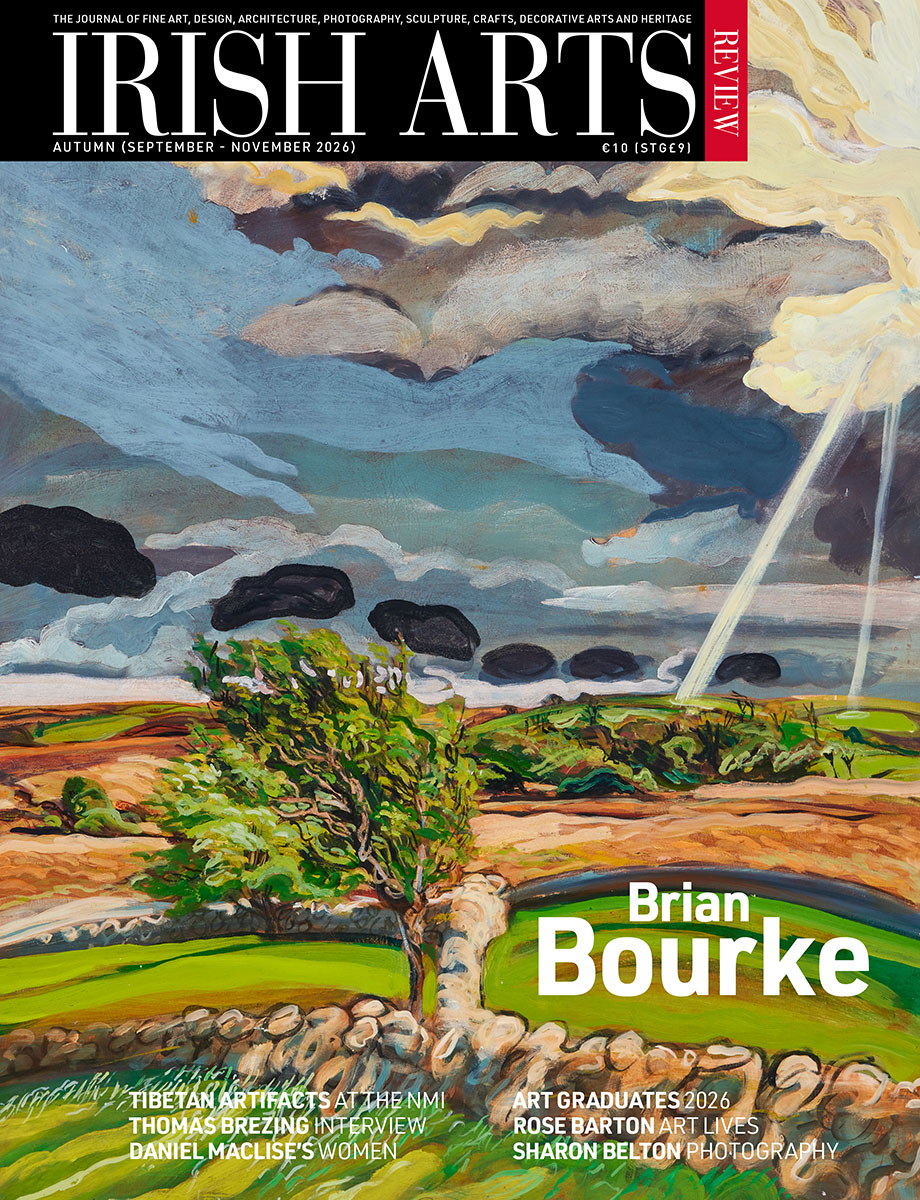
John P O’Sullivan visits the studio and home of artist Brian Bourke in the West of Ireland
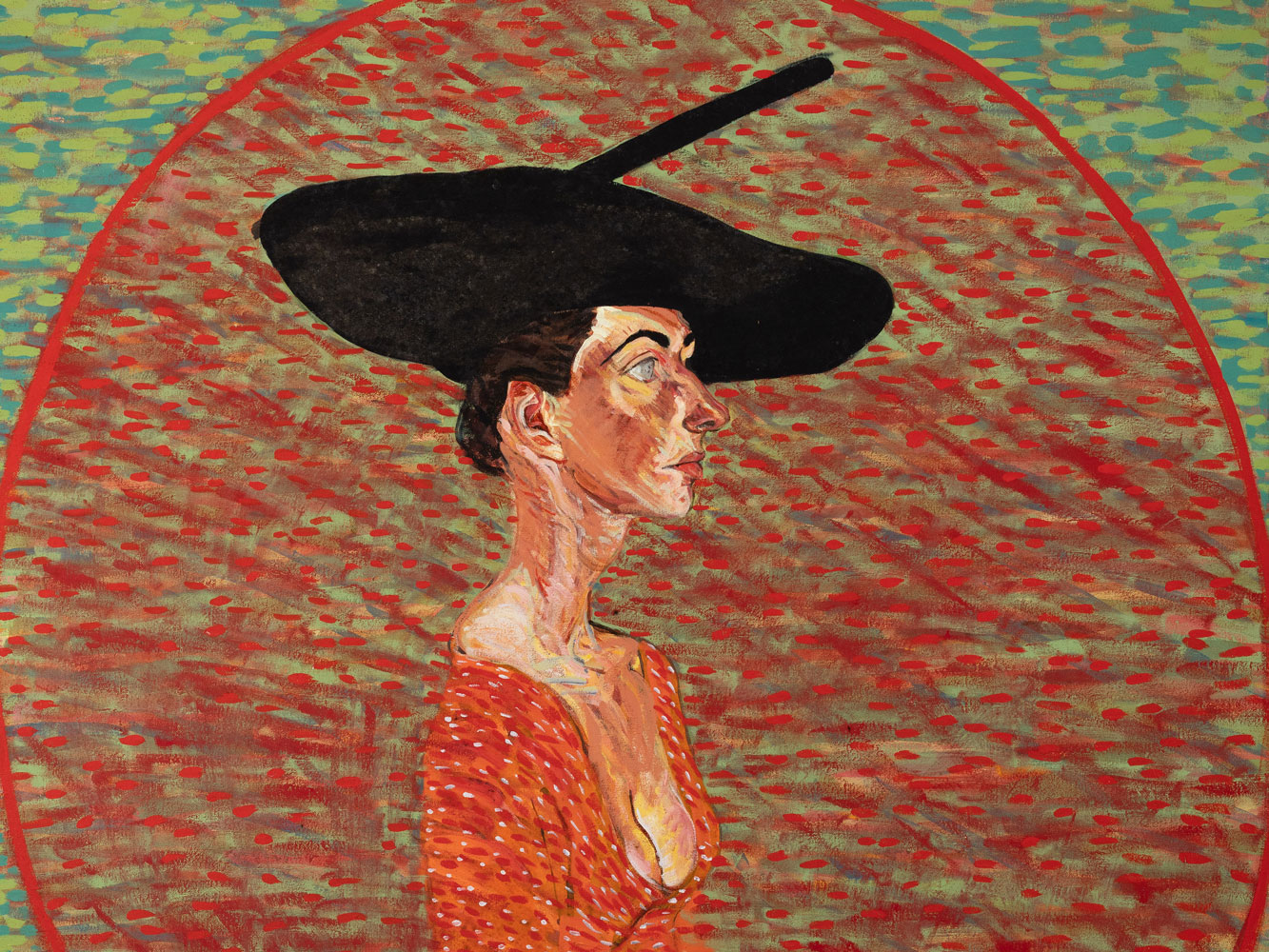
On the eastern fringe of Connemara, north of Moycullen and west of majestic Lough Corrib, down some less-travelled roads, you will find the home of Brian Bourke and his partner in art and life, Jay Murphy.
The first artwork I owned, acquired back in the 1970s, was a lithograph, by Bourke, The Two Heads of Don Quixote. I have followed his career with interest ever since. These days he is a celebrated artist with a ready market. Further confirmation of his status came in July, when he received the James McKenna Award at the Gerald Manley Hopkins Literary Festival in honour of his lifetime achievements. But it was not always thus. Bourke remembers bleak years in the 1980s when he lived ‘half-way up a mountain in Connemara with no electricity or running water’. Bourke and Murphy had a new child and the Irish art market was stagnant. They were living on the farmer’s dole of four pounds a week: ‘walk four miles, take the money and walk back’. But just when life choices were being questioned, the Aosdána scheme was launched. Bourke was in the first batch selected and, crucially, qualified for the financial assistance, the Cnuas. Survival was ensured.
To read this article in full, subscribe or buy this edition of the Irish Arts Review
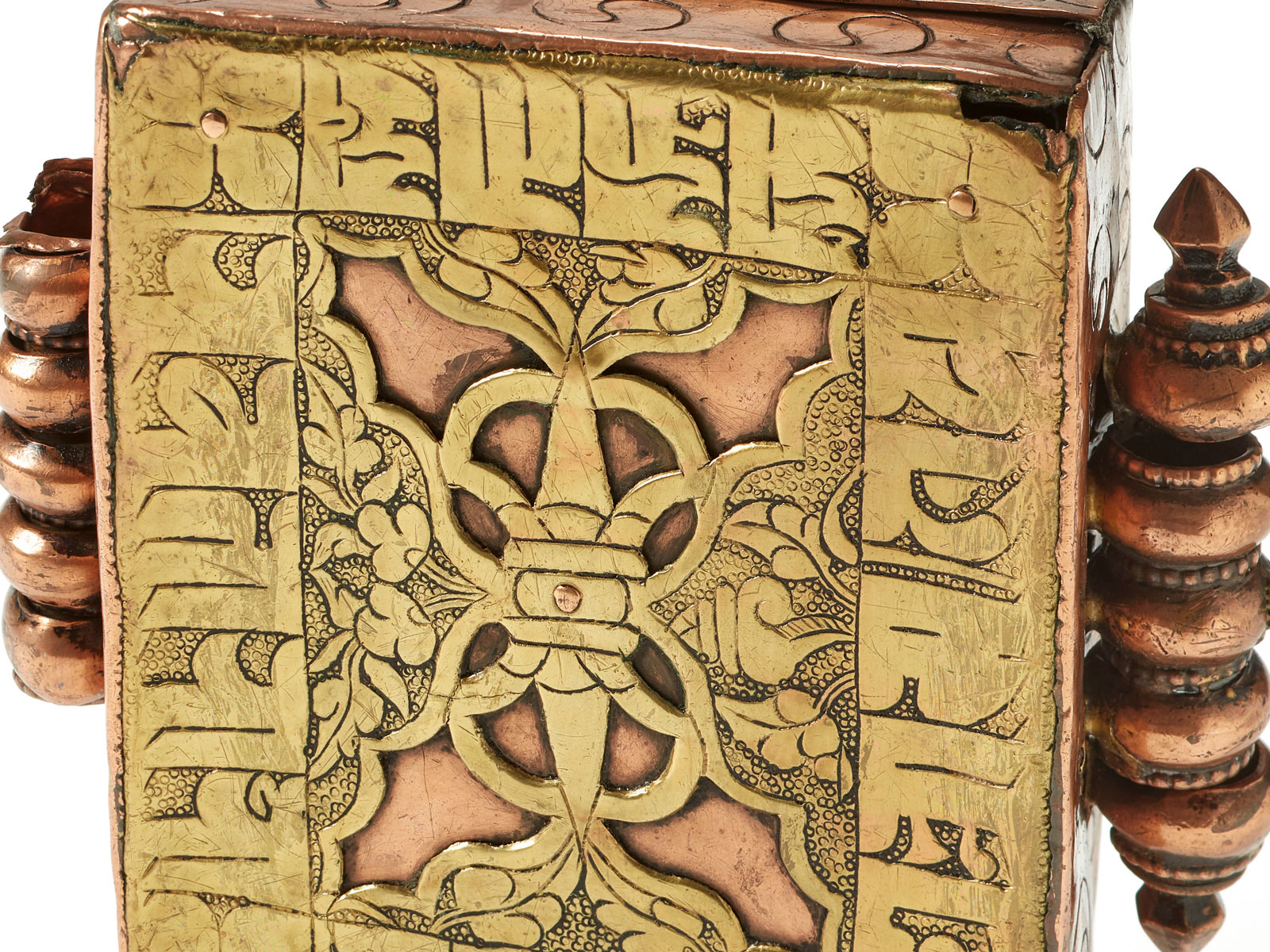
Philip McEvansoneya considers how the Trench Collection of Tibetan art in the National Museum of Ireland was acquired by the collector, and the museum, and asks if it’s time this ethnographic display was made more accessible to the public
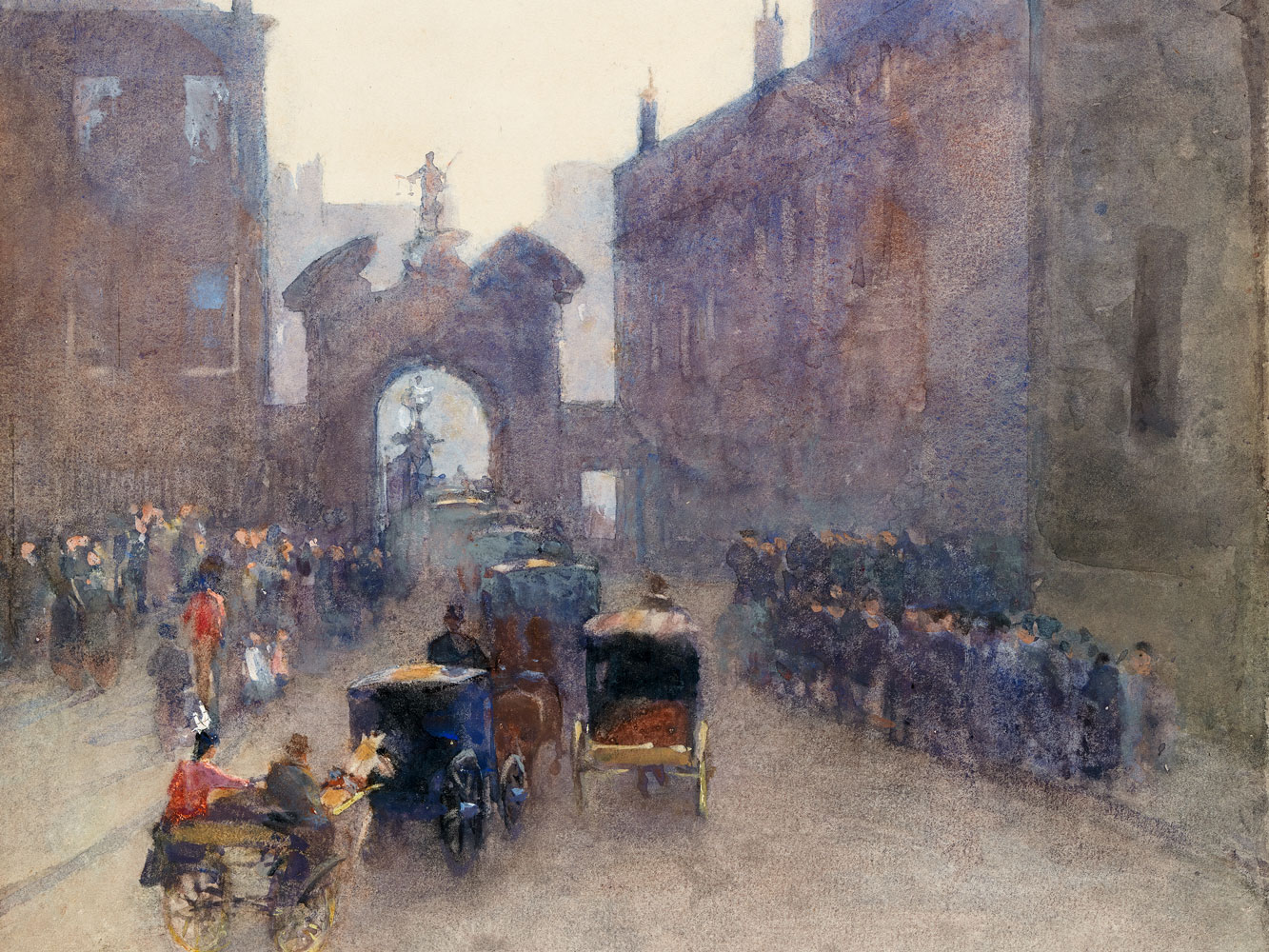
Tom Duffy looks at the work of Rose Barton, who transformed the ordinary by incorporating ‘the picturesque’ into her Dublin and London streetscapes
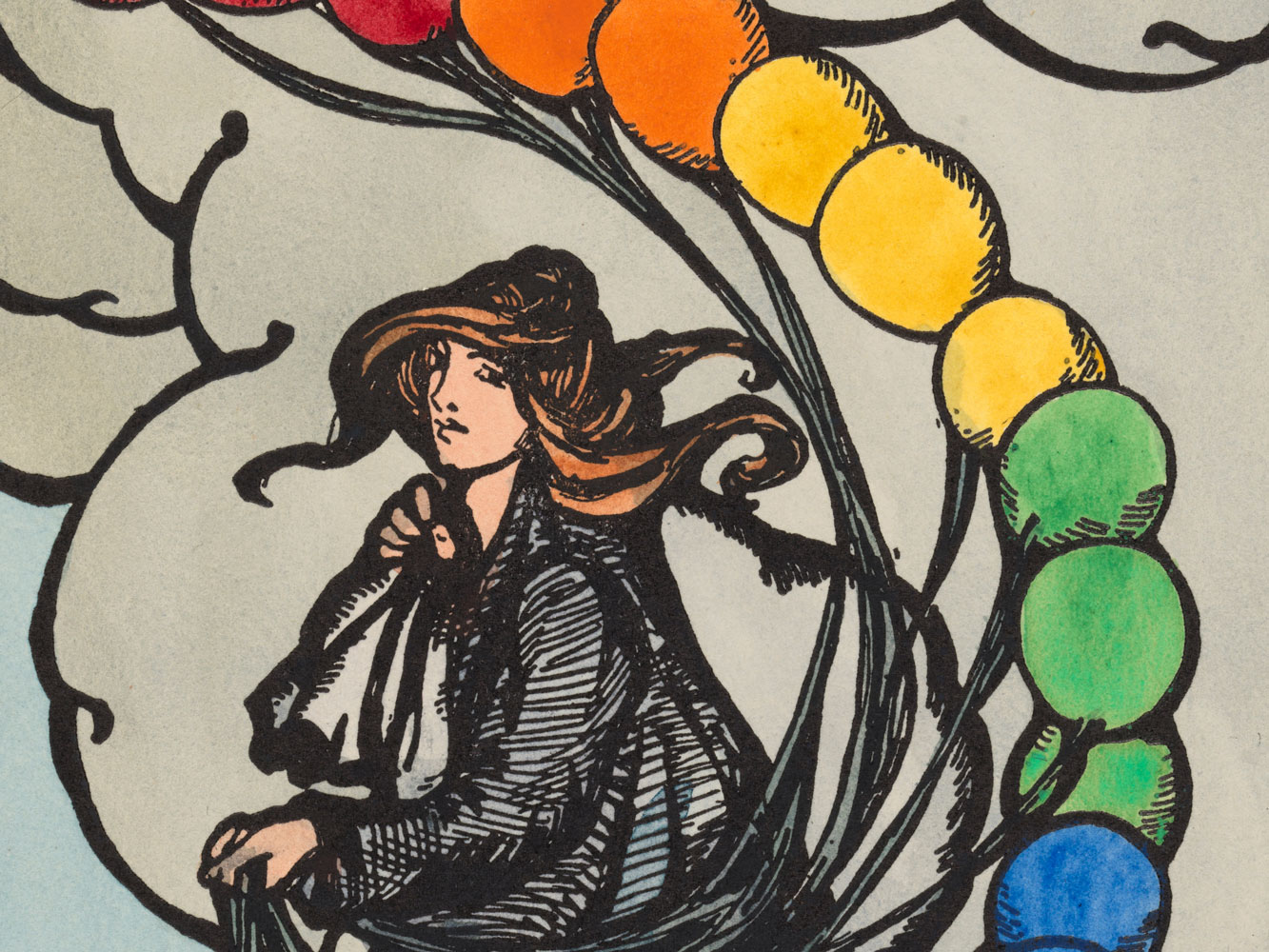
Angela Griffith considers the hand-coloured prints of the Cuala Press and how that organisation helped create a ‘modern tradition’ for Irish women artists