Barbara Dawson selects Lavacourt under Snow by Claude Monet (1840–1926)
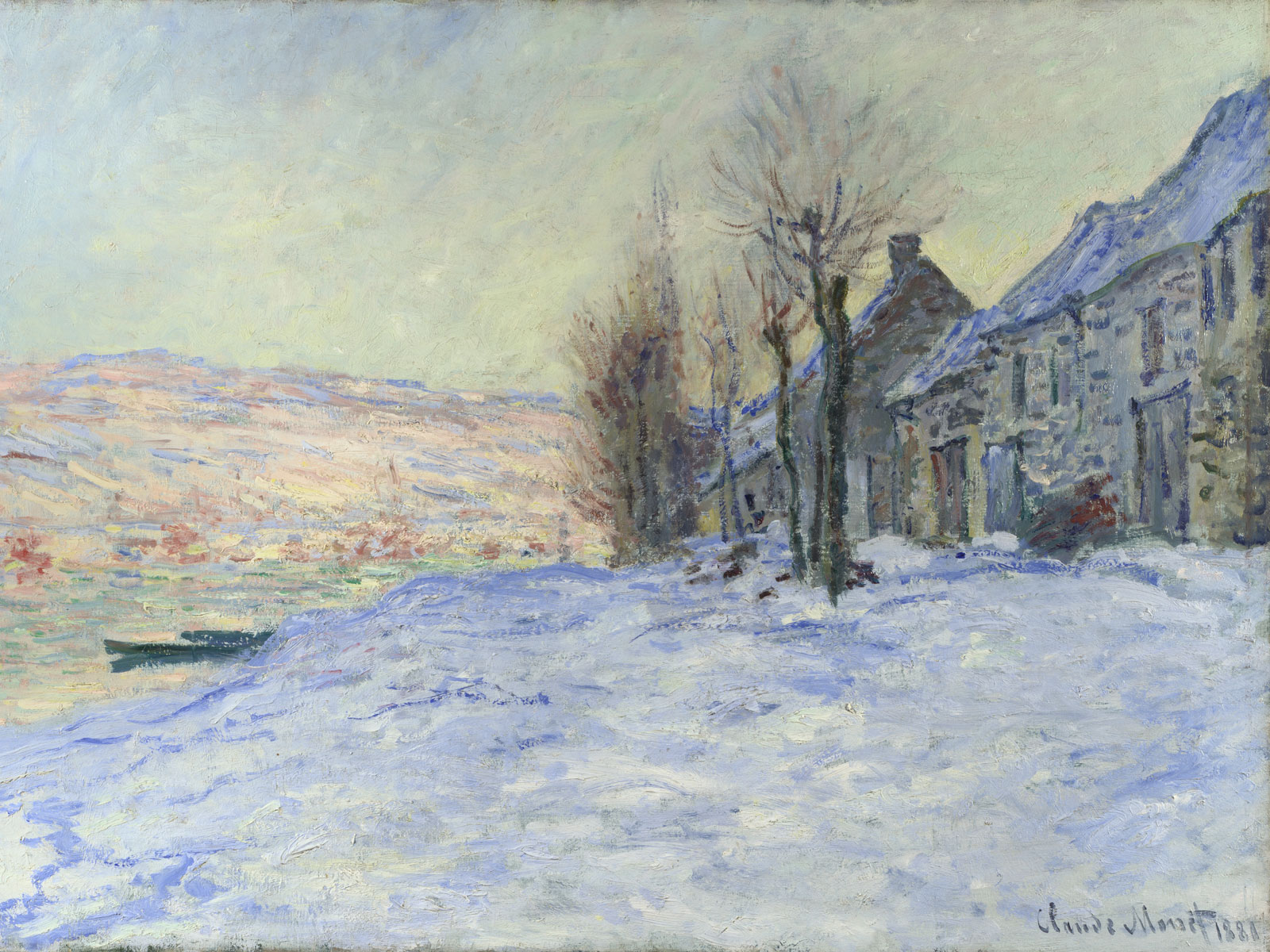
The painting Lavacourt under Snow (1879–80) was created by Claude Monet during one of the most brutal winters on record in France, when the River Seine froze over. It was also a period of crises in the artist’s life. Monet moved out of Paris to pursue his singular vision of landscape painting, concentrating on the effects of shifting light on everyday scenes, capturing the changes wrought on his subject matter by various weather conditions, seasons and times of day. At this time he was in severe financial straits, as the sale of his paintings was slow and his wife Camille was extremely ill. In 1878, Monet moved his family to the small village of Vétheuil. His son Michel was born that year, but sadly Camille died the following year. Despite his many challenges, Monet produced a superb suite of landscapes of the area from many different viewpoints, including from a sailboat, which he converted into a floating studio.
To read this article in full, subscribe or buy this edition of the Irish Arts Review
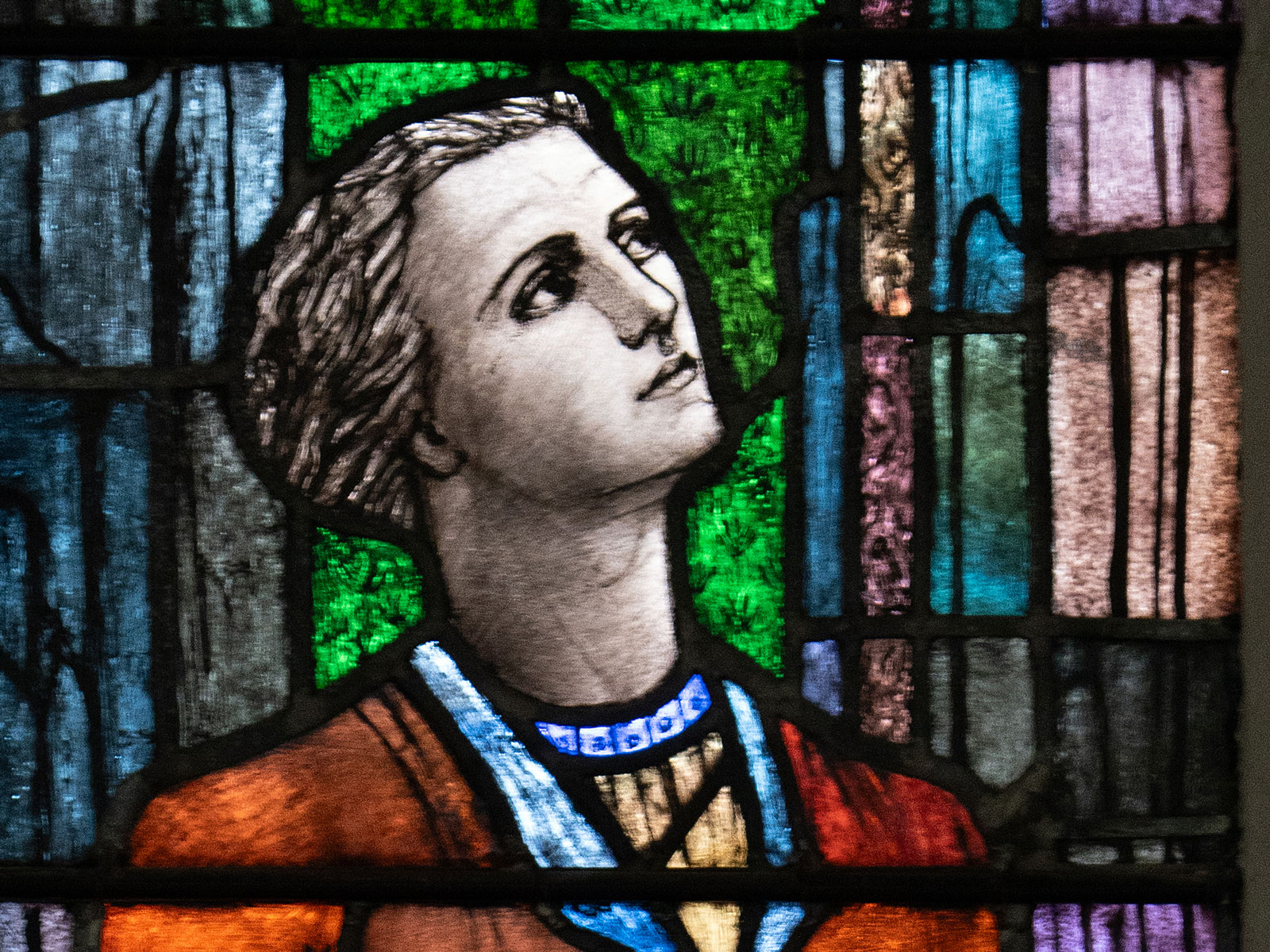
Ann Wilson examines Kitty O’Brien’s Crossing the Bar, a composition in stained glass that functions as a metaphor for hope
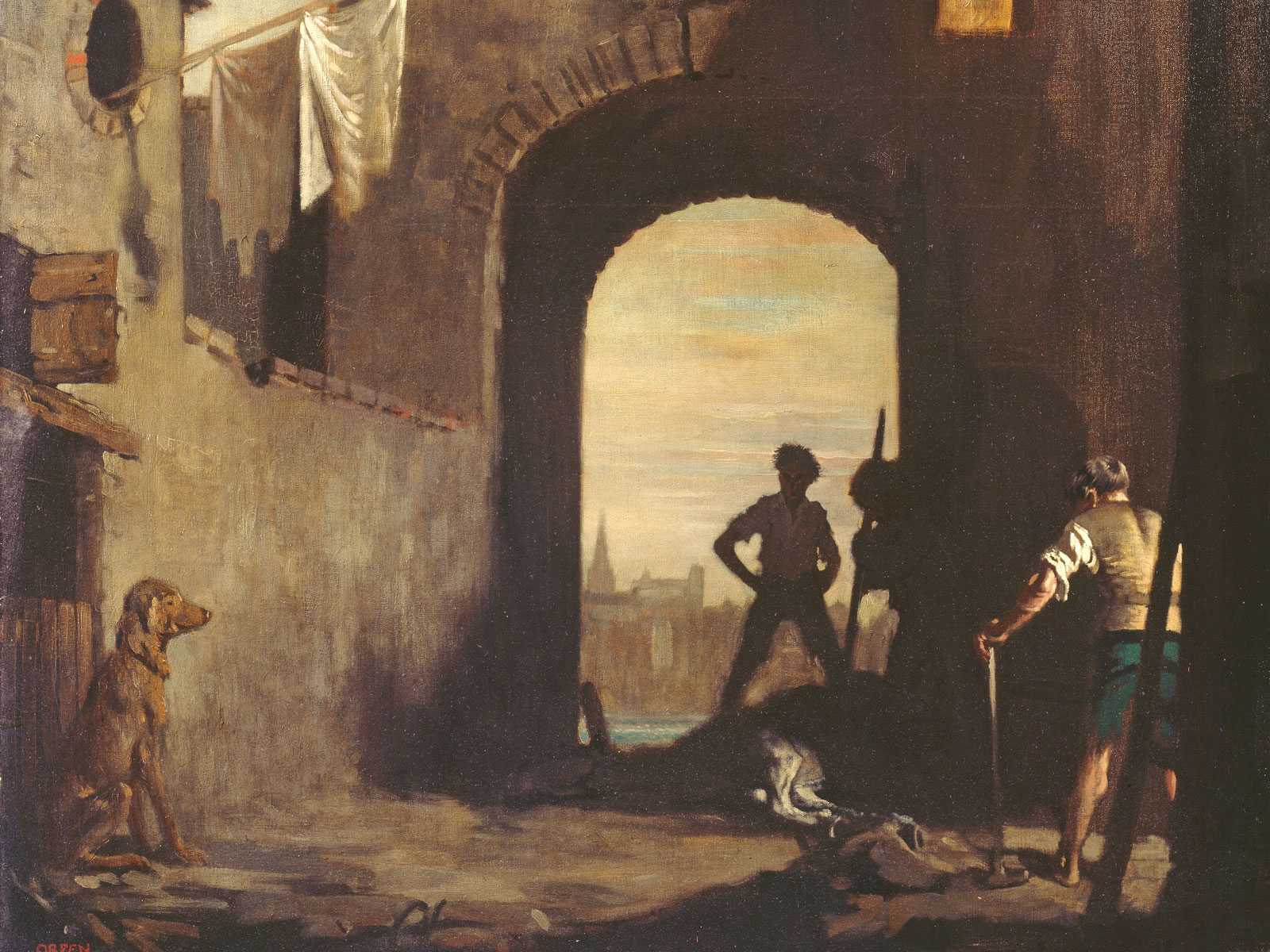
Kenneth McConkey explores the use of archways in mise-en-scène works by artist William Orpen
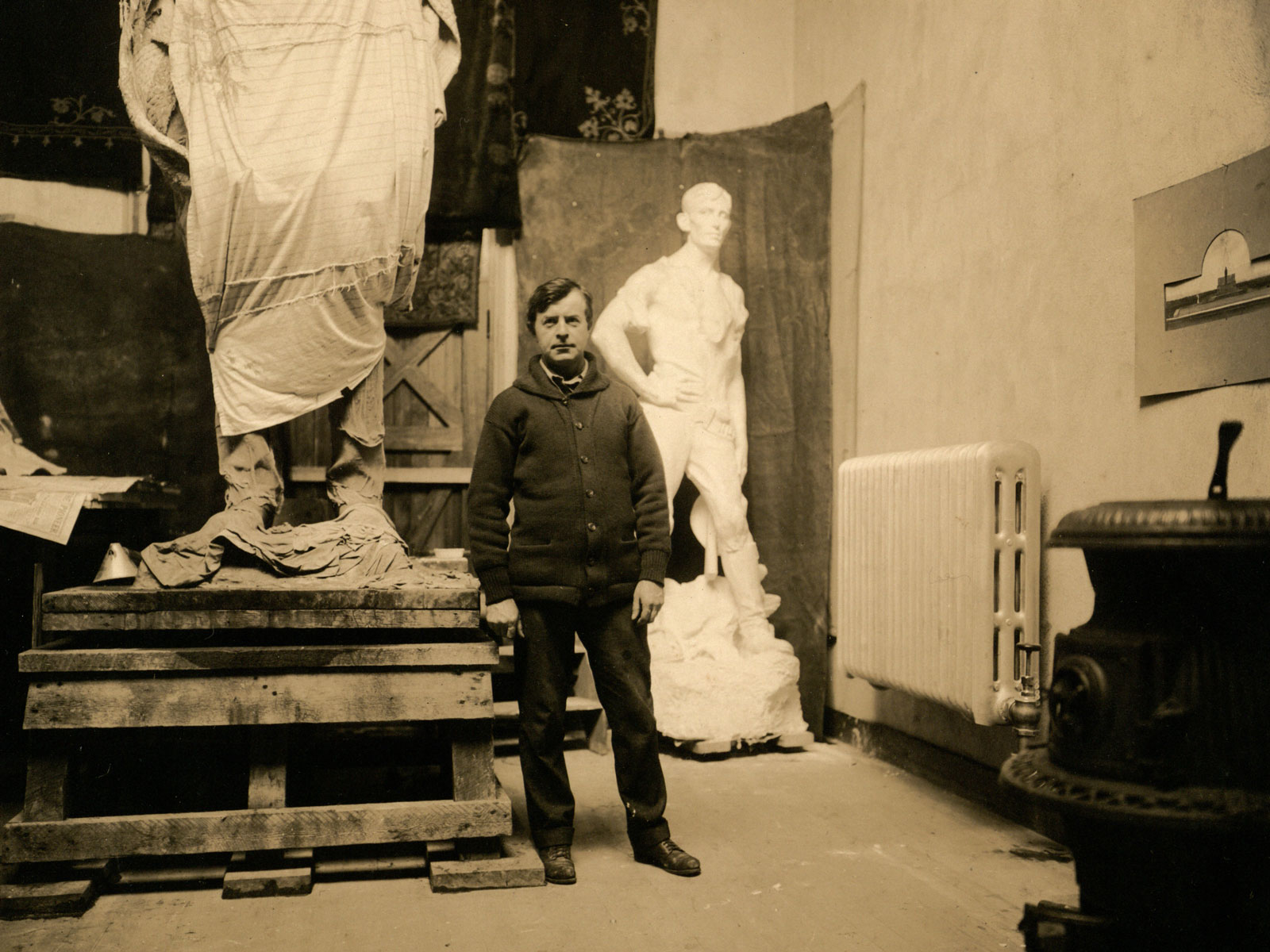
Irish-American sculptor Andrew O’Connor’s public artworks were often too audacious for the people who commissioned them, finds Paula Murphy