
The botanically-themed exhibition at the National Botanic Gardens demonstrates that nature continues to engage and challenge contemporary artists, writes Angela Griffith
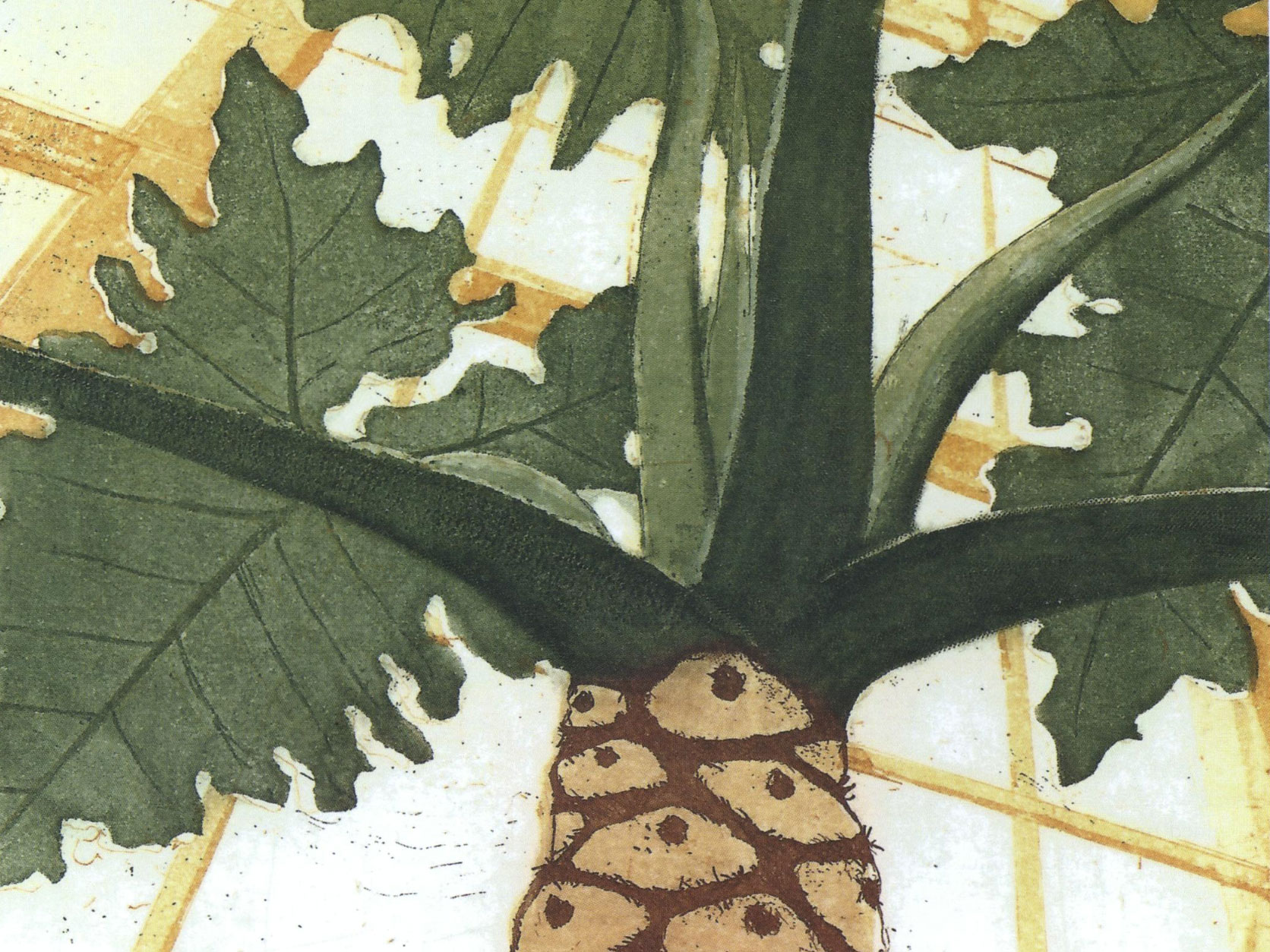
Throughout the history of man, the natural world has aroused responses of awe and curiosity in equal measure. From Classical times, images of plant life were used to decorate, to educate and to serve as visual signifiers. In Christian art the naturalistic representation of flowers and plants, as seen in 15th-century Flemish oil painting for example, was not merely descriptive but were laden with symbolic meaning. During the Renaissance, the study of natural objects took on an inquiring empiricism, as seen in the work of Leonardo da Vinci and Albrecht Dürer. And despite of – or because of – their verisimilitude, images of nature became explicit reminders of the temporality of all life forms.
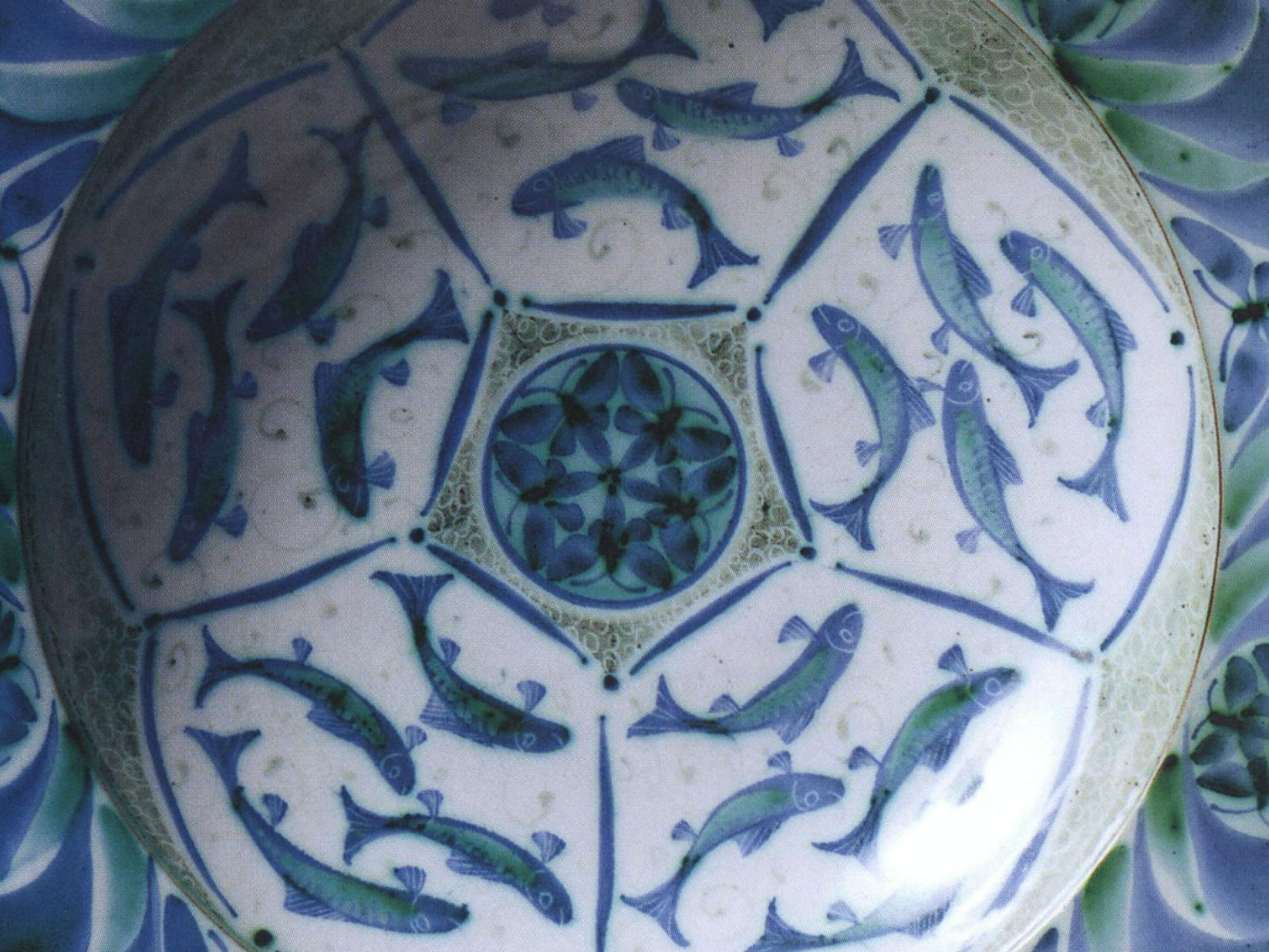
Eleanor Flegg visits ceramicist Mark Campden’s Kilkenny studio to witness the process behind his gleaming table-ware

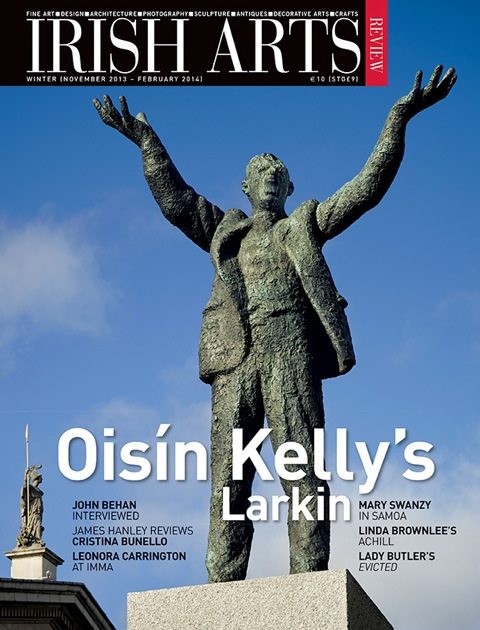
Paula Murphy examines the background to Oisín Kelly’s immortalization of Big Jim Larkin commissioned by the workers of Ireland
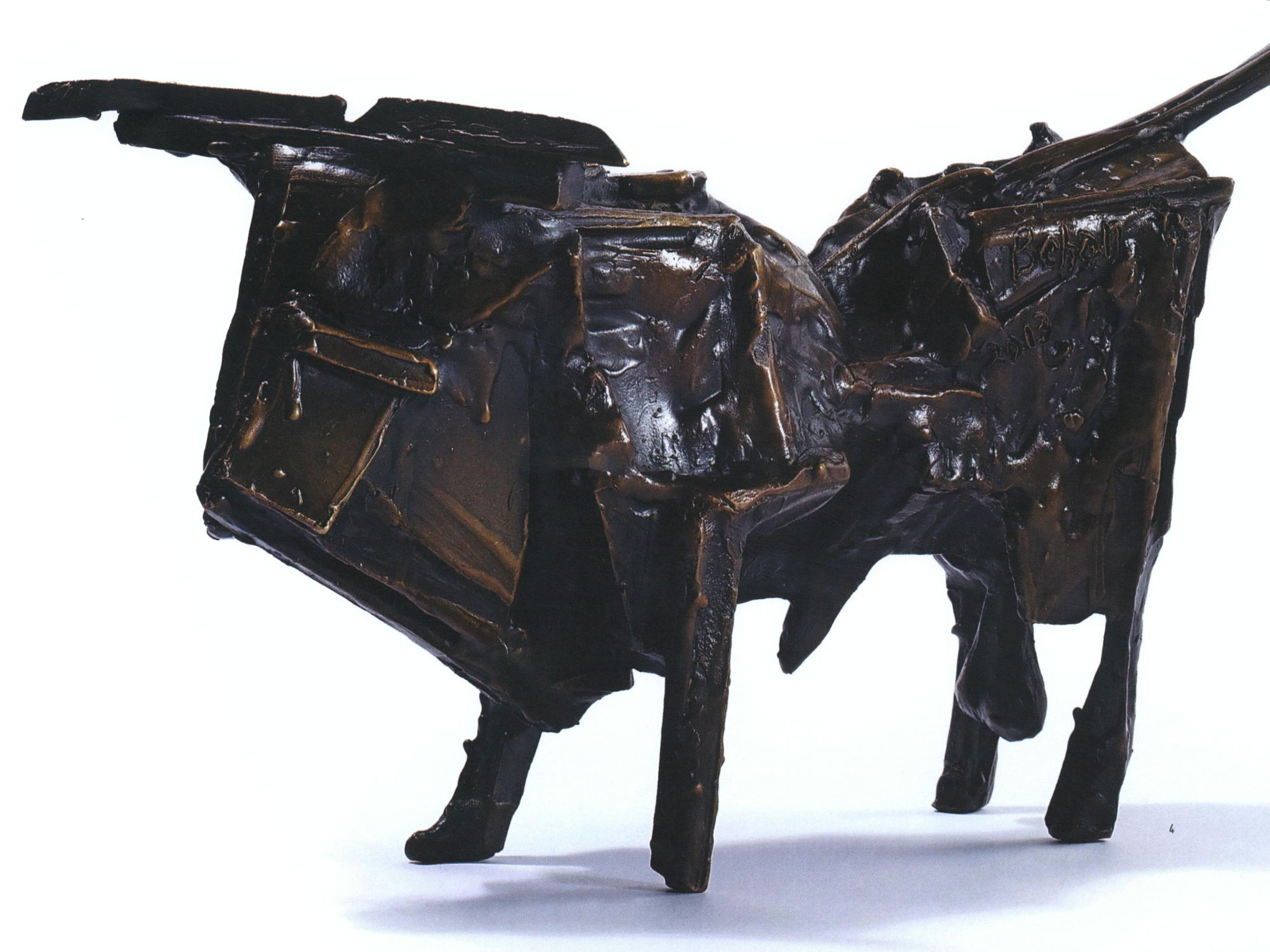
Technical developments enable artistic development’: John Behan reflects on the circumstances which spurred his move to sculpture, in conversation here with Brian McAvera