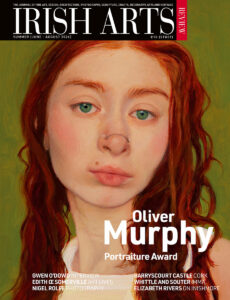
Nigel Rolfe’s wide-ranging practice evokes a beauty that is ‘resistant and not pretty’, finds Stephanie McBride
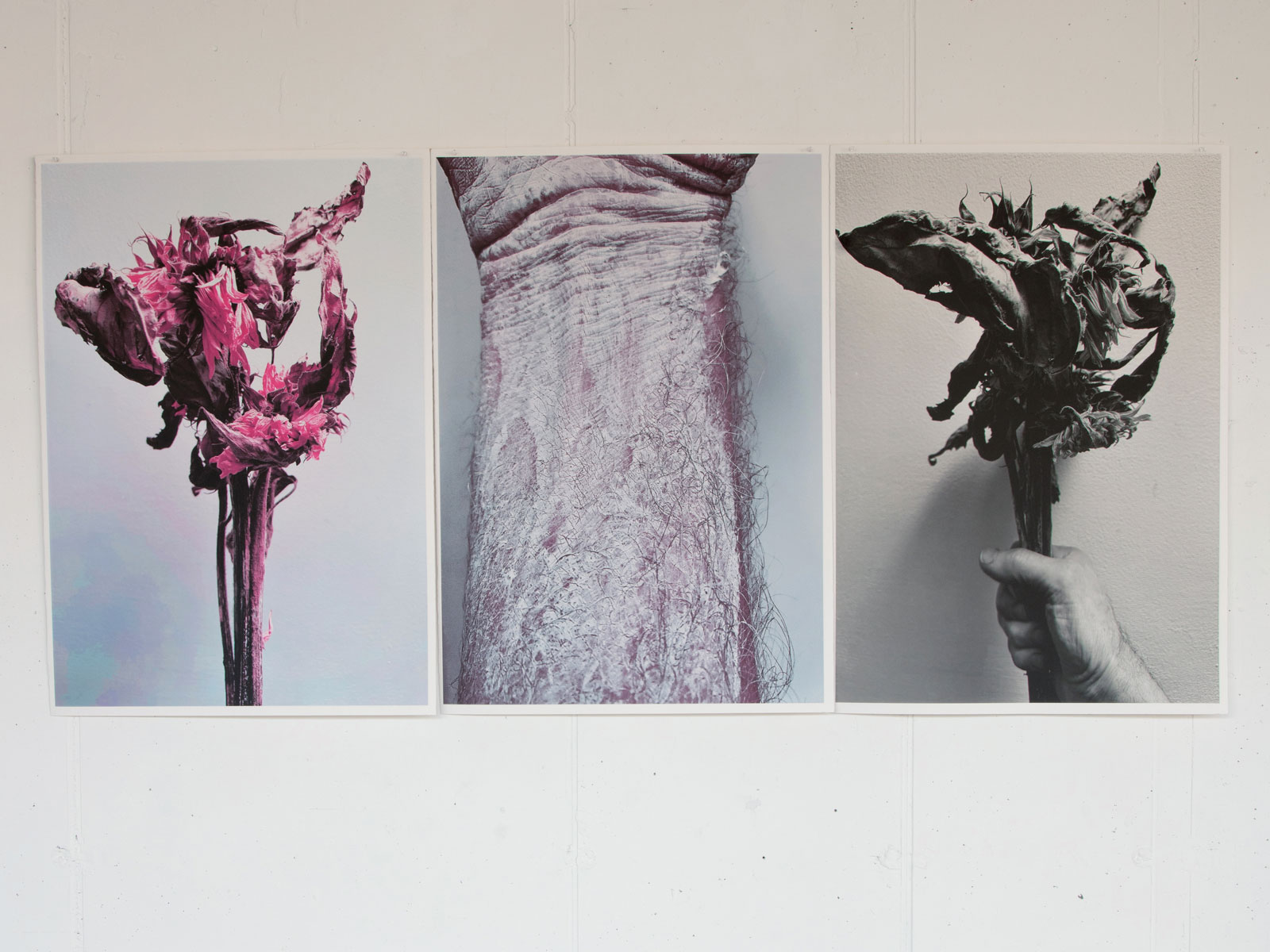
Nigel Rolfe is best known as a pioneer in performance art, famous for his use of – among other elements – blood, mud, flour, soot and water. Born on the Isle of Wight in 1950, he has lived and worked in Dublin since 1974. His wide-ranging practice also includes works on paper, photography, sculpture, installation, video and sound.
Rolfe’s recent show in Dublin, ‘Still Even’, at the Green on Red Gallery, displays an austere elegance. Exploring beauty, vulnerability and decay, the exhibition element consists of some seventy large-scale works of mixed media, giclée prints, video and sound. Large grids, diptychs and triptychs take the wall space, while the floor has residues of his mesmerising opening-night performance, ‘Baby’s Breath/Baby’s Tears’ – deep-blue ink, coils of blue ribbons and a spray of baby’s breath (gypsophila, which recurs in various forms across the exhibition).
To read this article in full, subscribe or buy this edition of the Irish Arts Review
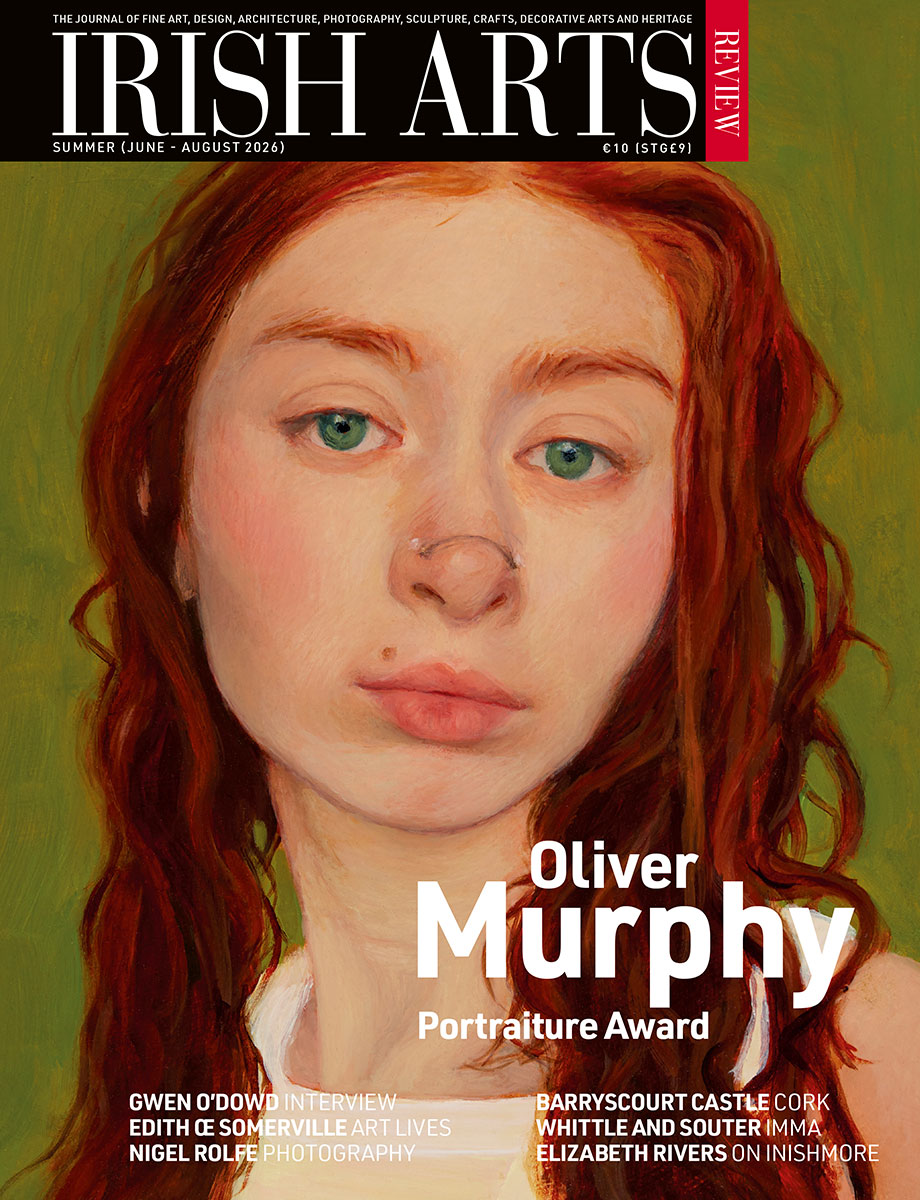
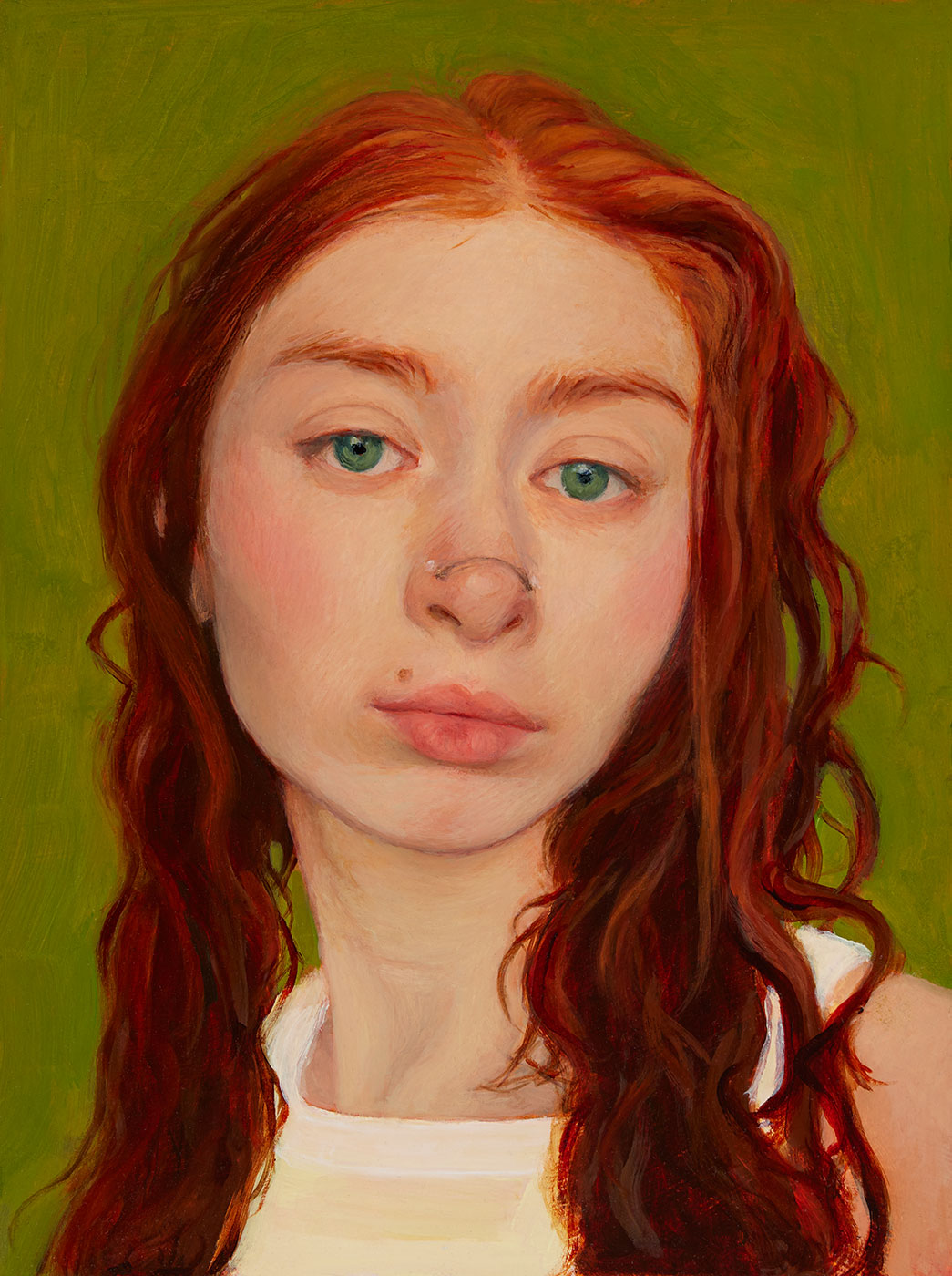
Artist Oliver Murphy’s interest in portraiture developed out of his deep fascination with faces, writes Róisín Kennedy
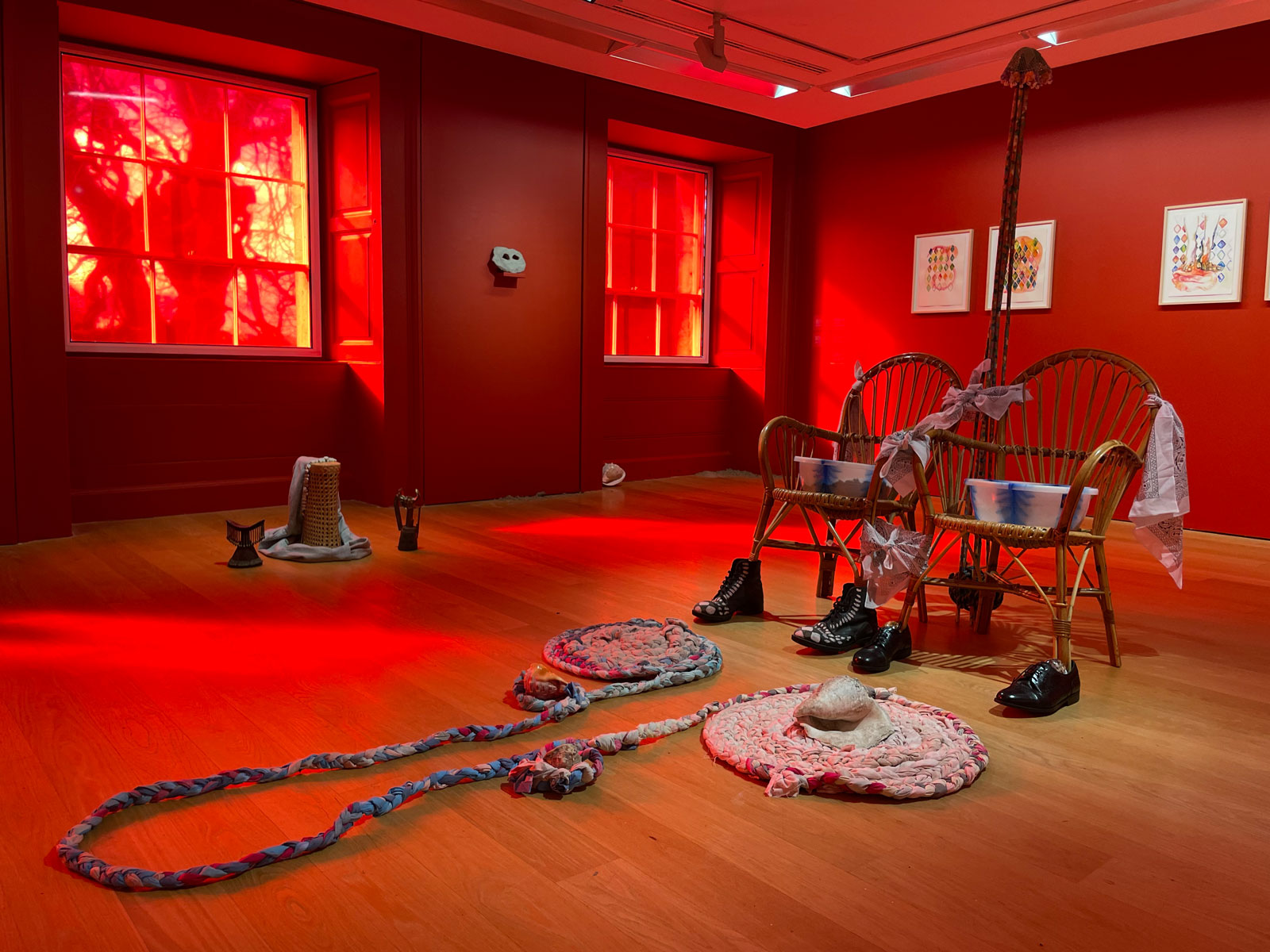
In IMMA’s exhibition of works by Camille Souter and Alberta Whittle, Sarah Kelleher finds a current of joy running through both artists’ practices
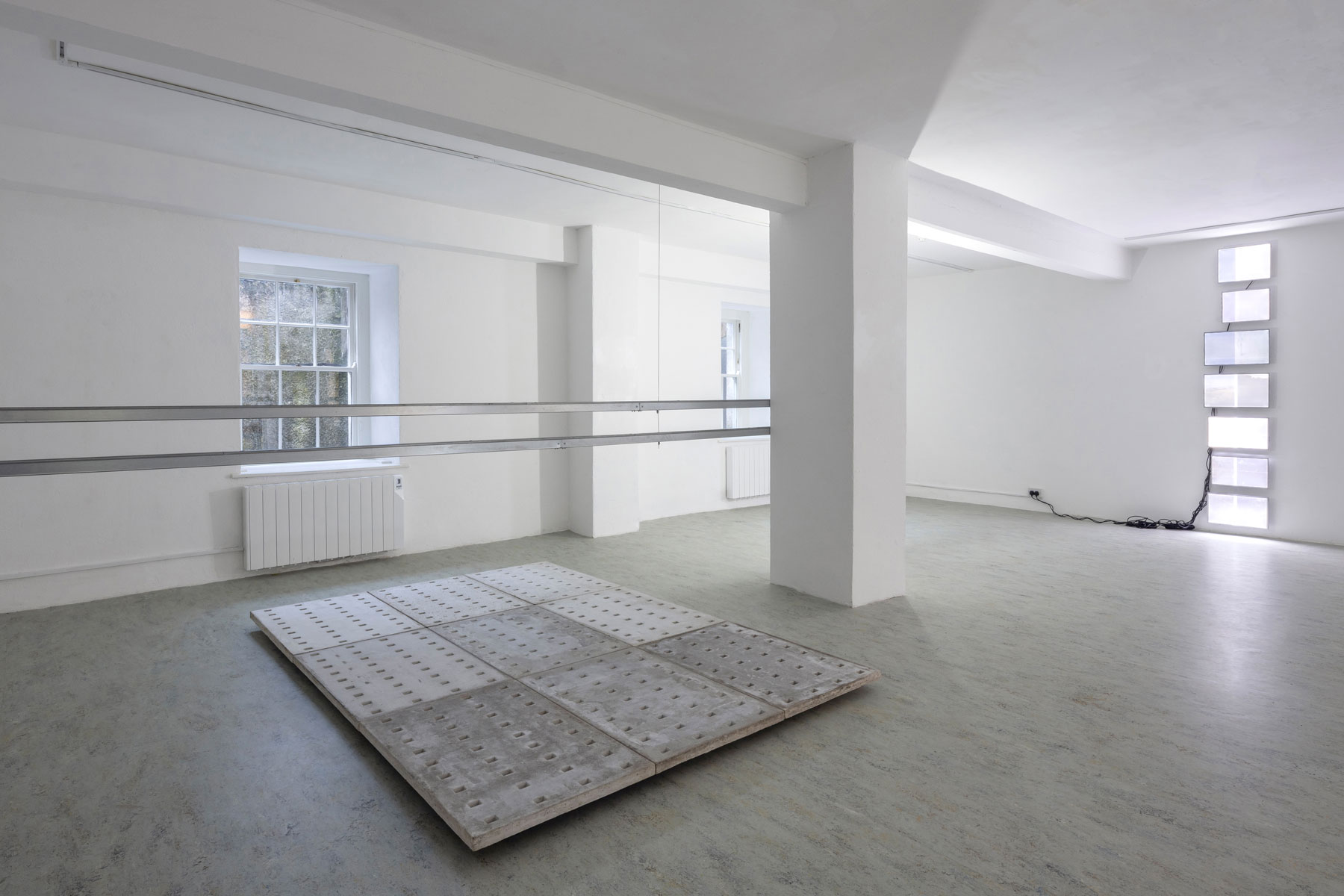
John Rainey appraises the varied sculptural practice of artist Blaine O’Donnell