
Vivienne Roche belongs to a generation who transformed what sculpture could be. ‘I don’t consider myself an object-maker. I work with place and change’, she tells Brian McAvera while her exhibition continues at the Royal Hibernian Academy
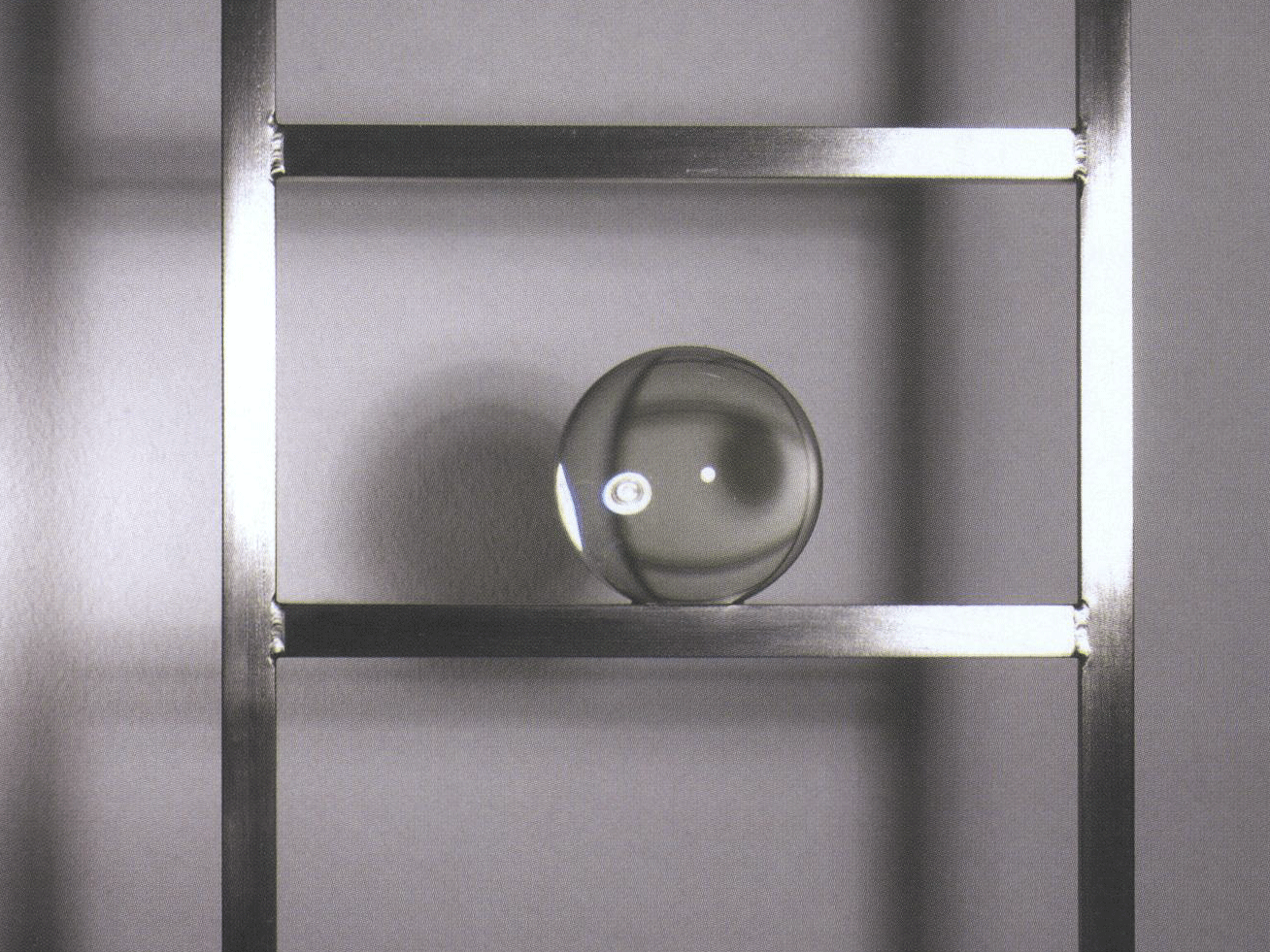
Brian McAvera: You were born in Cork in 1953, a city whose ‘otherness’ has been well summed up by Seán O’Faoláin in his autobiography. Do you think that its distinctive ambience and history influenced your work?
Vivienne Roche: Even as a child I understood it to be a small city and I felt it to be a personal one. I was born in the house I grew up in: the only member of my family born there. The Edwardian house was on a road that formed a boundary between the city and the country even though it was only about a mile from the city centre. My father was an engineer, my school a few doors from his office in the city centre. I often went on site visits with him. My own sense of the city was the physicality of it rather than the people: buildings, bridges, Sutton’s building going on fire and being let out of school to see it; a ship hitting a bridge, hearing the thud, and being allowed out to see that too! I think, yes, the city’s industrial base has certainly influenced my work. Verolme Dockyard, where I made my first commissioned sculpture, and which functioned until the 1980s – Dunlop’s, Sunbeam’s, Ford’s, all had large workforces.

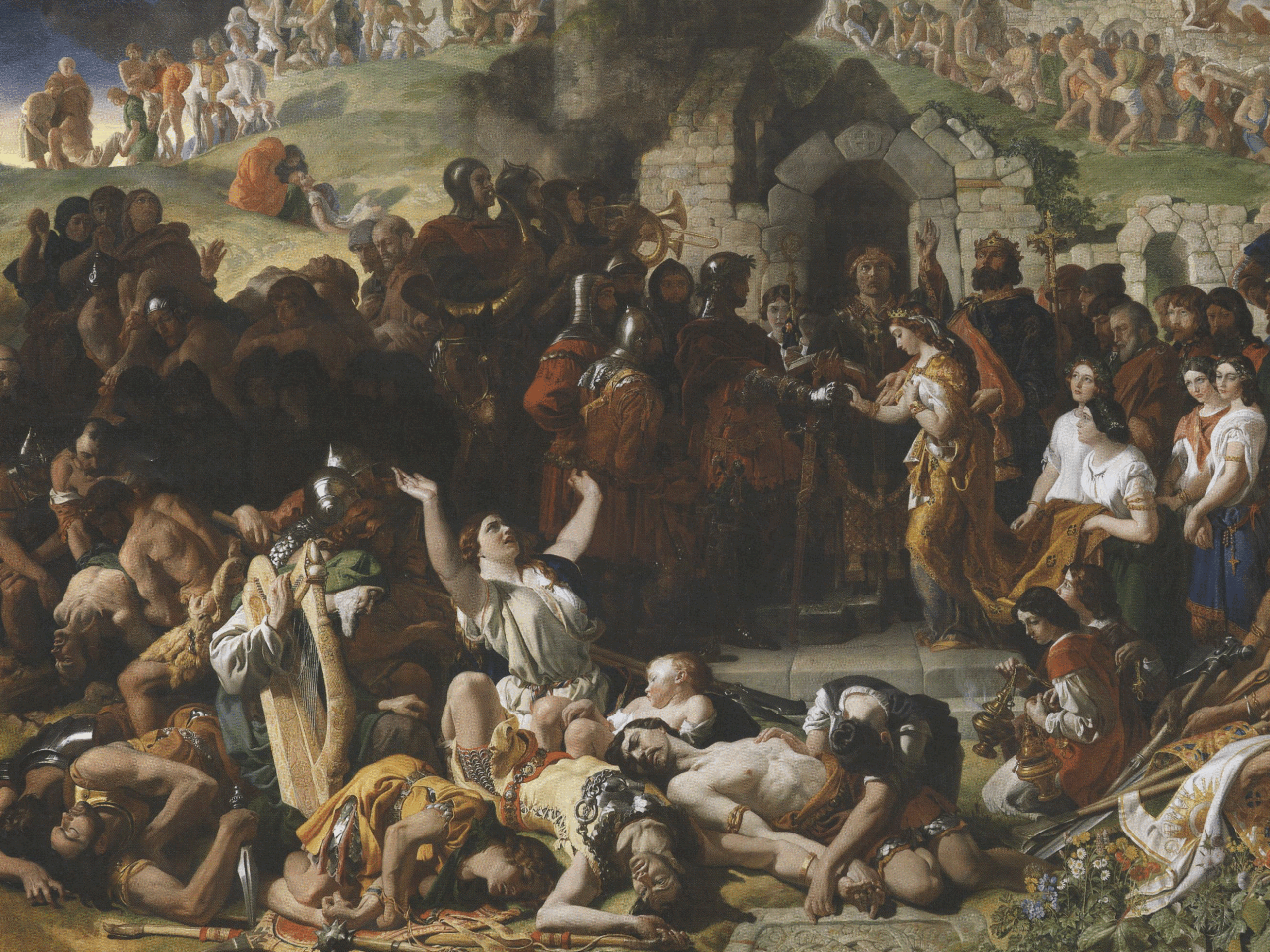
Was Daniel Maclise a proto-Nationalist painter? Peter Murray thinks not, in his assessment of the National Gallery’s recently restored masterpiece.
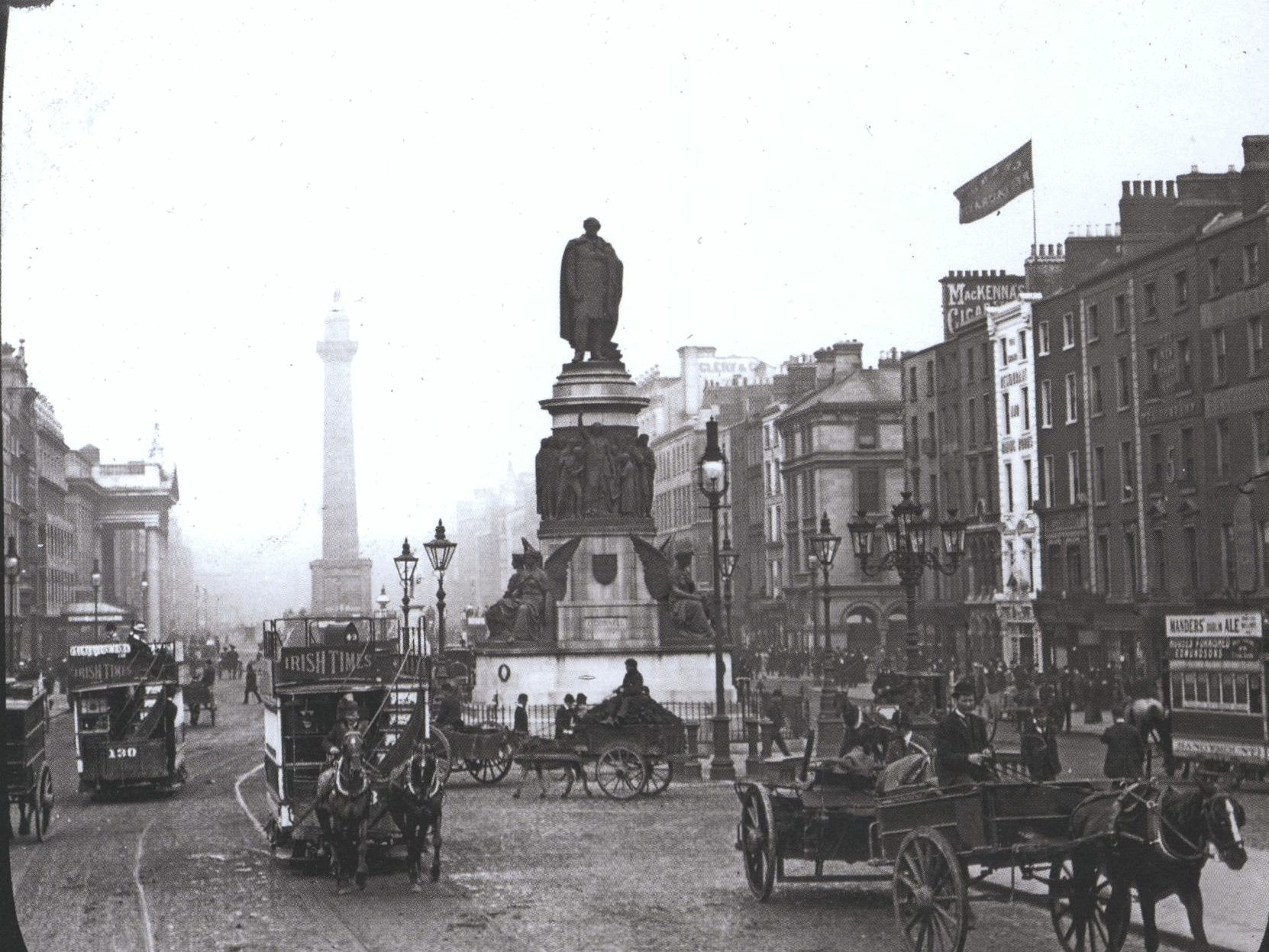
Christiaan Corlett looks at a valuable, but little-known portfolio of photographs taken by Victorian doctor Ephraim MacDowel Cosgrave, now in the collection of the Royal Society of Antiquaries of Ireland
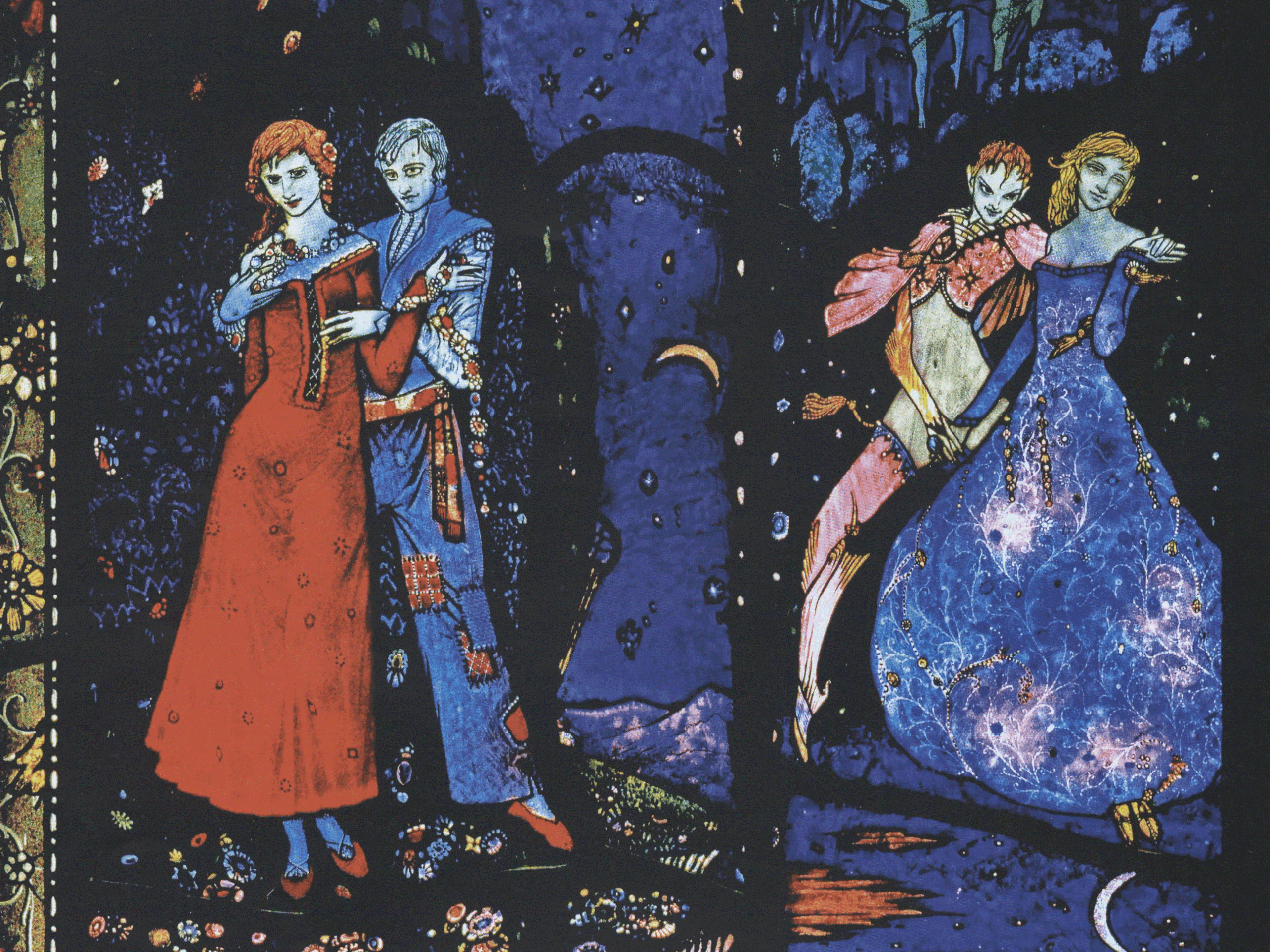
Nicola Gordon Bowe recalls how Harry Clarke’s homage to Ireland’s most celebrated writers fell foul of censorship in the early days of the Irish Free State