
Using a selection of germane quotations Rolf Loeber recalls his mentor, the late Maurice Craig; their literary exchange taking the form of a tete-a-tete.
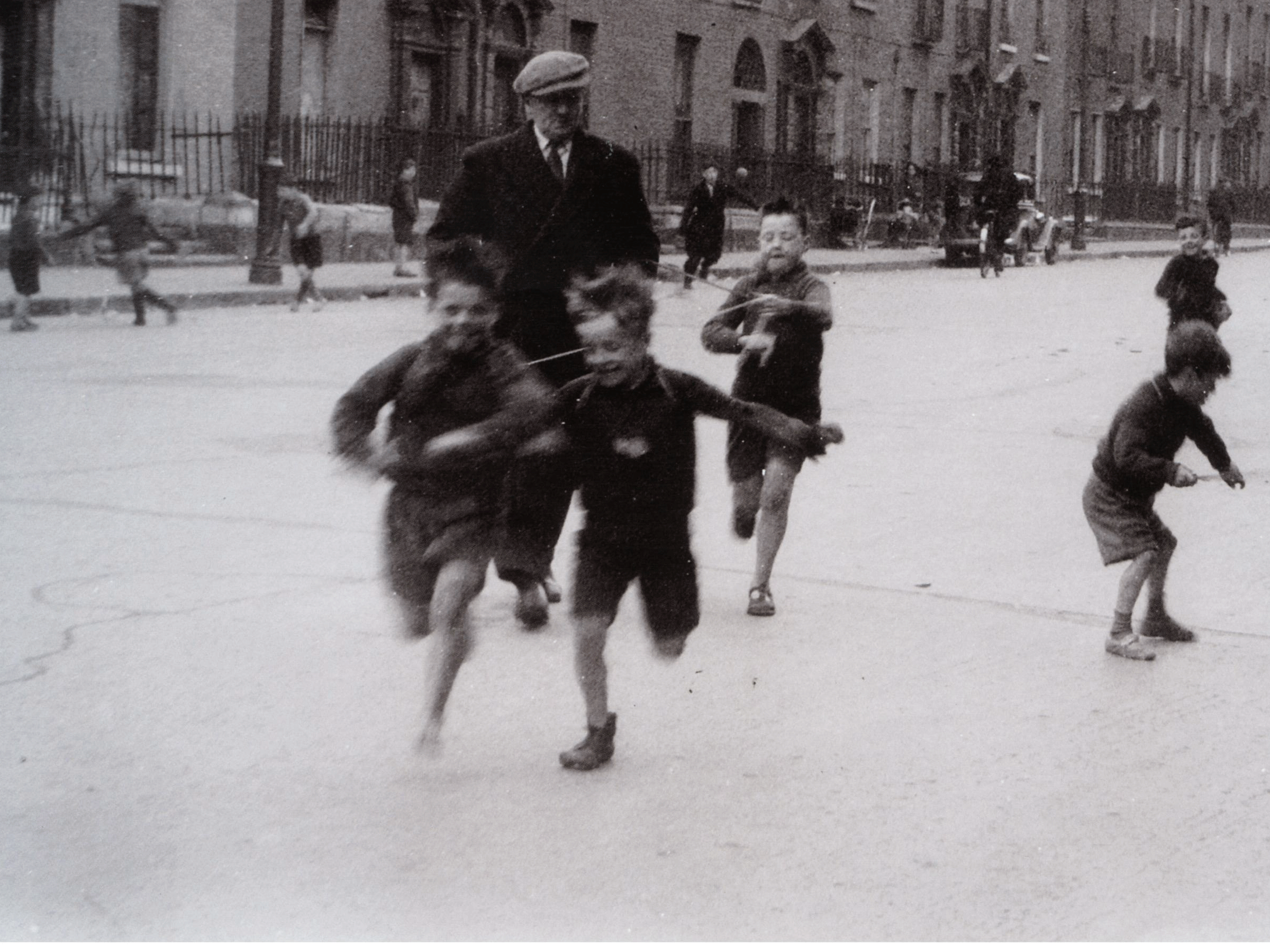
One of the great strengths of Maurice Craig’s perception of architectural qualities was that it did not depend on strict standards of what academics considered good or bad architecture. Instead, he developed his own standards of what he found interesting or exceptional, telling a story about the buildings without dropping in the quagmire of odd anecdotes of their owners. Although he was an inspector of ancient buildings at the Ministry of Works in London from 1952 to 1970, he never wrote a book about his English experiences. Instead, his writings centred on Irish architecture, and he set the tone for alternative architectural appreciation, thereby gaining a wide range of readers, many of whom were fired up by his writing to preserve the Irish architectural heritage. Undoubtedly, Maurice’s photographic legacy is enormous, and we are grateful that he donated his collection of 2000 photographs to the Irish Architectural Archive. He spent countless days over many decades travelling the Irish countryside in a succession of cars to take pictures.
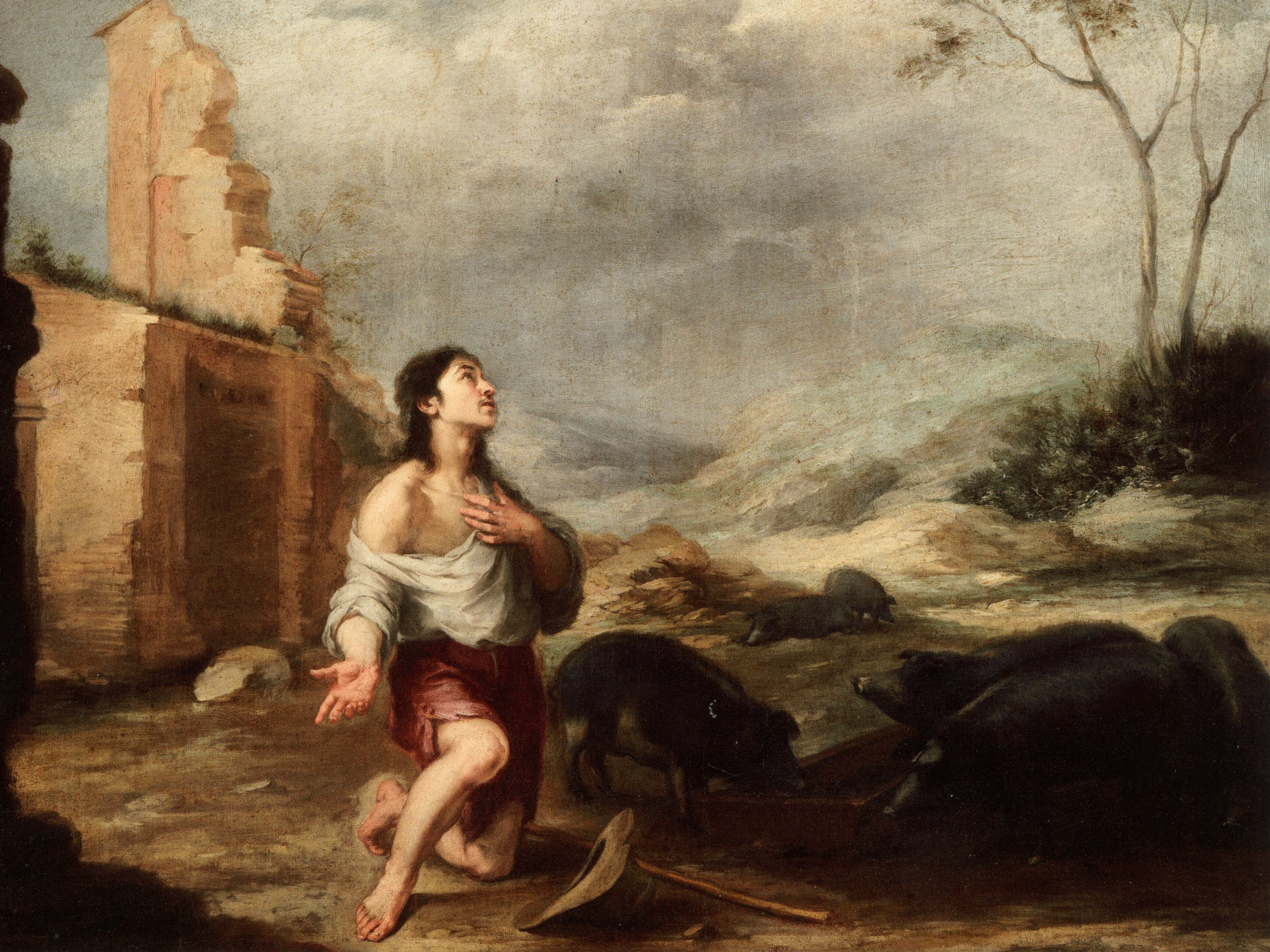
Muirne Lydon reveals the original brilliance of Murillo’s Prodigal Son as degraded varnish and old restorations are painstakingly removed from the 17th-century series at the National Gallery of Ireland
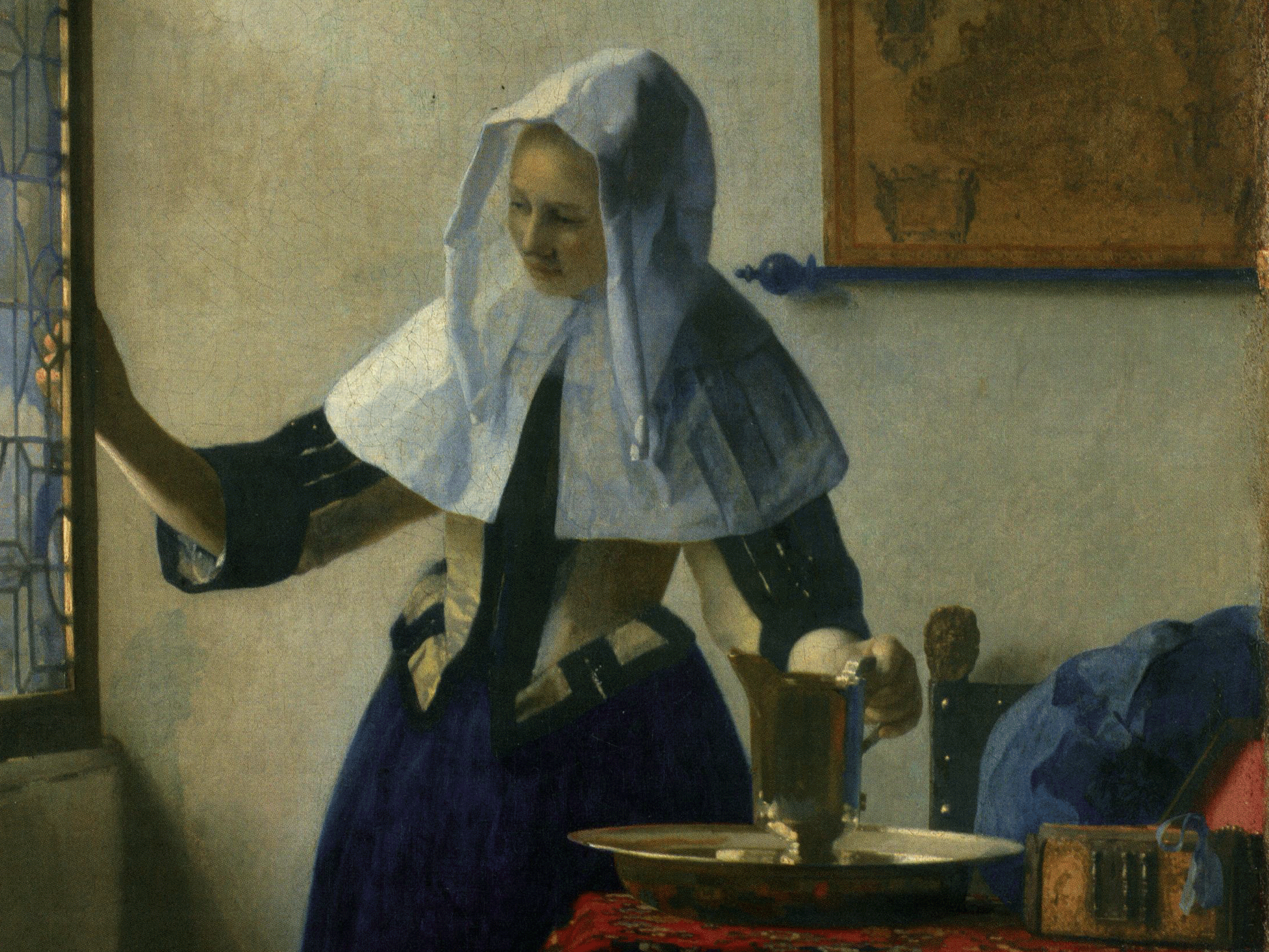
Cosmopolitan yet connected to local issues, Mervyn Wingfield, 7th Viscount Powerscourt played a prominent role in promoting Ireland’s cultural institutions at a pivotal time in their early history, writes Philip McEvansoneya
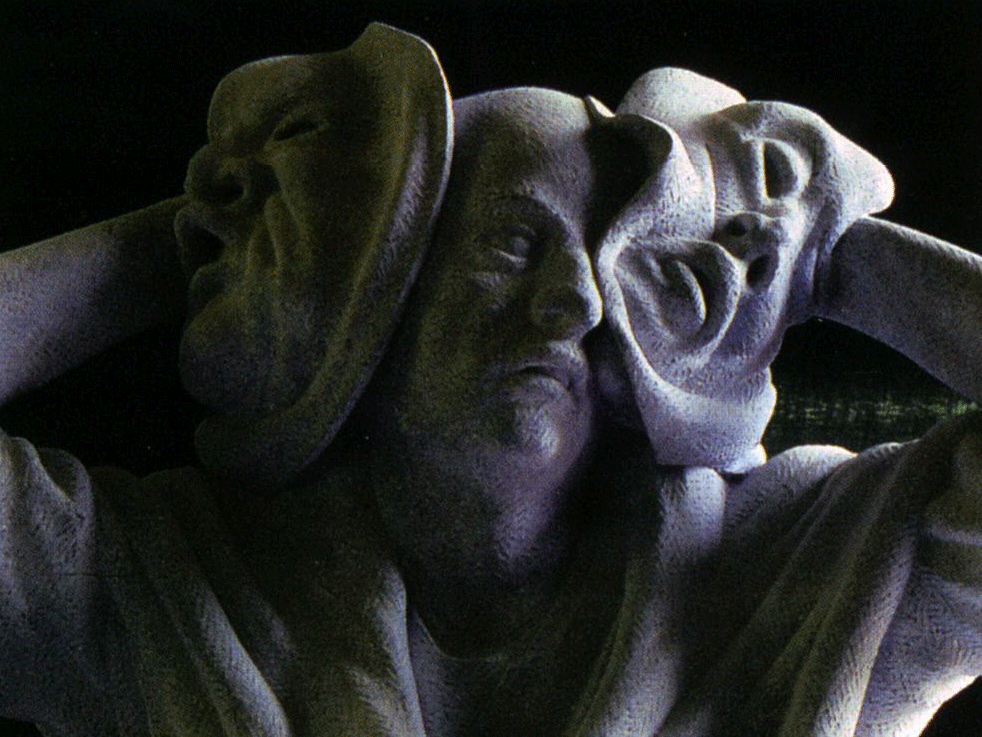
Michael Quane’s sculpture celebrates the ordinary citizen rather than leading political figures, writes Peter Murray in his appraisal of the Cork-born artist