
It is the implication of something beyond a simple landscape that makes Martin Gale’s art so compelling, writes Alison FitzGerald as his exhibition continues at Taylor Galleries, Dublin
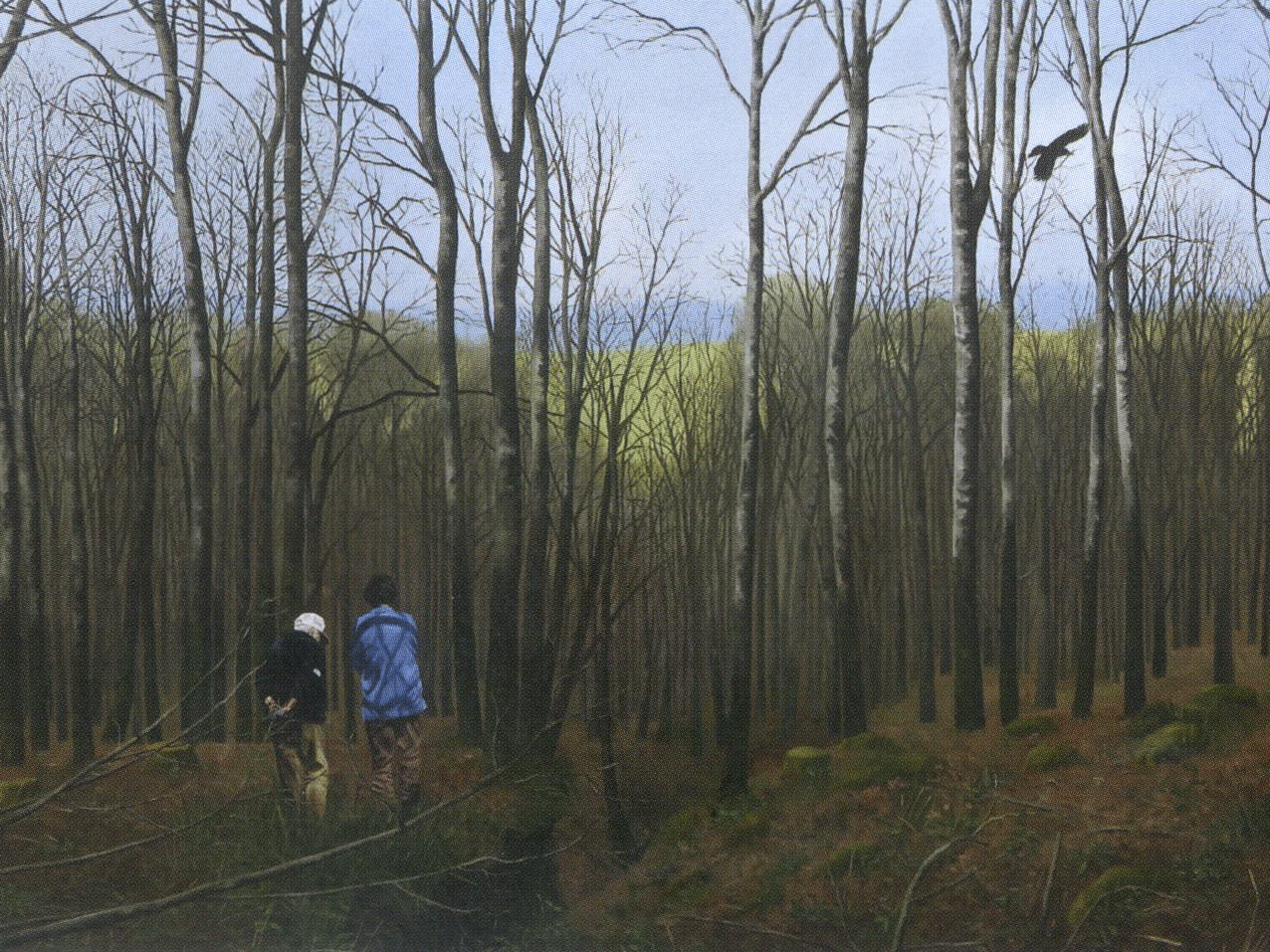
One of the exceptional skills of a great artist is to make the viewer look again, to look closer, to linger, to question. As Seamus Heaney has written of Martin Gale’s paintings, they silence us, ‘they invite us to look twice, then to stand still looking until we begin to wonder if there is such a thing as innocent bystanding. They hold in a single, steady, local focus the reality and anxiety of the times’.1 Just as the Suffolk landscape around Dedham Vale has become known as ‘Constable Country’, after the landscape painter John Constable, so the landscape of the Wicklow-Kildare border has been designated ‘Martin Gale Country’. Having moved to Kildare some years ago, the late Dennis O’Driscoll wrote, ‘I realised that I had entered a familiar place, an abundant space – Martin Gale Country. He had changed my perspective on my surroundings, allowed me to discover a certain straggly beauty even in its most mundane features: the flaking gate, the smouldering farmyard barrel, the rainy rutted lane…had become a figure in a Martin Gale landscape and there was nowhere else I would prefer to be’. 2
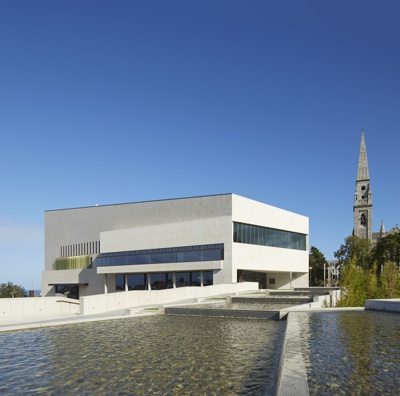
The new Lexicon is a worthy member of Dublin’s distinguished group of public libraires, writes James Howley in his appraisal of the controversial new building.
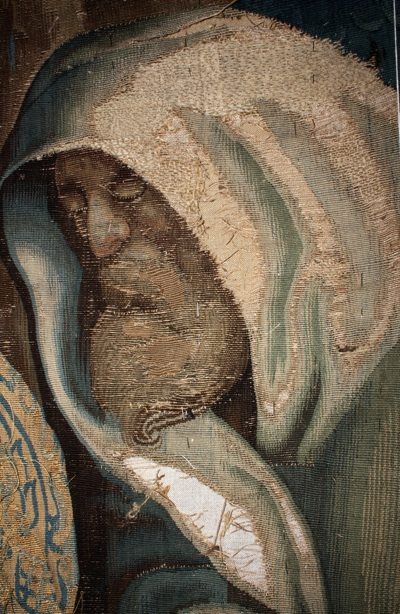
Woven from original designs by Peter Paul Rubens, the Decius Mus tapestries have been reinstalled in Kilkenny Castle following major conservation in Madrid, writes Jane Fenlon
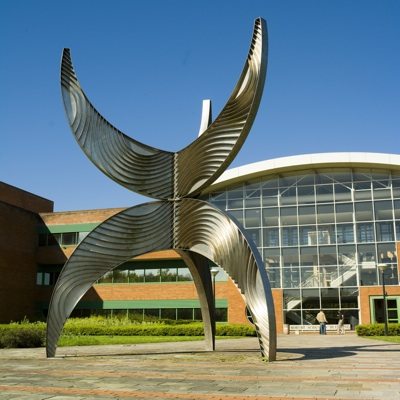
Many principles came into force to guide the shaping of UL’s outdoor sculpture collection, not least the overarching vision of Ed Walsh. Judith Hill gives an insight into its conception