
In addition to creating a likeness of her daughter, Geraldine O’Neill has in mind the age-old interrogation of representation, writes Robert Ballagh of this year’s recipient of the Ireland-U.S. Council/Irish Arts Review Portraiture Award
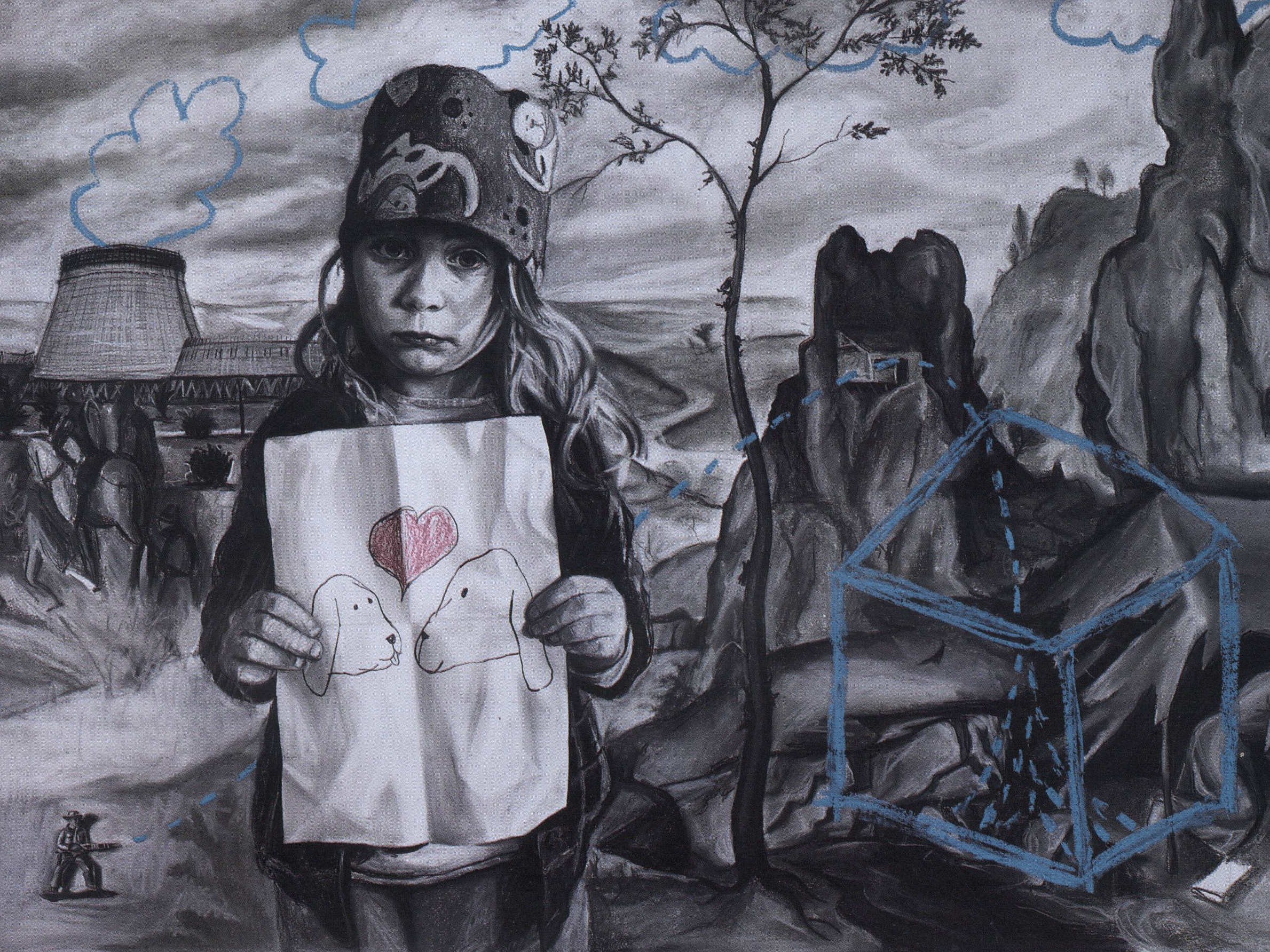
Without question, for most of the 20th century, the painted portrait was judged by many as being almost irrelevant in terms of acceptable art practice, to the extent that its obituary was penned time and time again. With deliberate irony, Blake Morrison wrote, ‘First photography surpassed it, then modernism smashed it to pieces, then abstract expressionism rendered it meaningless and now installation and video art have finished it off.’ Yet the truth is that the death of the painted portrait has been greatly exaggerated. It has not only survived into the 21st century; on the contrary, it has flourished. Nevertheless, it must be admitted that the development of modern art in the early 20th century created a real challenge for the portrait painter, because, once modernism became established as a significant cultural force it quickly embraced a foundational ideology which, like all powerful belief systems, was not content to merely trumpet its own virtues but felt it necessary to demonize previously accepted concepts as heretical. For example, the depiction of a three-dimensional reality on a two-dimensional plane, the stock-in-trade of painters for centuries, was dismissed as hopelessly anachronistic and basically dishonest. Also the historic striving by artists to paint an accurate likeness of a fellow human being was viewed as an unnecessary and pointless exercise.
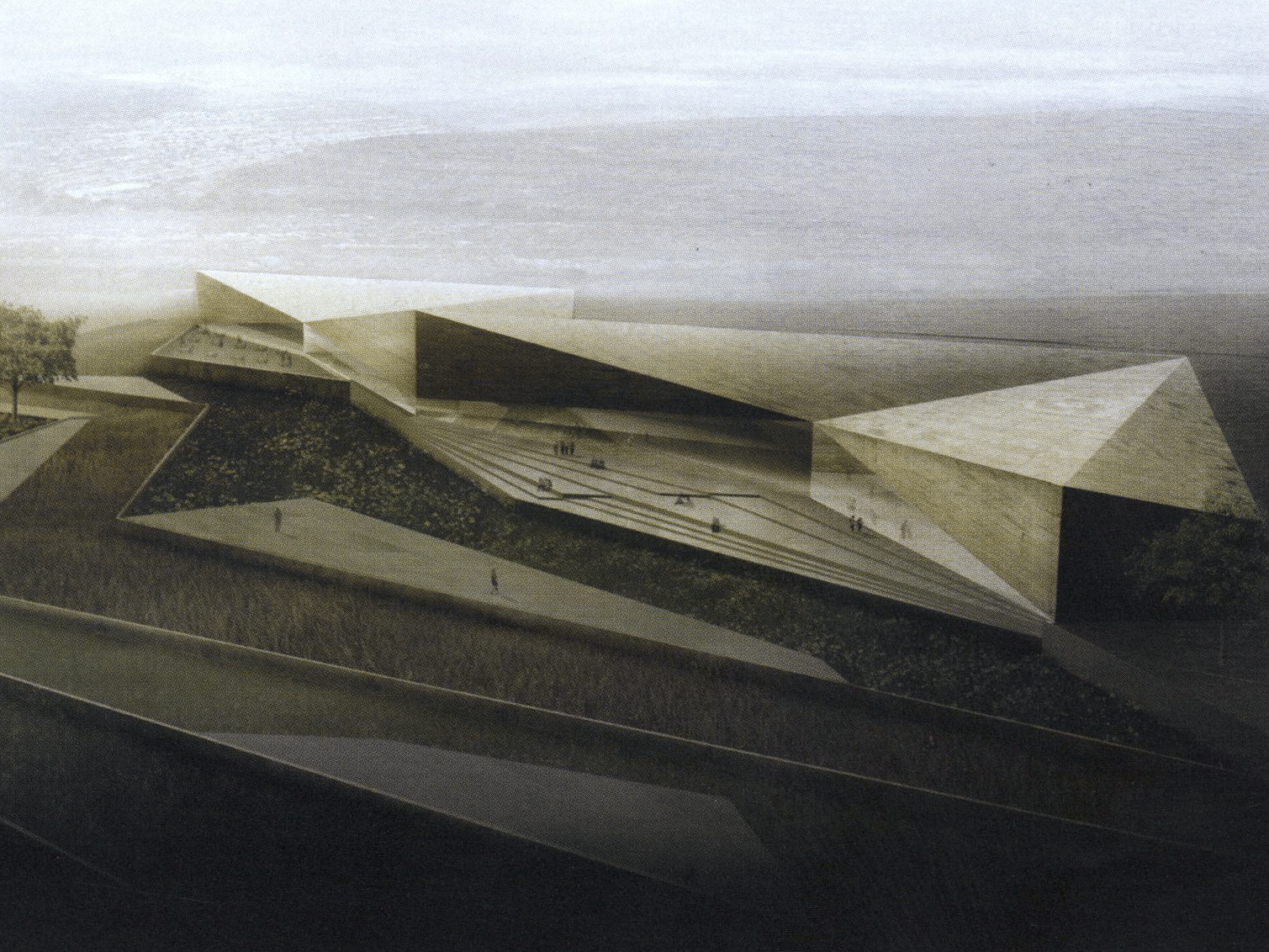
Overcoming the slow down at home, Irish architects Heneghan Peng, Grafton Architects, O’Donnell+Tuomey amongst others have looked to international competitions, but overseas projects are not without risk, writes John McLaughlin
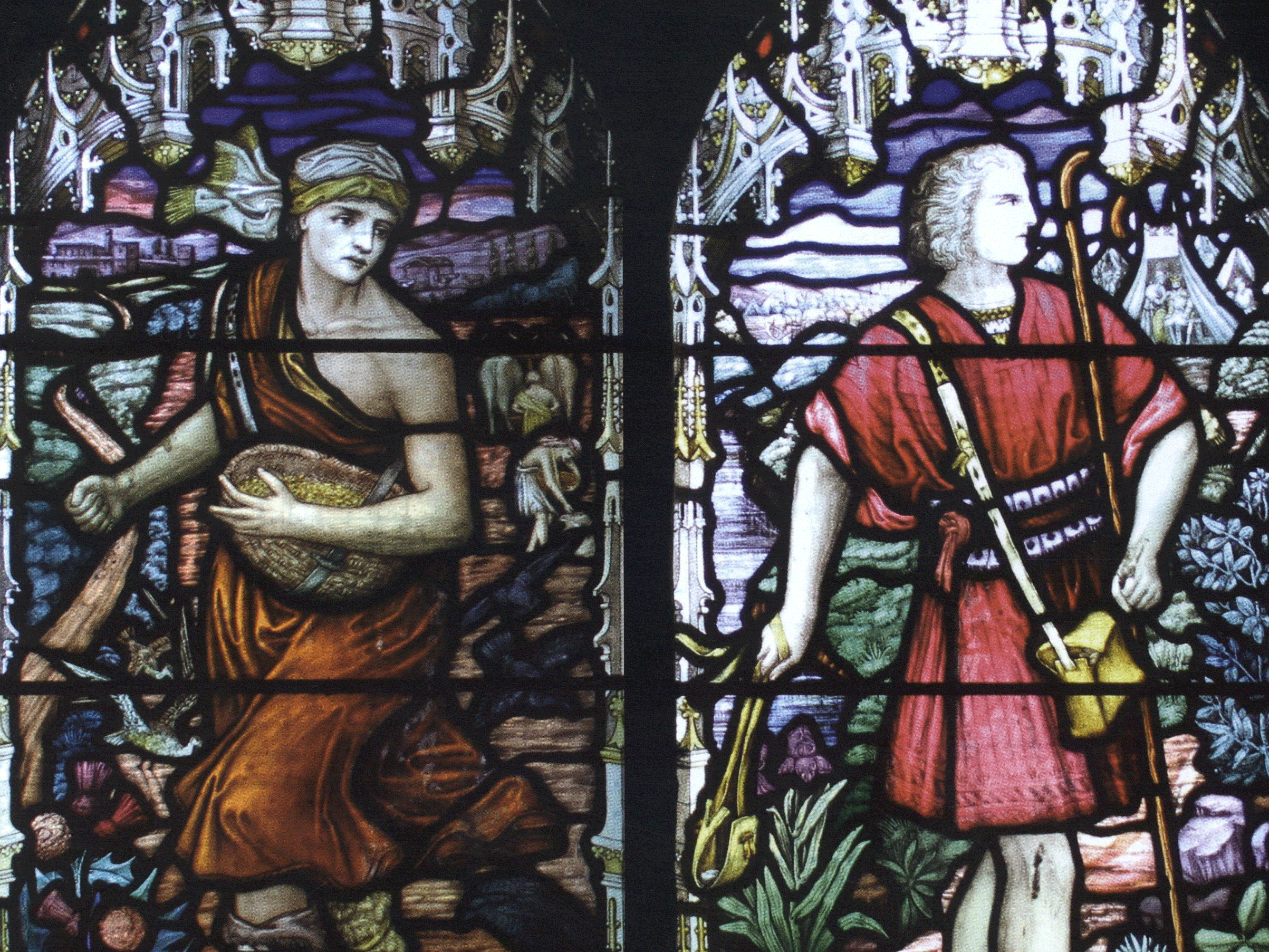
James Watson could trace his family’s artistic lineage to York Minster and following his move to Cork he launched a new tradition to last a hundred years, writes Vera Ryan.
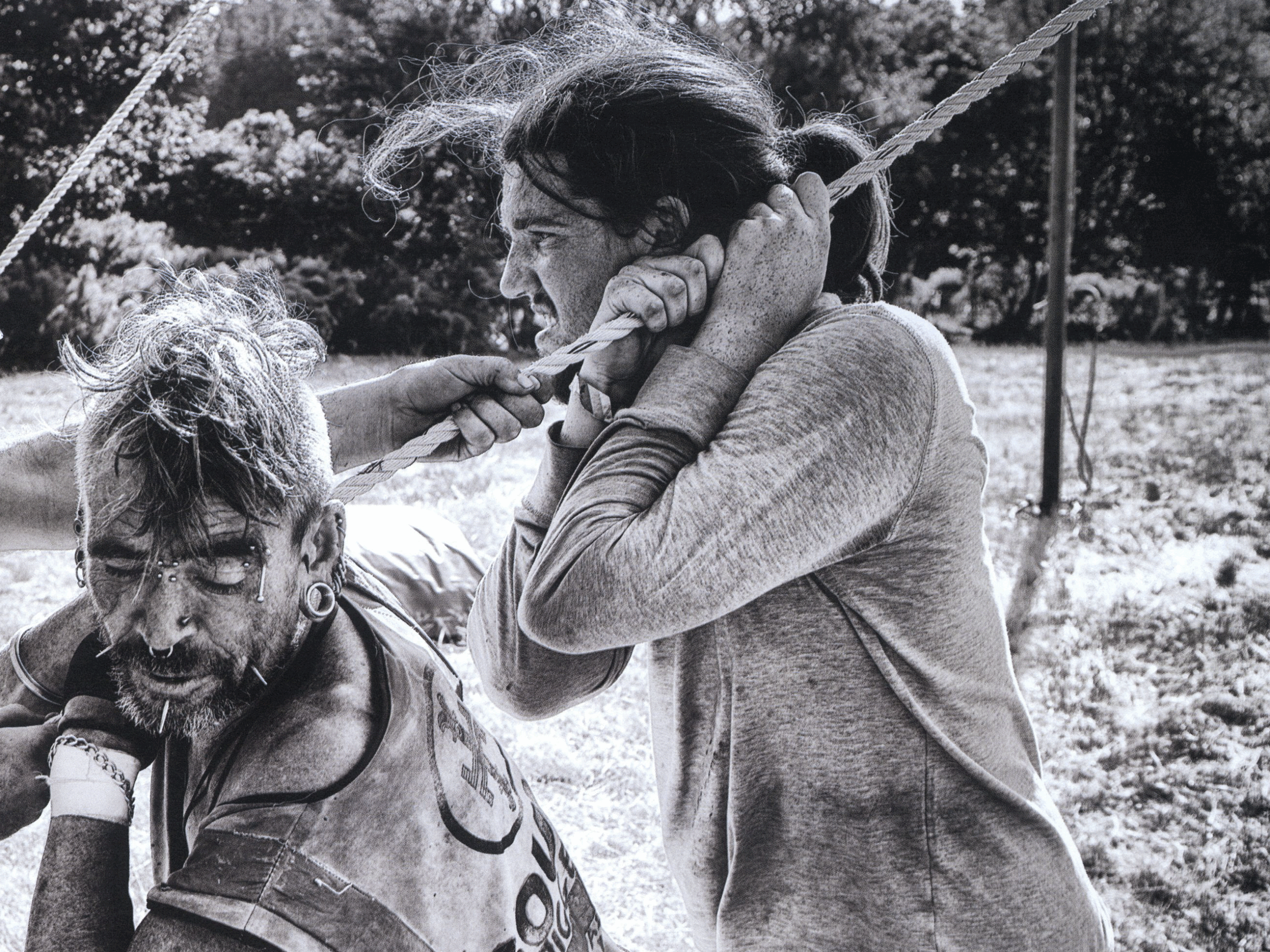
Michael Nolan’s images of a present-day meitheal invoke much older notions of kinship and identity, writes Stephanie McBride of the photographer’s festival sketches.