
Few sites in Ireland are as resonant as Dublin’s GPO, where the new Witness History Centre enriches our understanding of this symbol of nationhood, writes James Howley
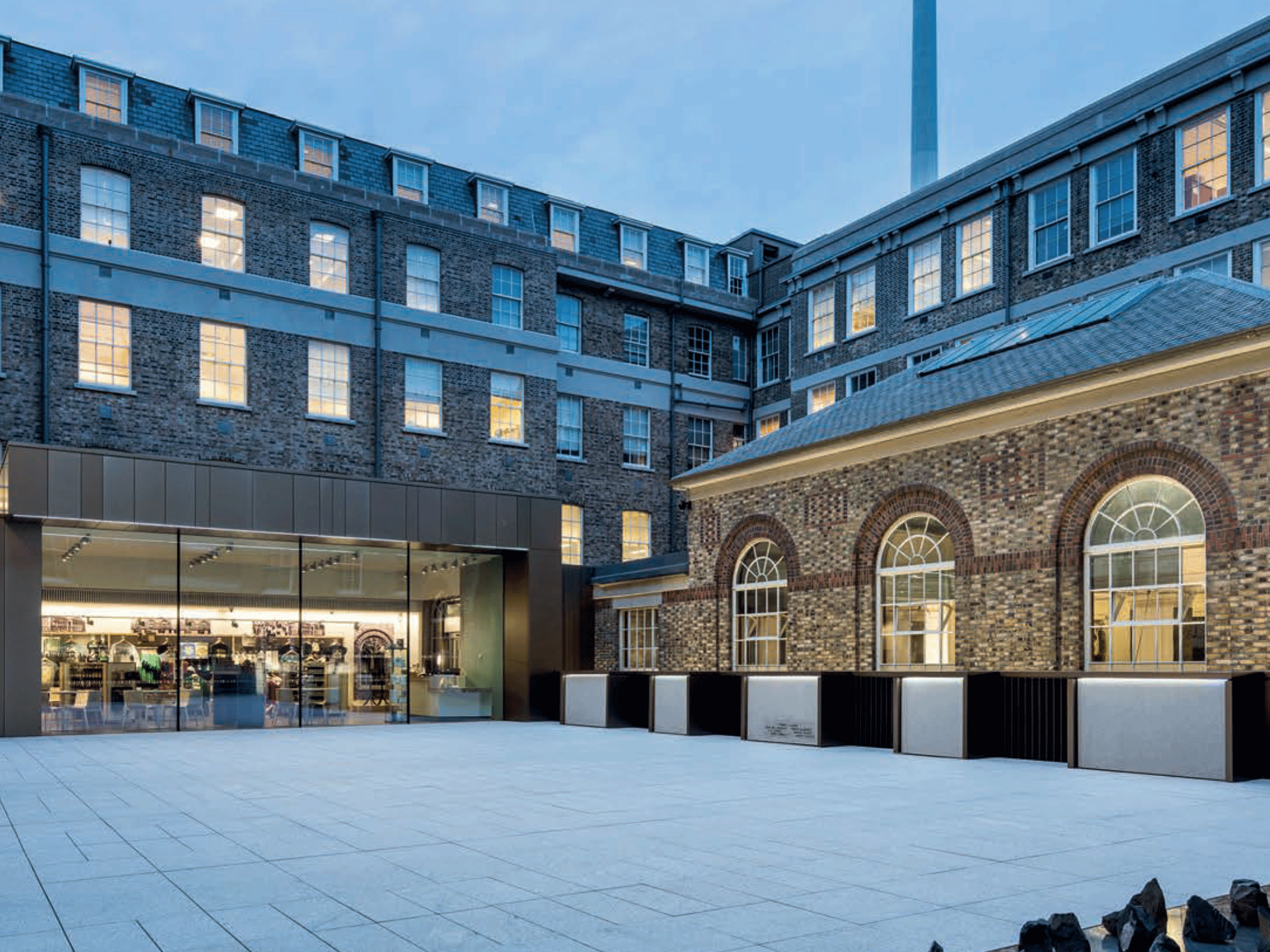
In the effusive language of the Reverend Professor George Newenham Wright – ‘The General Post Office of Dublin is one of the most remarkable edifices in that beautiful city, both for the elegance of its design, and the happy choice of its position.’ The position in question being the west side of Sackville Street, which according to Wright was – ‘the noblest cityavenue in Europe’. When the smoke cleared and the dust settled in Ireland after a period of six years that saw a war of independence followed by a civil war, three of the finest pubic buildings in Dublin, including the GPO, had been reduced to ruins. It is to the credit of the first Free State Government that all three of these important symbols of British rule were restored and reused for the purposes for which they were originally intended. While the Four Courts and the Custom House, are perhaps finer buildings that command long and more impressive riverine vistas, the General Post Office, on O’Connell Street, formerly Sackville Street has a richer hisrory. Having been selected and occupied as the headquarters of the rebel leaders during the Easter Rising of 1916 and the place where the Proclamation of Independence was first read in public, the building has become a symbol of Irish identity that only the Hill of Tara can equal.
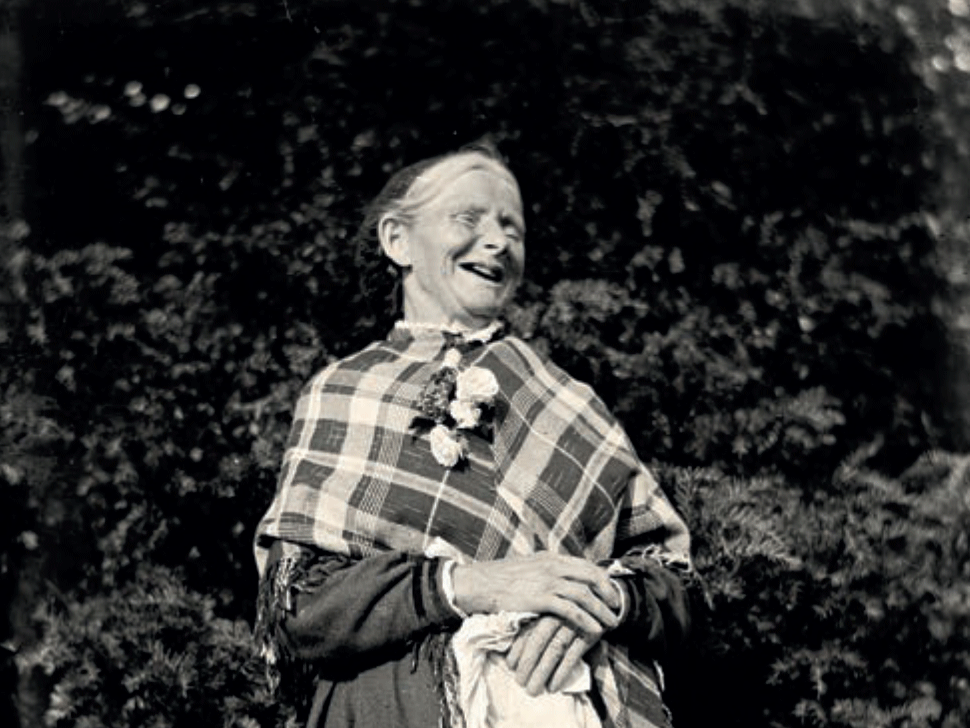
In recording the traditional attire of female estate workers, Augusta Caroline Dillon of Clonbrock House, Co Galway, seemed presciently aware that her images would become historical document, writes Christiaan Corlett.
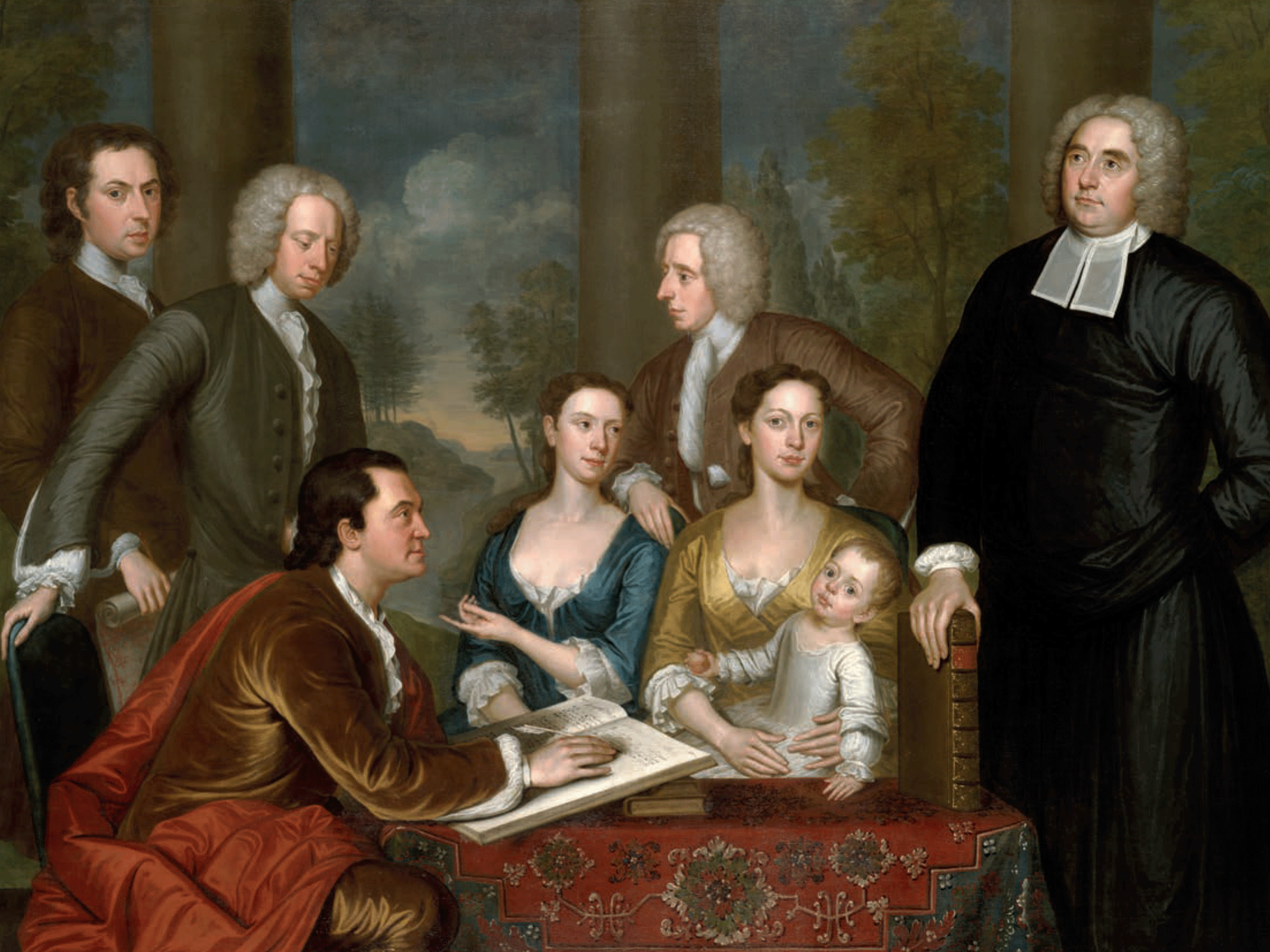
George Berkeley is famous for his contribution to philosophical thought, but less well known for his observations on art, some of which Peter Murray examines here.

Richard Gorman is marking his 70th year with an exhibition at Castletown, Co Kildare where his colourful abstracts animate the walls of its classical interior, writes Jennifer Goff.