
A visit by Lady Caroline Lamb to Kilkenny and Lismore in 1812
Brought to Ireland to gain distance from Byron, Lady Caroline Lamb instead found inspiration for her novel’s central character based on the poet. Two hundred years later, Peter Murray recalls the historic visit
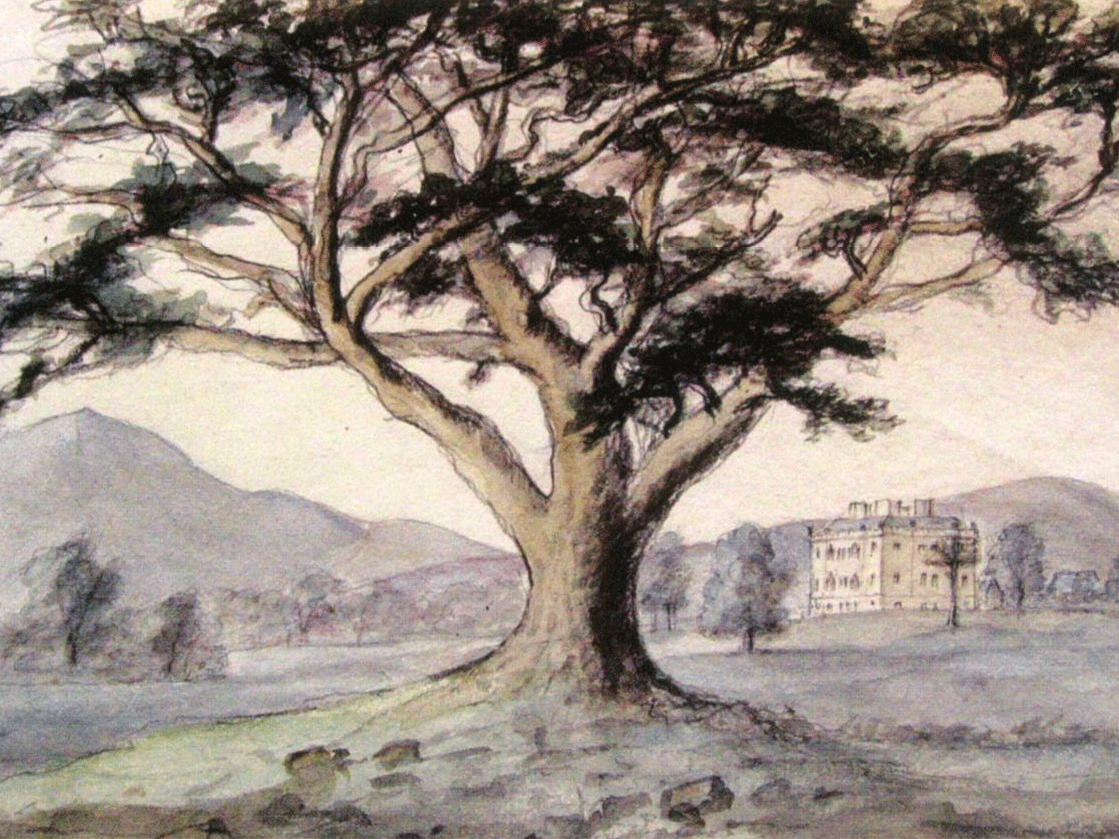
Fleeing from her tragic love affair with Lord Byron whom she accurately described as ‘mad, bad and dangerous to know’, and also fleeing from conservative London society, in September 1812 Lady Caroline Lamb sought refuge in Ireland. Accompanied by her husband William Lamb and by her parents, Frederick and Henrietta Ponsonby, the Earl and Countess of Bessborough, ‘Caro’, as she was known (Fig 1), stayed for a short time at Kilkenny, before travelling on to Lismore Castle, where she and her husband William were guests of Marquess of Hartington. Indeed Hartington (‘Hart’ the familiar term used by his family) had probably travelled with the group to Ireland, and this was one of his earliest visits to Lismore Castle, a part of the Devonshire estates since the marriage of the Duke of Devonshire to Charlotte Boyle in the mid 18th century. The Ponsonby party also visited Wicklow and Dublin, before returning to London in early November.
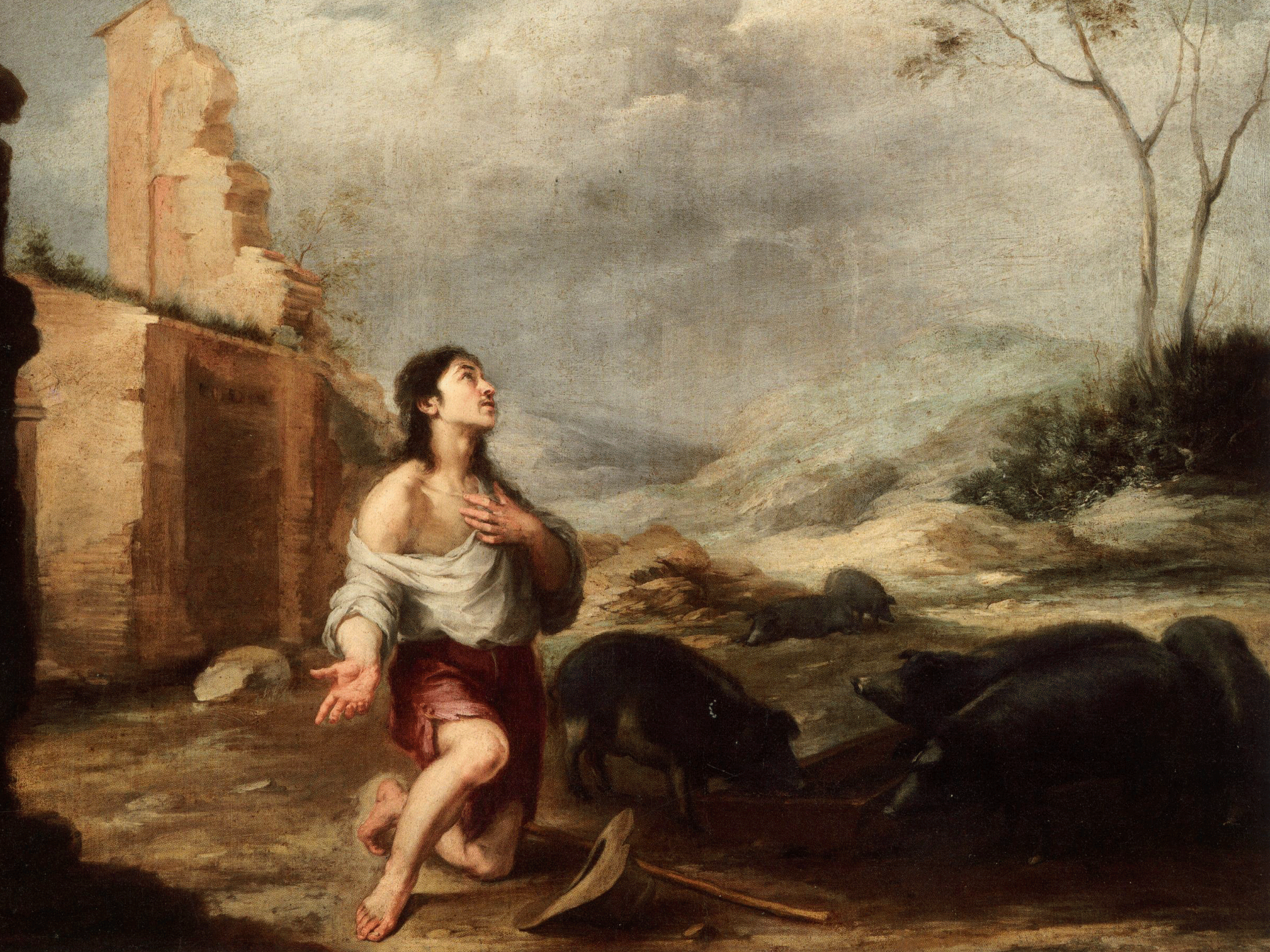
Muirne Lydon reveals the original brilliance of Murillo’s Prodigal Son as degraded varnish and old restorations are painstakingly removed from the 17th-century series at the National Gallery of Ireland
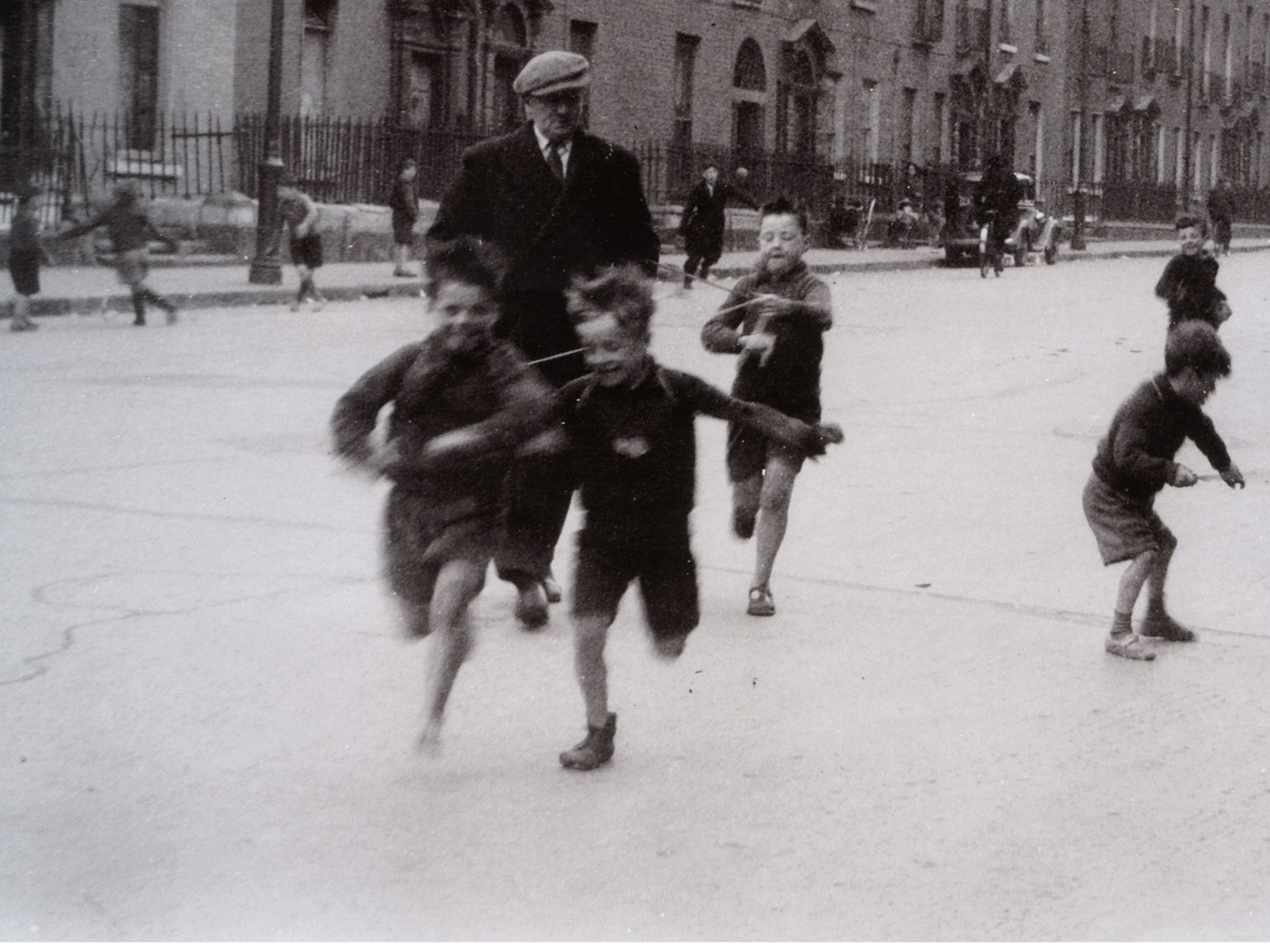
Using a selection of germane quotations Rolf Loeber recalls his mentor, the late Maurice Craig; their literary exchange taking the form of a tete-a-tete.
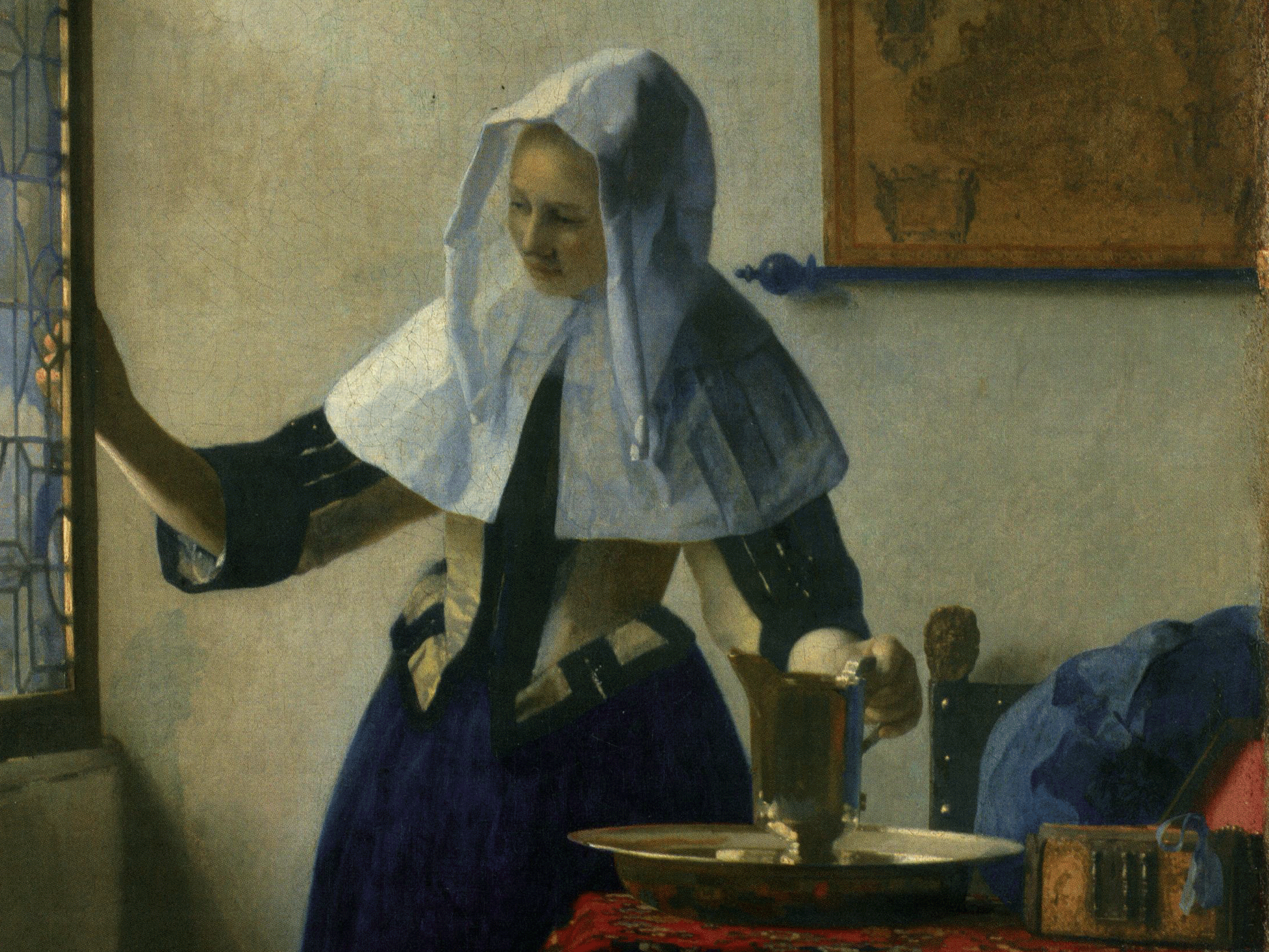
Cosmopolitan yet connected to local issues, Mervyn Wingfield, 7th Viscount Powerscourt played a prominent role in promoting Ireland’s cultural institutions at a pivotal time in their early history, writes Philip McEvansoneya