
Terence Reeves-Smyth explores the quiet charm of Benvarden, an early 19th-century house in north County Antrim
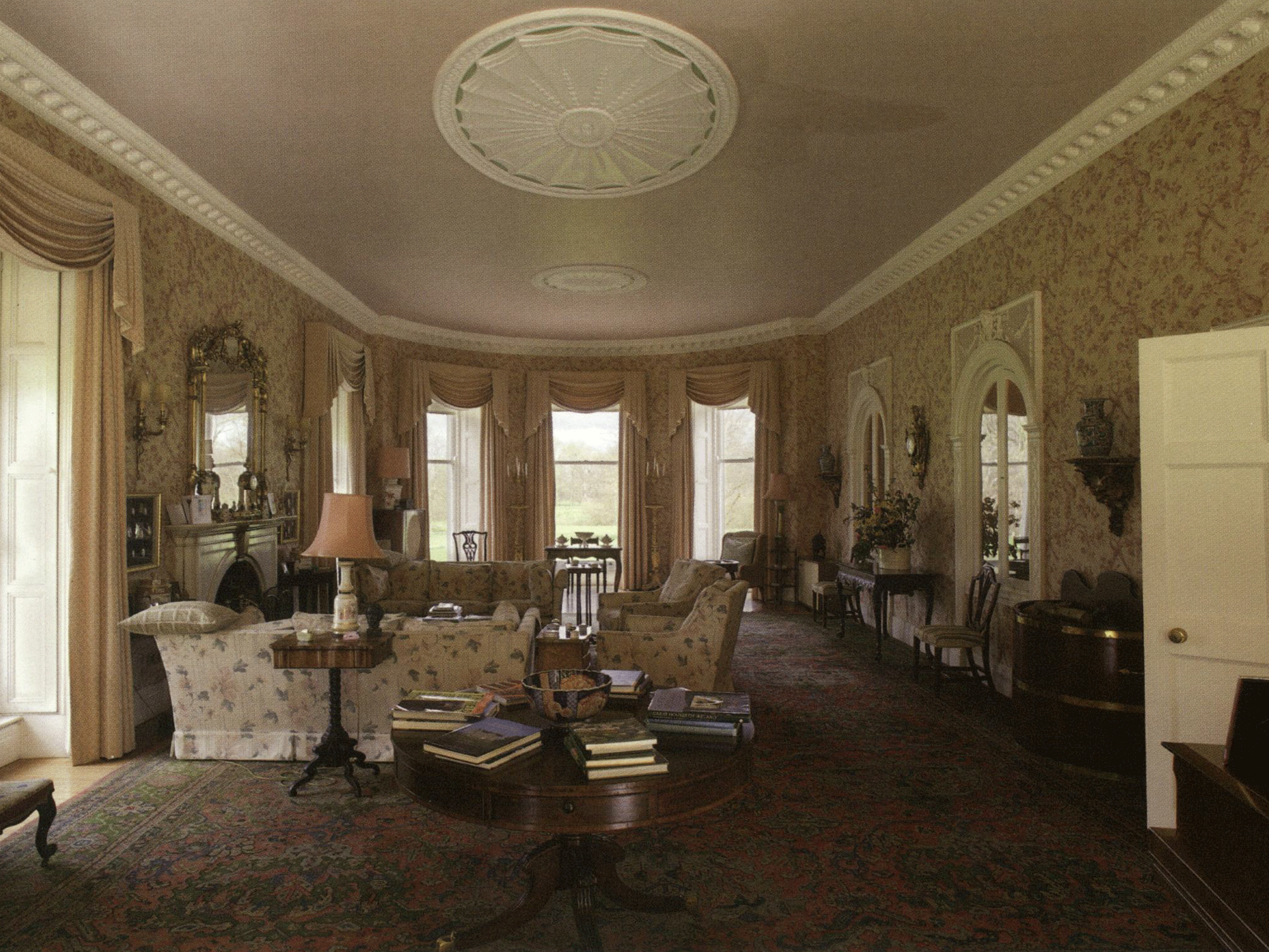
For three days in September 1830 the Viceroy and his Vicereine were hosted by the Montgomery family at Benvarden, their home near Ballymoney. Completed twenty-five years previously on the banks of the river Bush, Benvarden had been designed to accommodate guests, but this was no ordinary house party. The visitors arrived with a large entourage, including a bishop, an archdeacon, a general and a large team of servants. Among them were two ‘immensely tall large Northumberland Yeomen’ who were dressed in short black jackets, buckskin breeches, enormous boots and ‘leather belts in which were hung pistols and powder horns round them’. To add to the glamour the Viceroy himself ‘wore the blue ribbon always, and at dinner the Star and Garter, which charmed the children’. After three days of ‘extraordinary bustle and exertion’ the visitors left and the exhausted hostess, Jane Montgomery, confided how she had ‘made up thirty beds, and had a household of fifty souls, and did not require to borrow or buy one article’. Her pride was undoubtedly justified, but for her family, who were parvenu Belfast bankers, the visit must have symbolized their social acceptance into county society.
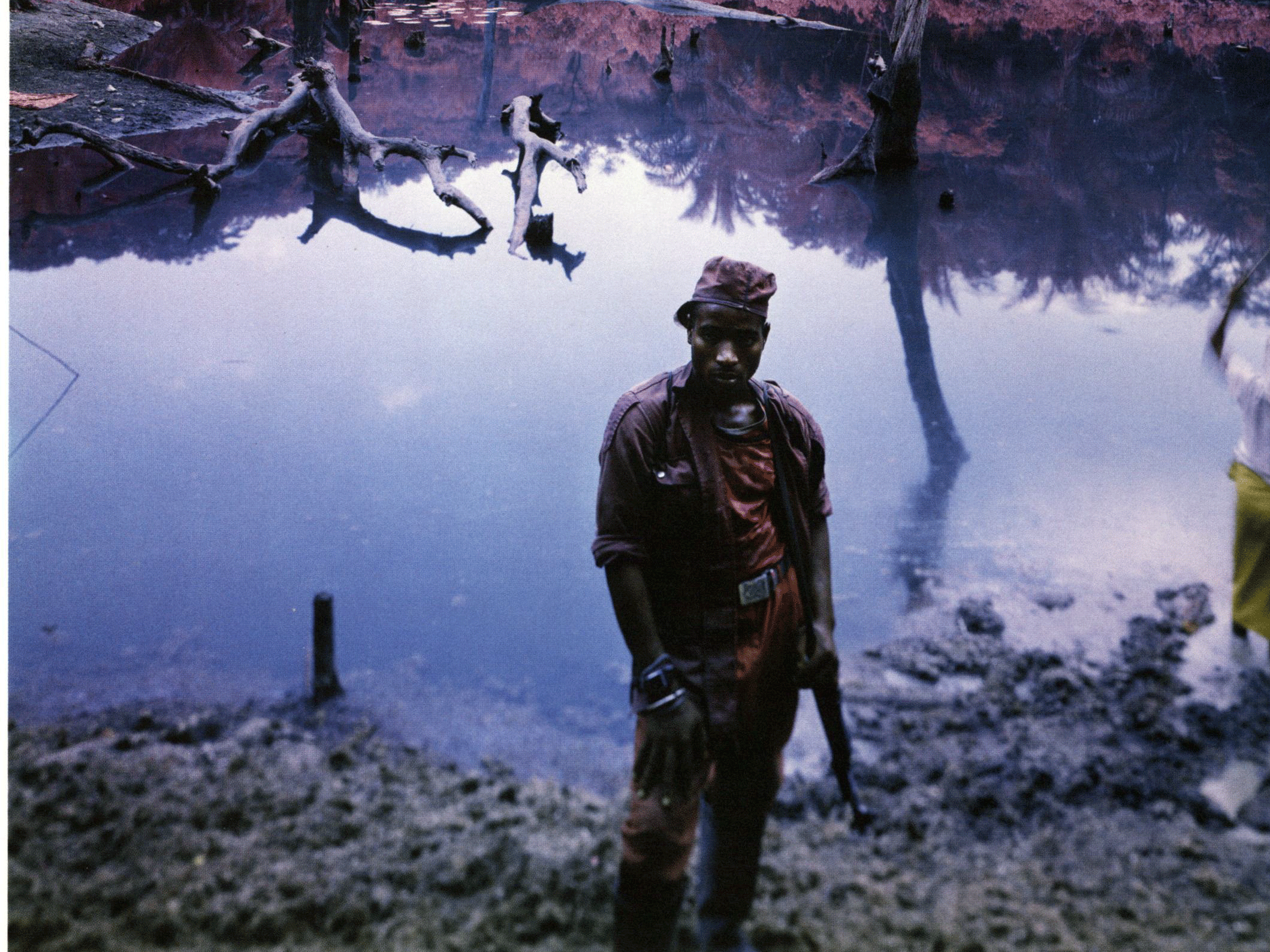
Stephanie McBride examines the startling imagery of Richard Mosse who has made infrared film his signature medium
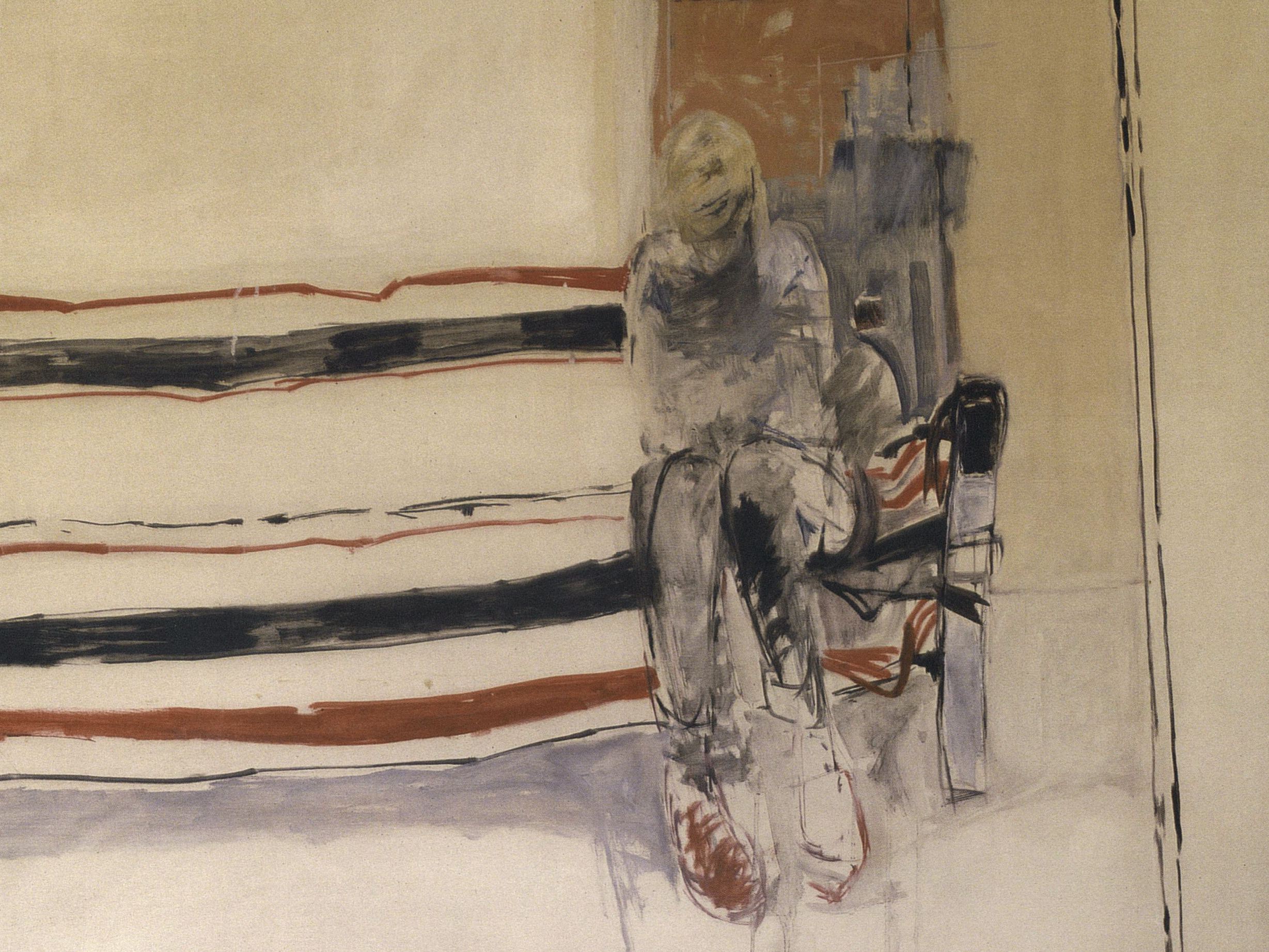
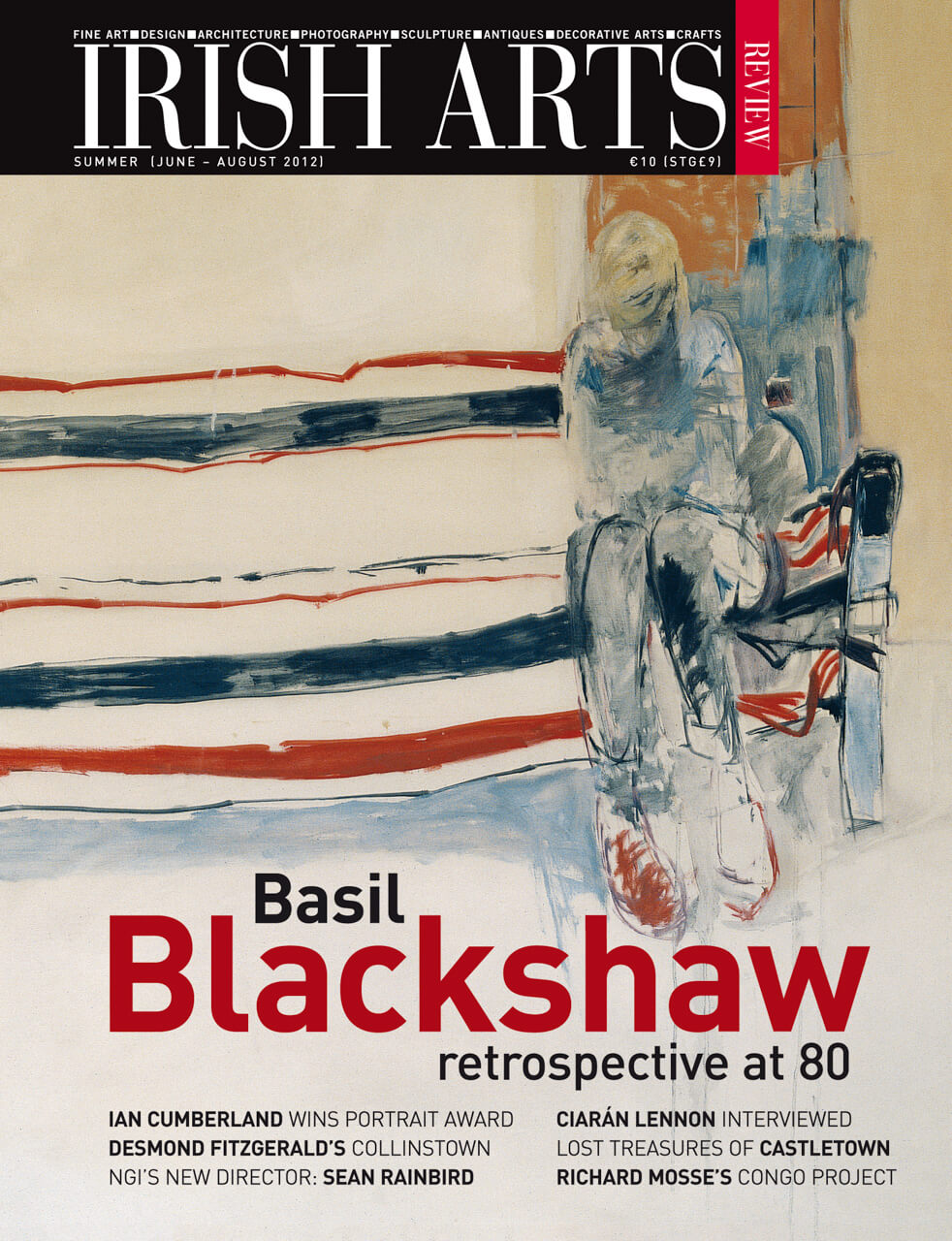
From a rural setting in County Antrim, Basil Blackshaw has contributed a new chapter to the story of Irish art, writes Brian Fallon as the retrospective at the F E McWilliam Gallery marking Blackshaw’s 80th birthday continues.
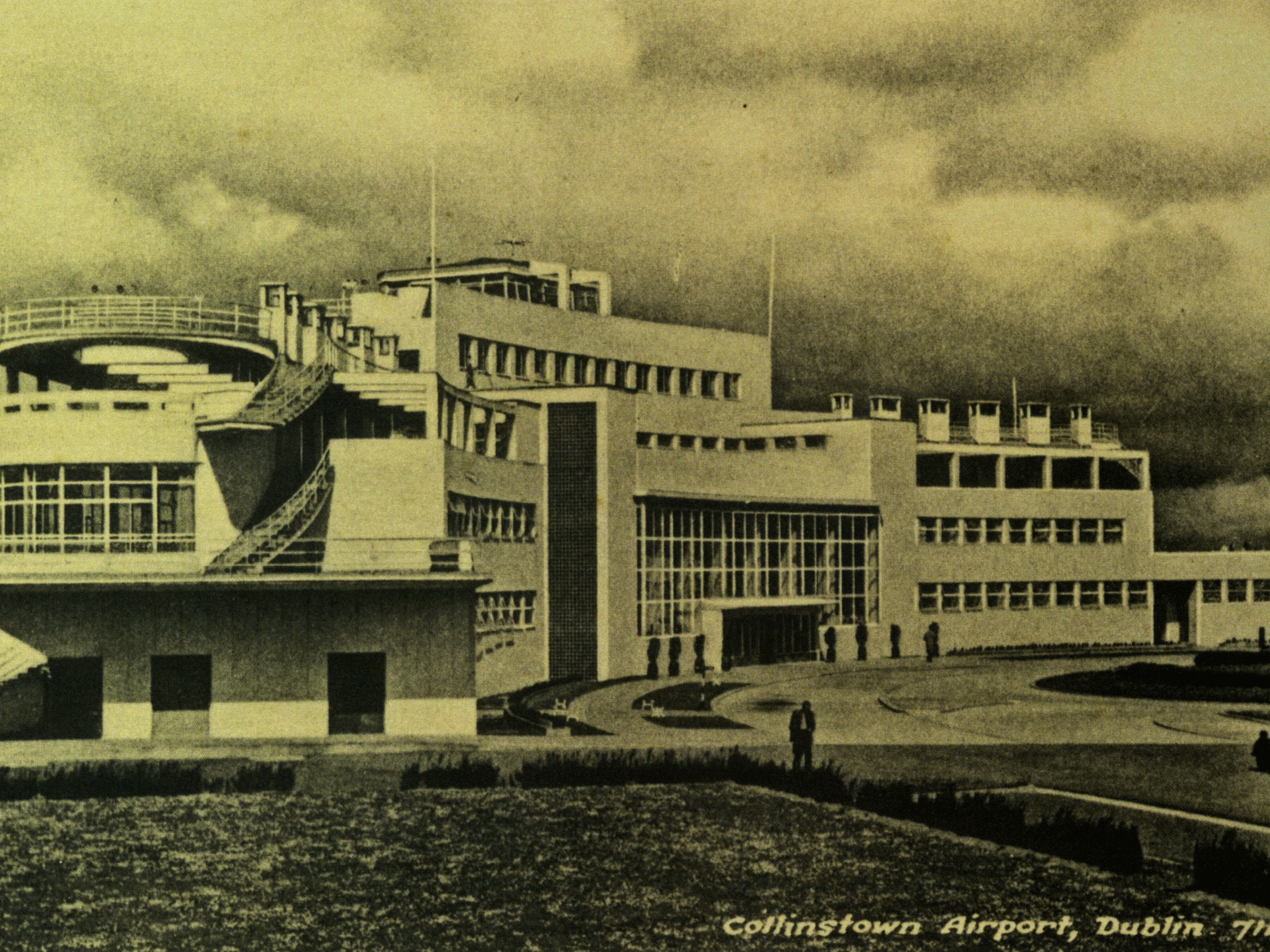
Frederick O’Dwyer follows the evidence to unearth the design sources for Dublin Airport’s original terminal at Collinstown