Francis Halsall details how Paul McKinley’s paintings have a tactile as well as a visual register that can pull the viewer close to their complex surfaces
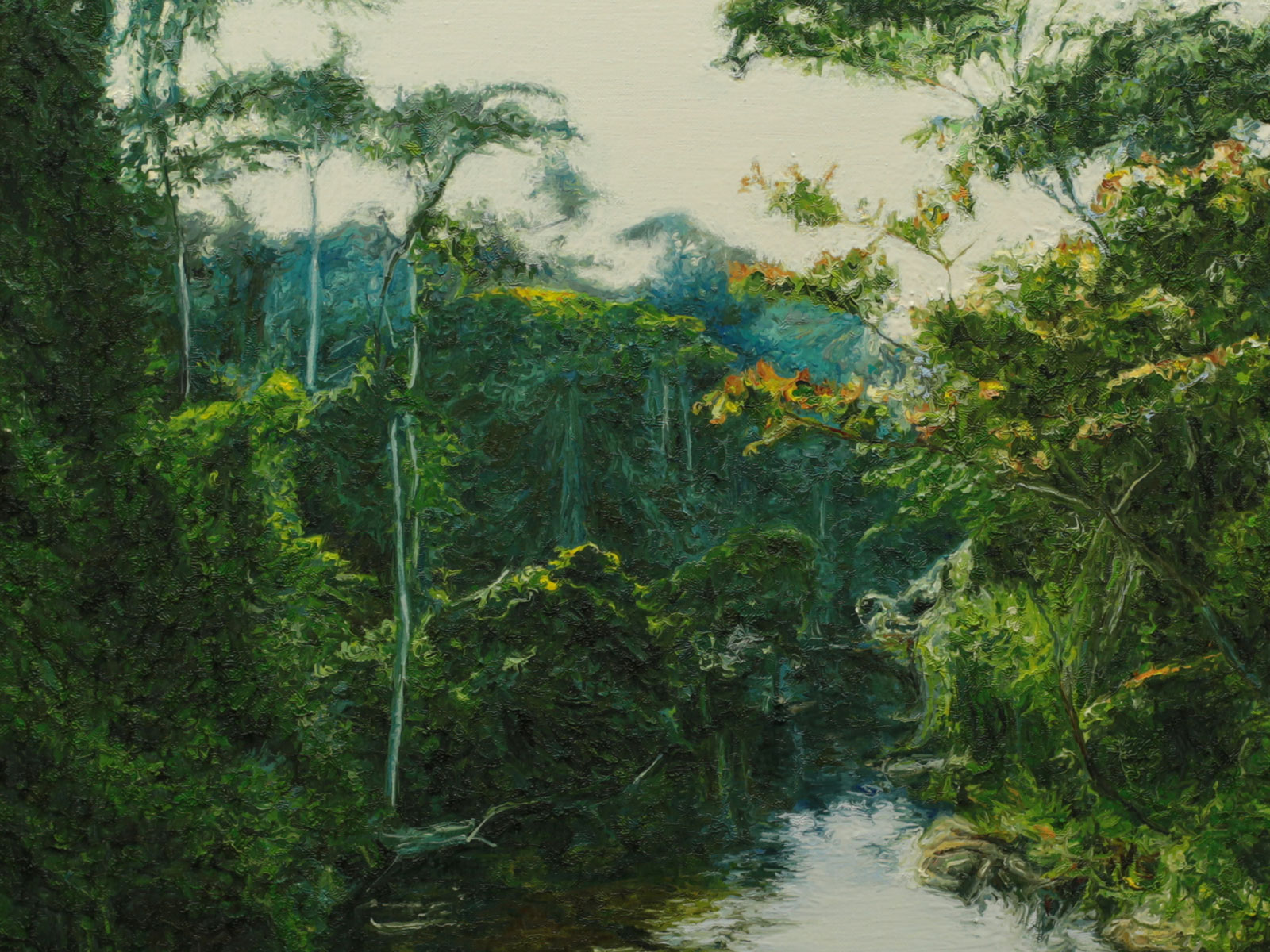
Arguably the painter Paul McKinley doesn’t make things easy for himself, or his audience. His exquisite landscapes, painted in his characteristic meticulous, figurative style, could have been drawn from the picturesque and familiar landscapes within easy reach of his studio in north inner-city Dublin. He might also have chosen superficially pretty vistas as a means of demonstrating his technical mastery of naturalism. Yet for the last twenty years he has been drawn to depicting landscapes far away from his day-to-day life, suffused with trauma and human suffering, including in Afghanistan, Rwanda, Sri Lanka, Greece and the Democratic Republic of the Congo (DRC). His recent body of work is called ‘Ag Tochailt’ (‘Digging’). This alludes to the Casement Report (1904), written by Irish nationalist and activist Roger Casement, which described abuses in the Congo Free State, then privately owned by Leopold II of Belgium. ‘All my work is conceptually bound up in a theme,’ McKinley said during a recent studio visit, ‘and that theme is how to represent injustice. It is usually a world event that motivates me.’
To read this article in full, subscribe or buy this edition of the Irish Arts Review
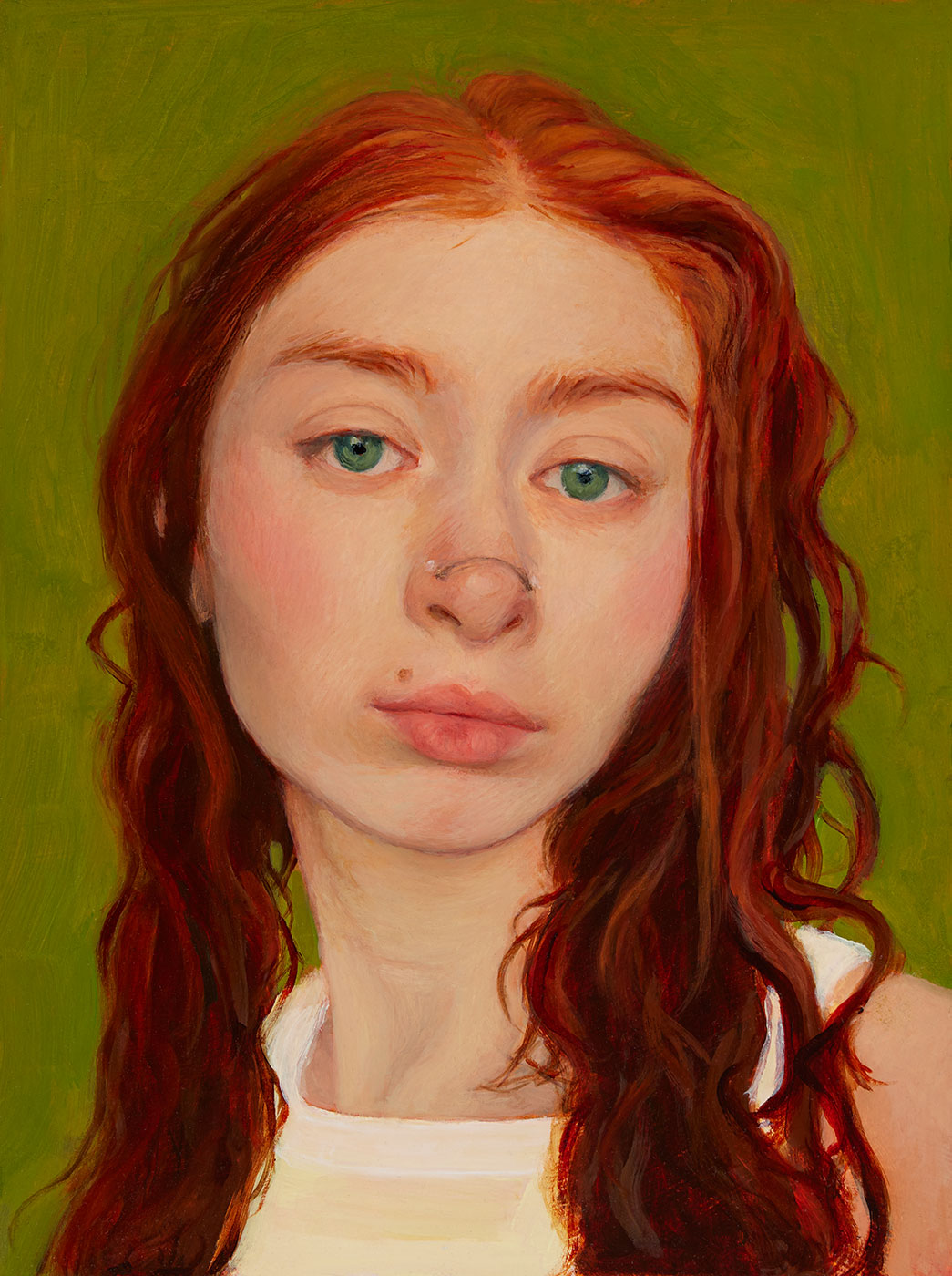
Artist Oliver Murphy’s interest in portraiture developed out of his deep fascination with faces, writes Róisín Kennedy
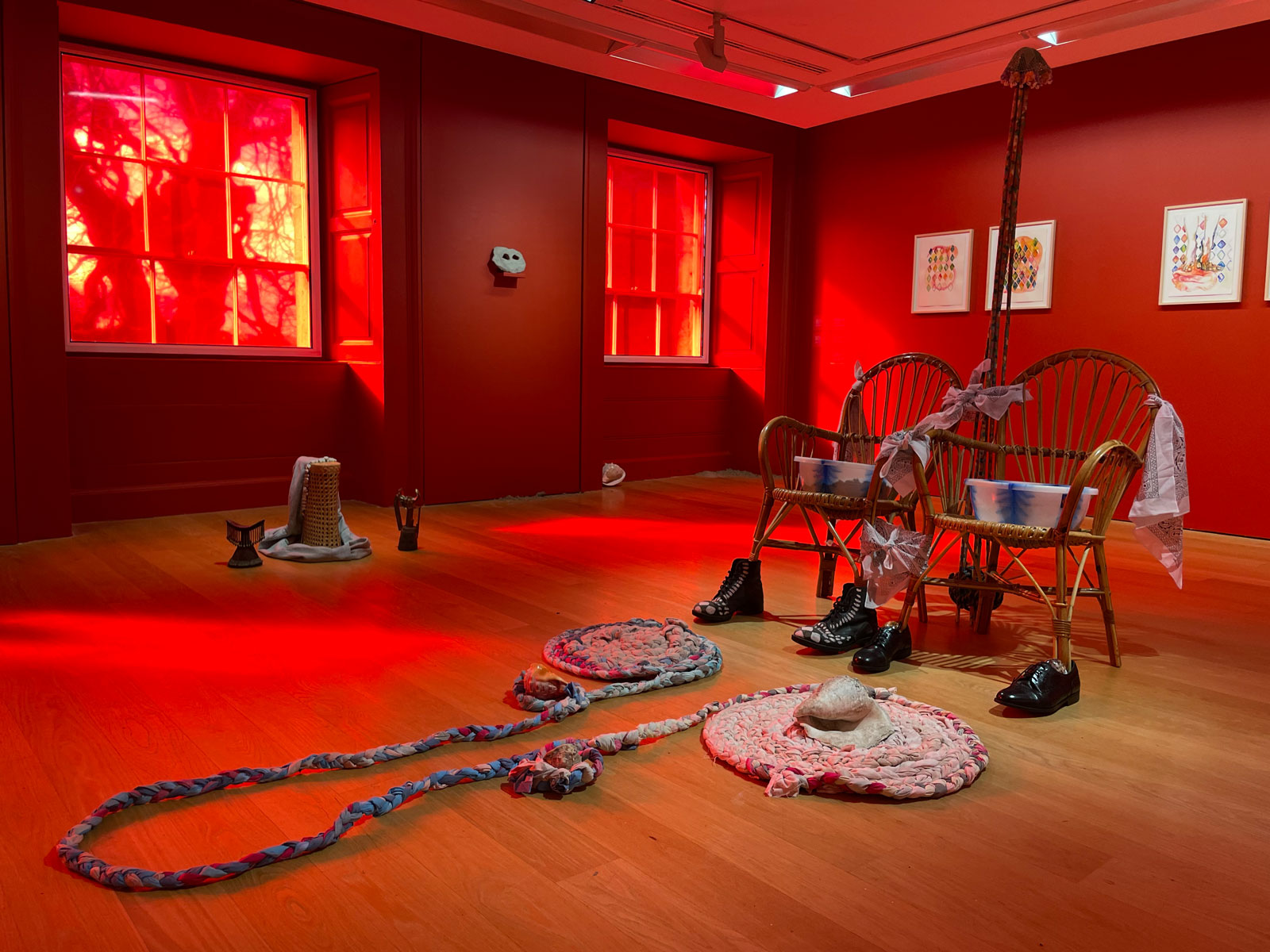
In IMMA’s exhibition of works by Camille Souter and Alberta Whittle, Sarah Kelleher finds a current of joy running through both artists’ practices
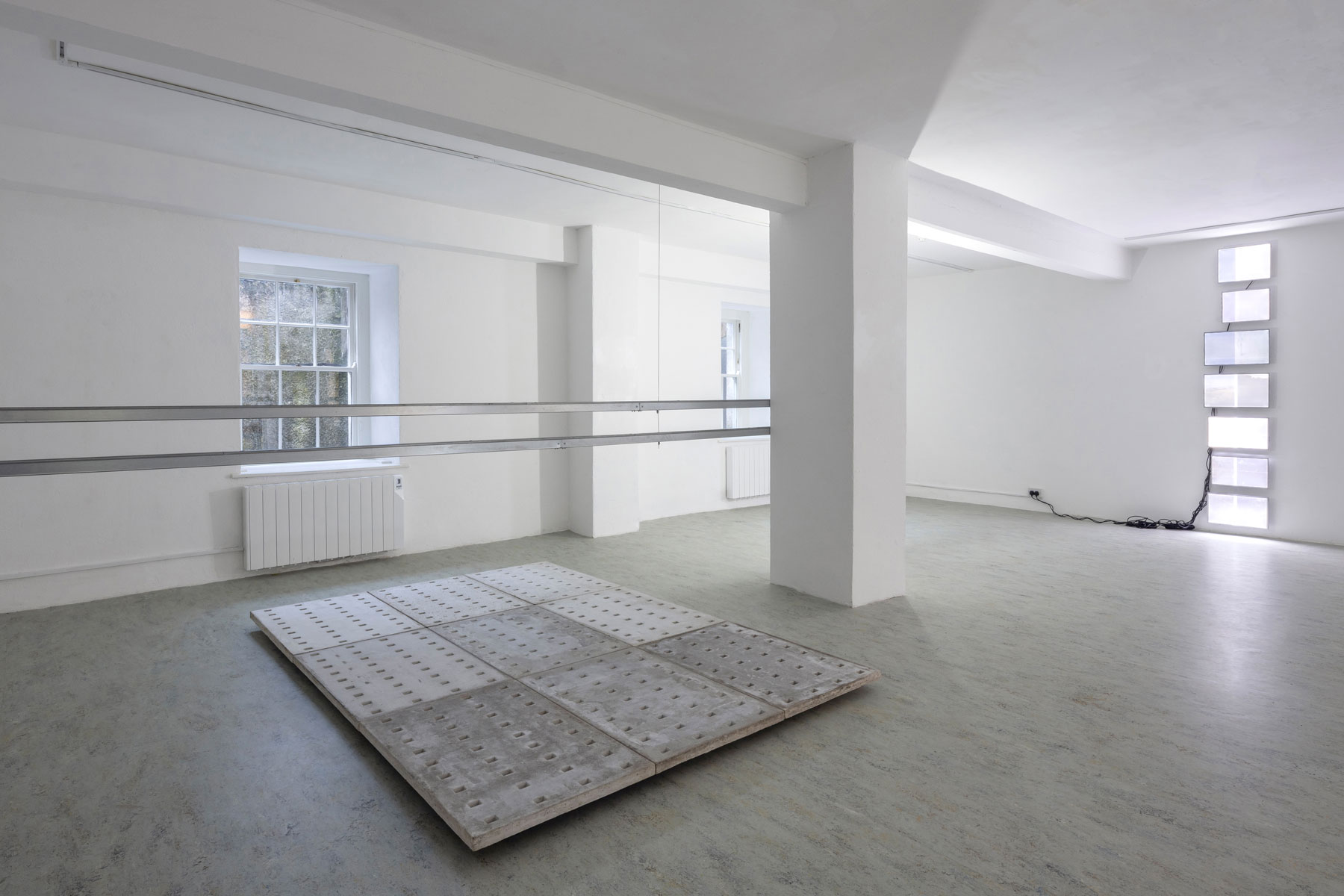
John Rainey appraises the varied sculptural practice of artist Blaine O’Donnell