
Aidan Dunne considers the interdisciplinary work in Maïa Nunes’ recent exhibition
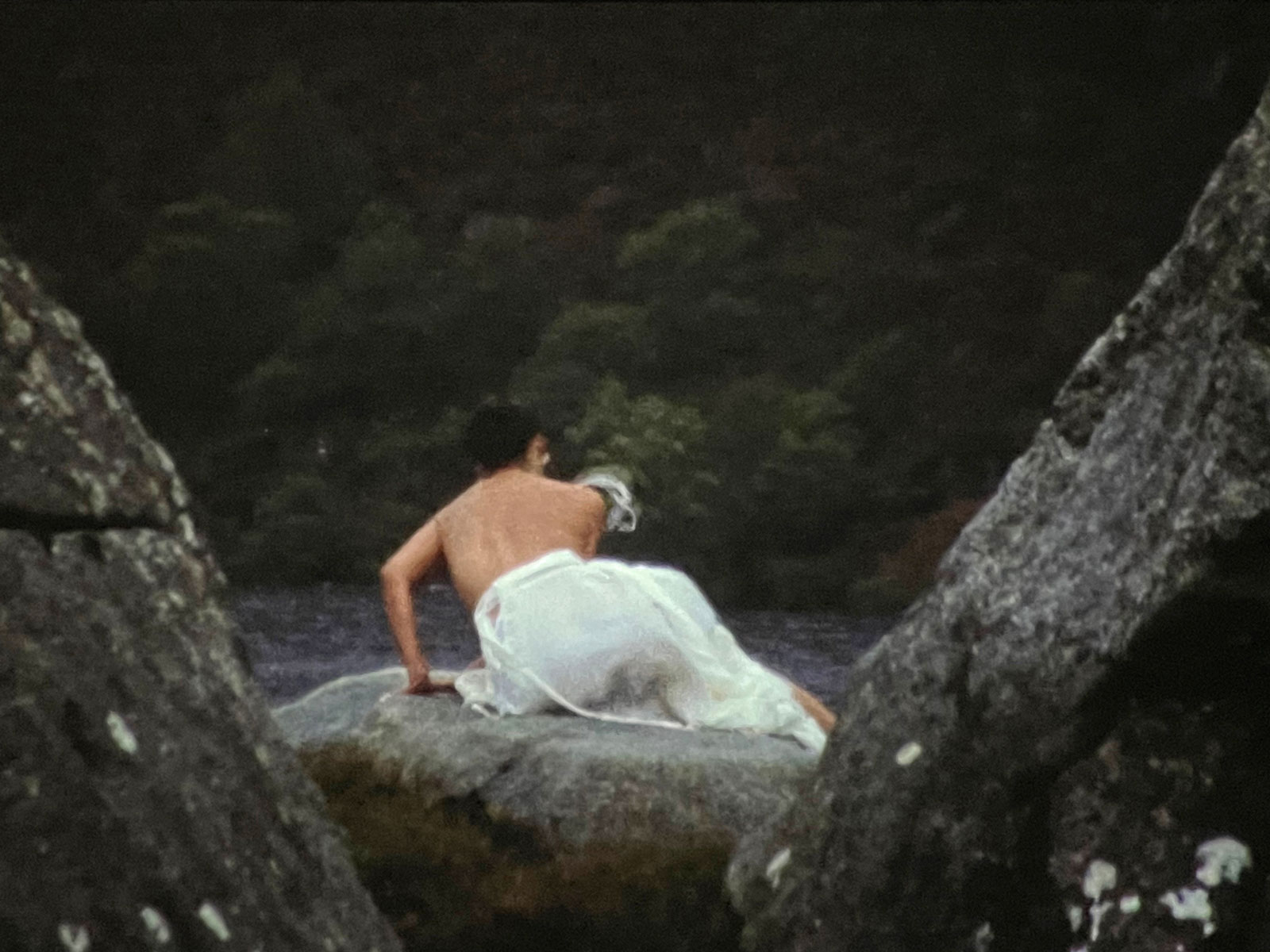
At the heart of Maïa Nunes’ Lake Burst is the timeless subject of a figure in the landscape. Her project is avowedly autobiographical and the figure is her, while the landscape is one familiar to her from her teens and close to her heart. That in itself is interesting, because it’s a tough, unpicturesque environment, its appeal not immediately apparent.
Amazingly close to the sprawl of Dublin City, a spacious, upland heather desert spreads out into Wicklow. It’s a world domesticated to some extent – witness Glendalough’s popularity with tourists. But Nunes’ preferred locale, Lough Bray Upper and Lower and their surrounding terrain, tucked against the eastern flank of Kippure at the head of Glencree Valley, is stubbornly resistant to such packaging. Nunes uses the Irish Bré rather than Bray. Bré was the old name for the Dargle and the upper lake feeds a tributary of that river.
To read this article in full, subscribe or buy this edition of the Irish Arts Review
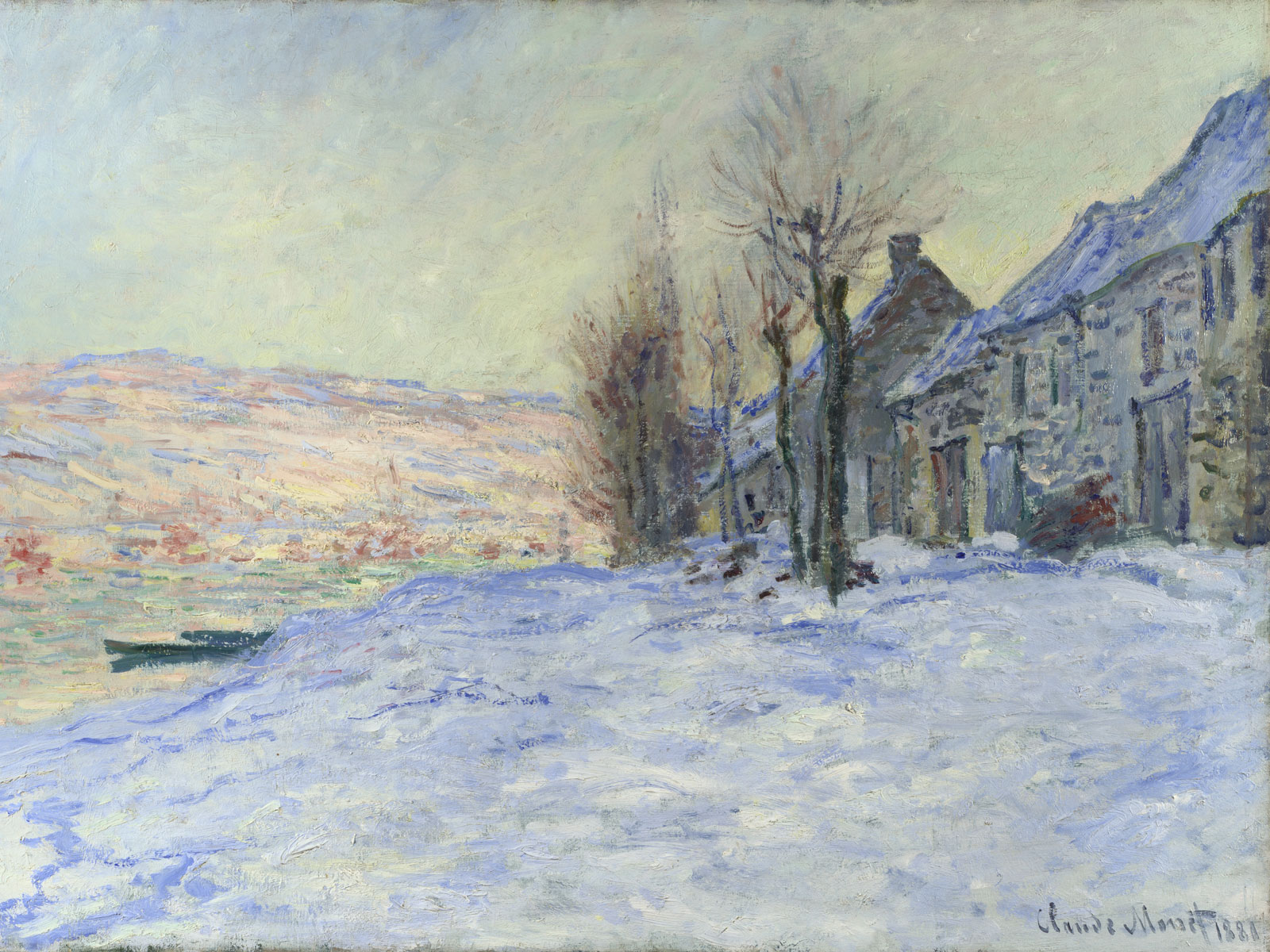
Barbara Dawson selects Lavacourt under Snow by Claude Monet (1840–1926)
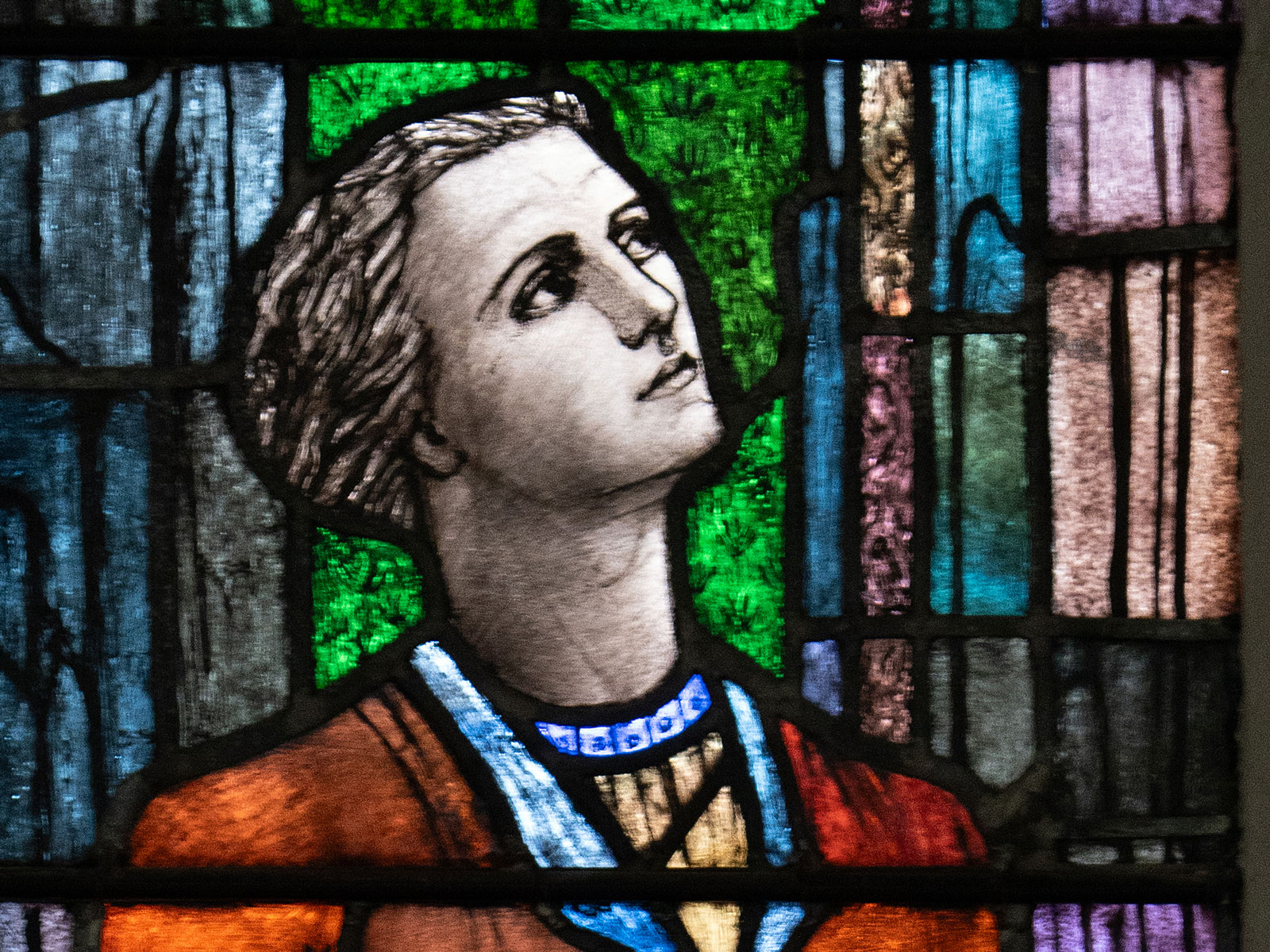
Ann Wilson examines Kitty O’Brien’s Crossing the Bar, a composition in stained glass that functions as a metaphor for hope
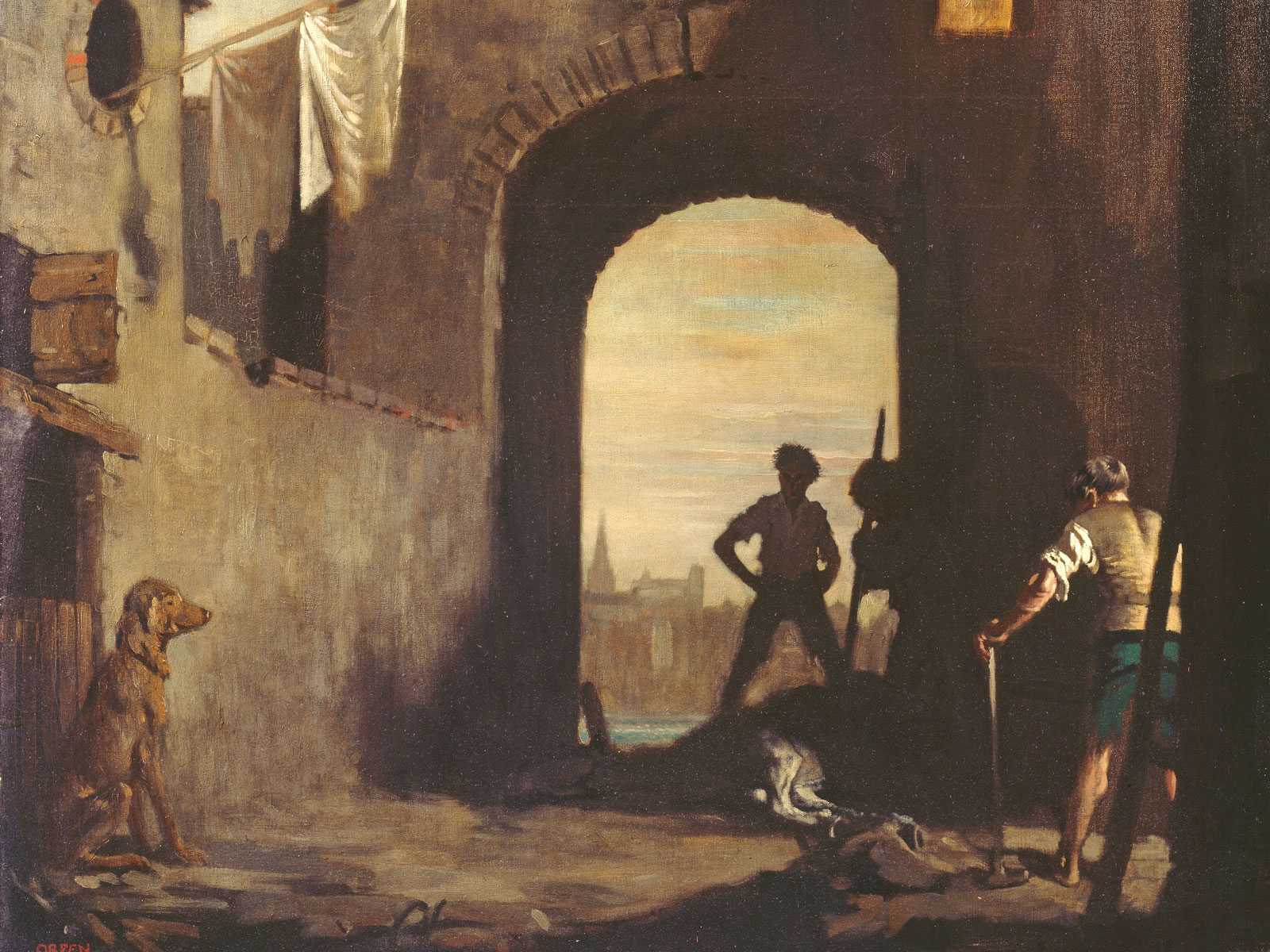
Kenneth McConkey explores the use of archways in mise-en-scène works by artist William Orpen