
Has capturing the pattern of everyday life put Hector McDonnell among the ‘Kitchen Sink’ School; or is he as he claims, an Impressionist? Brian McAvera asks the questions
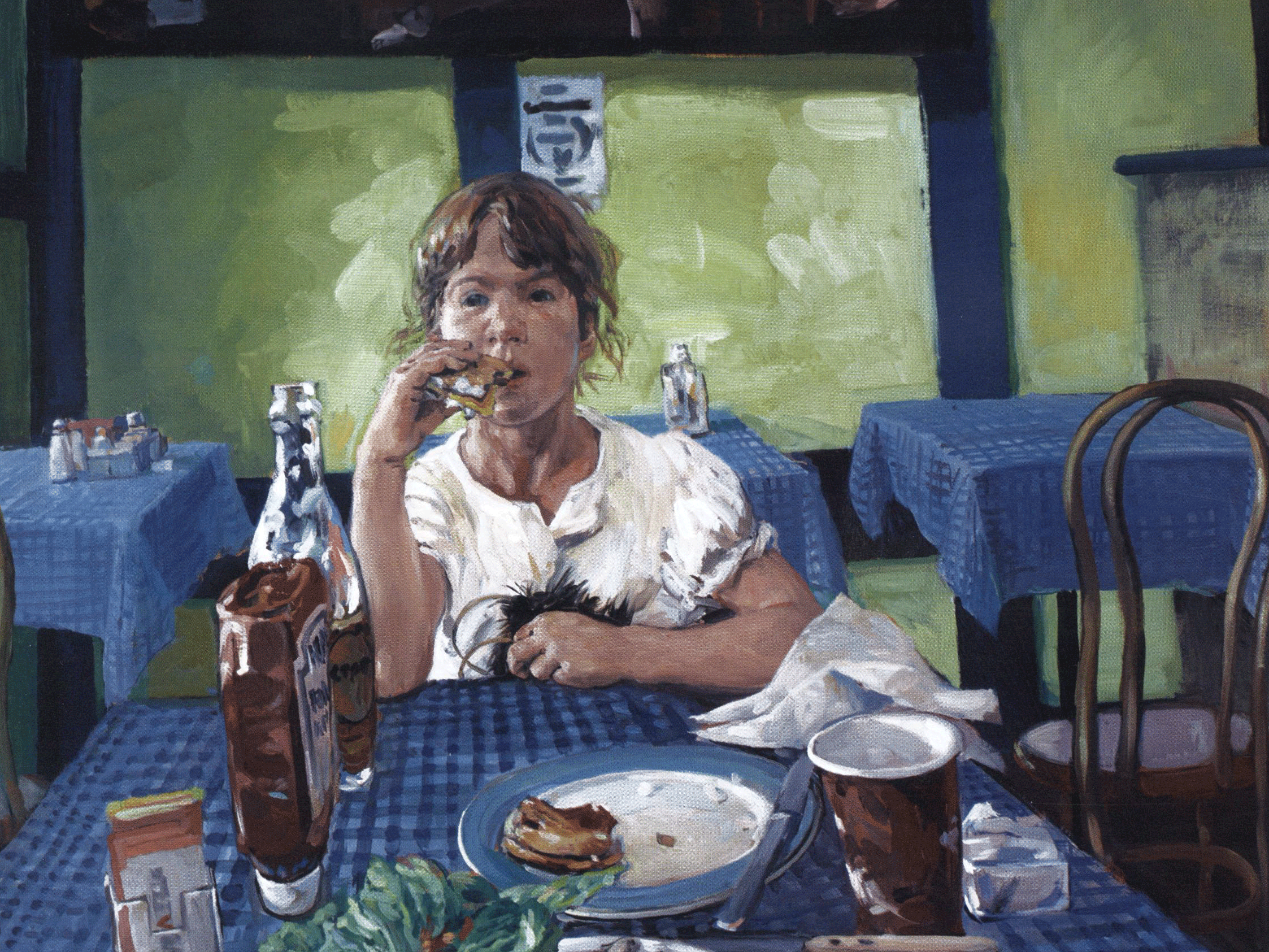
Brian McAvera: You are often described as being a realist painter. Your work reminds me of John Bratby and the so-called Kitchen Sink School, who were definitely not realist in any sense other than that of the subject matter: the ordinary, everyday situation. Your treatment isn’t realist in the sense of something akin to a photographic verisimilitude. How do you describe yourself?
Hector McDonnell: I’ve tried, and failed! Basically what I’m trying to do is to describe an experience; usually of a place, and of people, a moment of visual excitement – an epiphany. You see something which opens your heart in some way, and any painting is an attempt to get back to that experience. In a sense I’m an Impressionist: the attempt to recapture the visual moment. Mine is a very limited palette with a minimal number of colours and I try to use them to recreate what I see or saw. It’s a love affair with colour. An important early epiphany for me was seeing a big Pop Art exhibition at the Hayward Gallery in London in the late 1960s. I looked at it with great excitement and saw that I could show my own joy for the brash and rough modern world, but depict it strictly with painting. Years later I saw another exhibition in Darmstadt called ‘Realismus und Relitat’ and to my shock found that I was part of a realist movement that was truly international – Hopper, Andrew Wyeth and the group of superb Spanish realists, are the people I feel closest to. One of the best of these Spanish realist artists is Antonio Lopez Garcia but there are several others including several wonderful women.
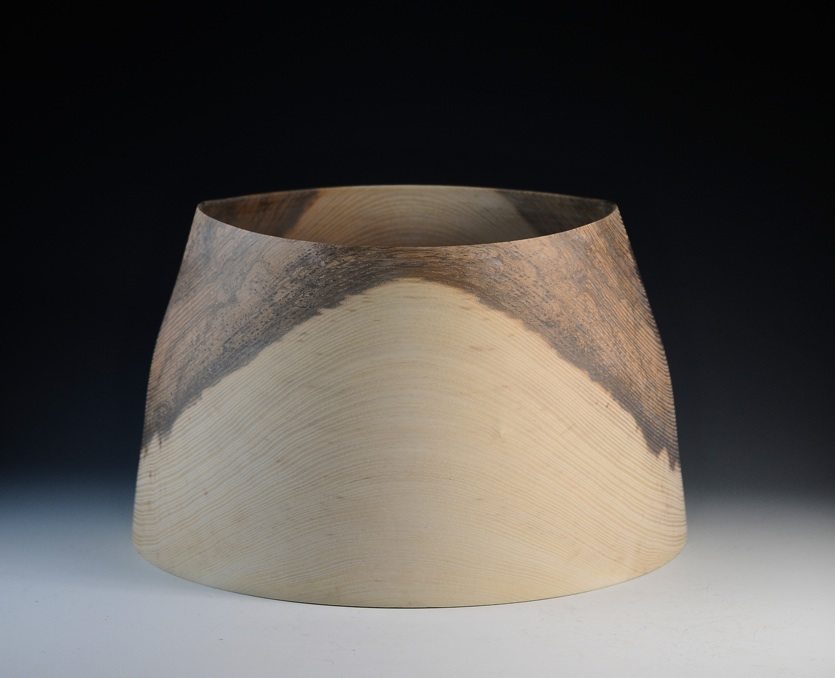
Susan Rogers visits woodturner Liam Flynn at his County Limerick studio
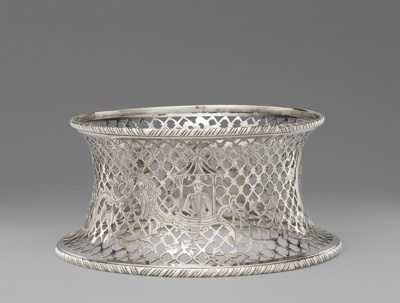
William Laffan previews the exhibition ‘Ireland: Crossroads of Art and Design 1690-1840′ which opens at the Art Institute of Chicago in March
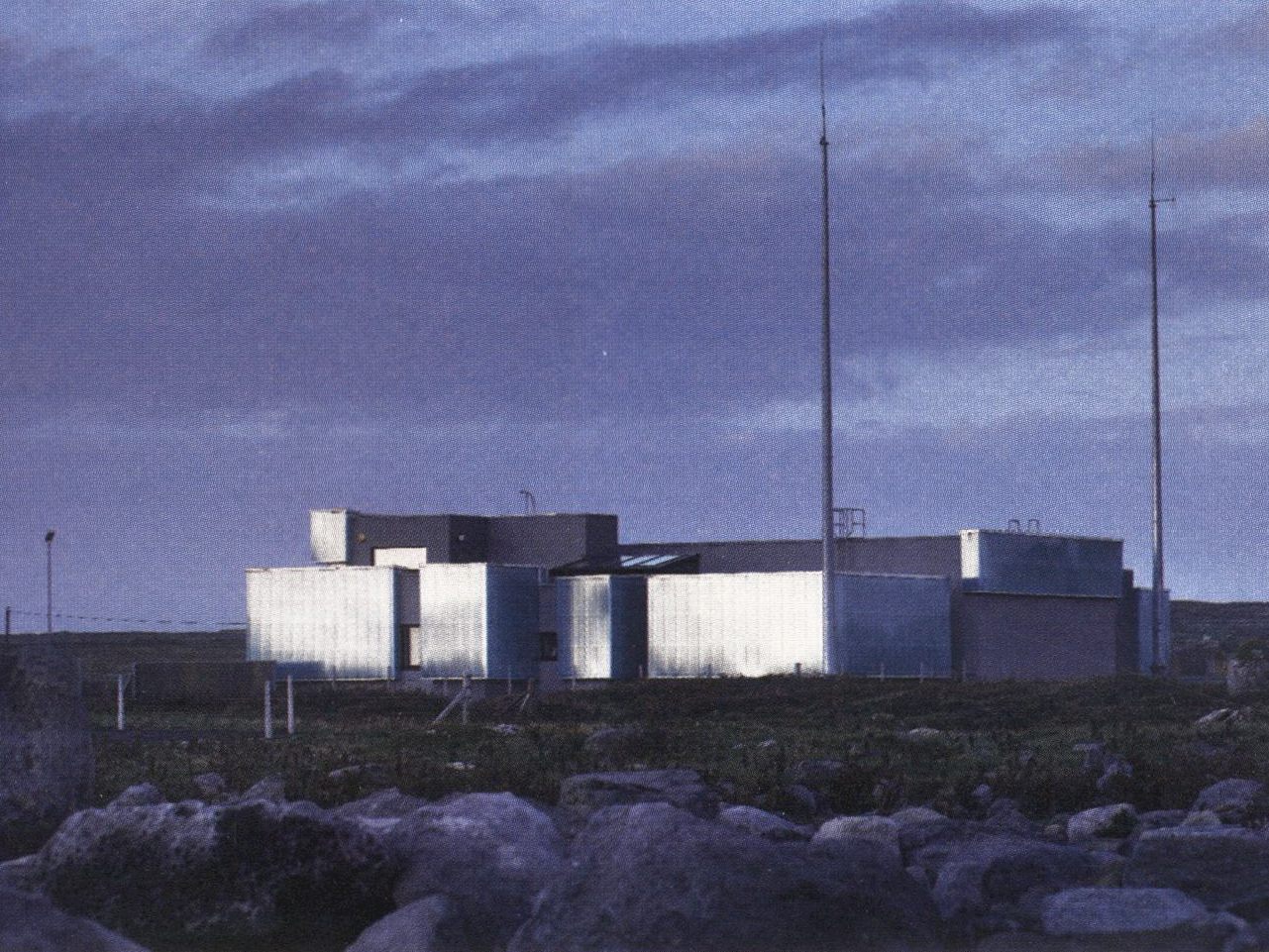
In his design for the new Coast Guard Station in Doolin, County Clare, Dominic Stevens has discovered his architecture of the Burren; an architecture of abstract rocks, describing the material nature of place, writes Steve Larkin