
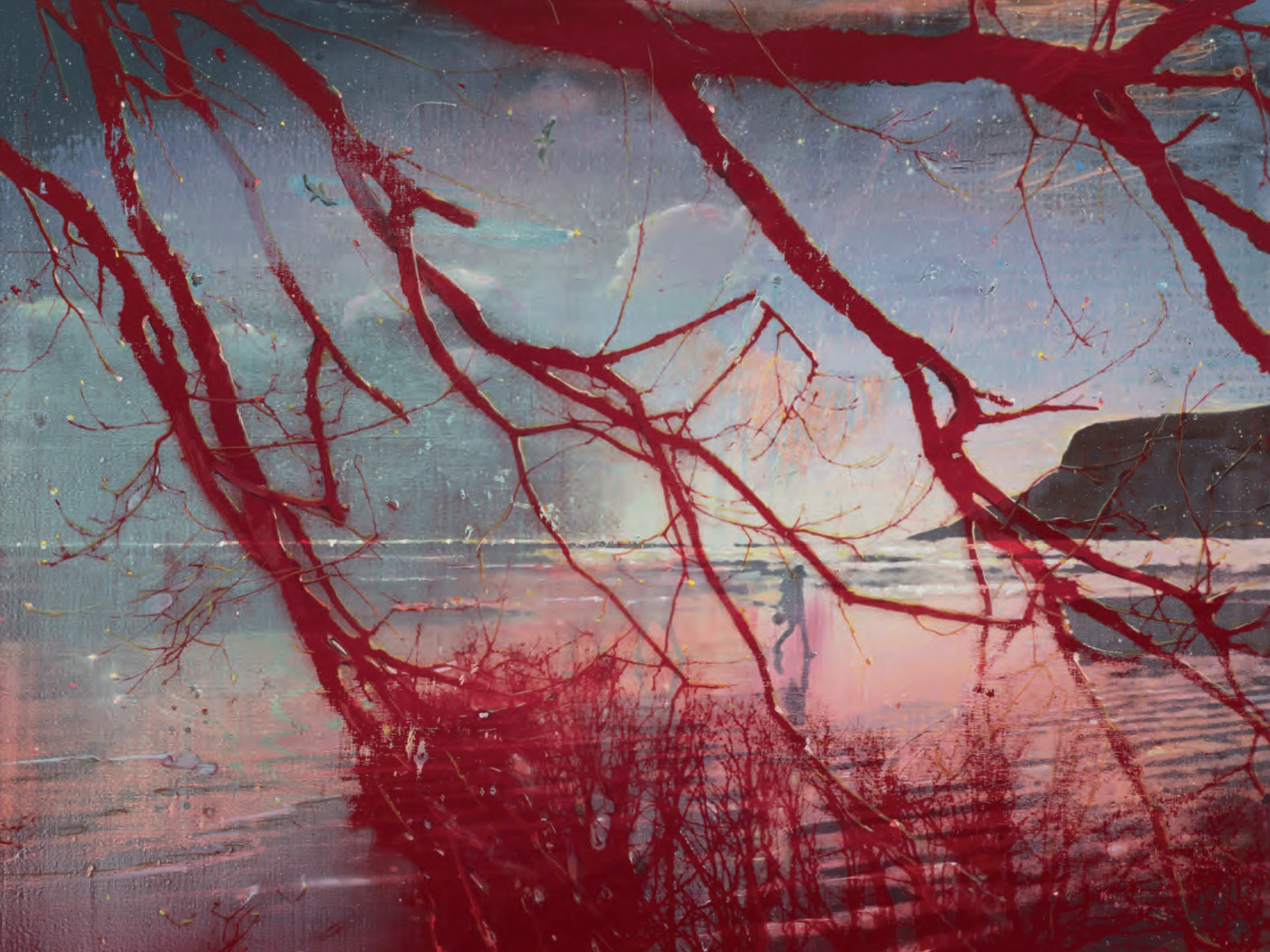
It would be a mistake to assume that Gwen O’Dowd’s seascapes are simply about the delights of nature, writes Yvonne Scott
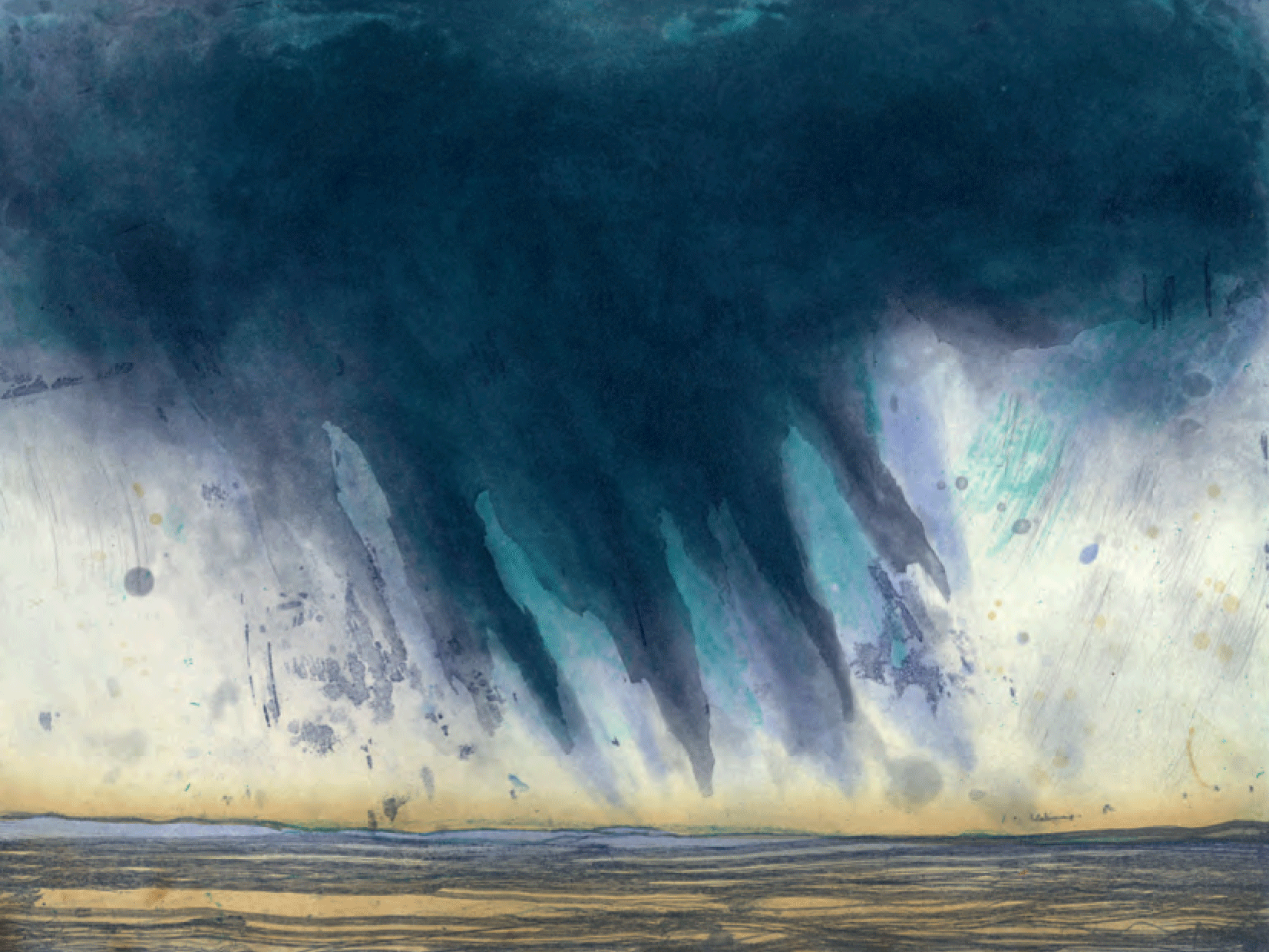
Gwen O’Dowd’s recent explorations of print techniques, on show at the Graphic Studio Gallery, alongside some of her painted studies, demonstrate that she continues to take advantage of the opportunities that experimentation provides. In this series, she pushes the boundaries of her established familiarity with carborundum print methods, and explores the potential of etching for the firs t time. For commentators to grasp the complexities of print techniques really requires, at the very least, the opportunity to witness the processes involved. They are not only surprisingly labour intensive – necessitating a team of professionals who, as artists in their own right, appreciate not just the technical requirements of the practice, but also both the pitfalls and, especially, the creative opportunities. The creation of a print is far more complex than might be assumed by anyone unfamiliar with the intricacies of the medium. 1 It involves working in layers of overlapping colour, the effects of which must be anticipated and imagined. It requires an understanding of the physics of such matters as the moisture retention of both the colour (using specialized paints or inks) and the particular paper, in turn affecting how the layers of the composition co-ordinate, how the colours blend or resist, and how the support itself will change shape and scale as it dries. The perils of the process add edge to the excitement of revelation as the image emerges from the rollers and plates.
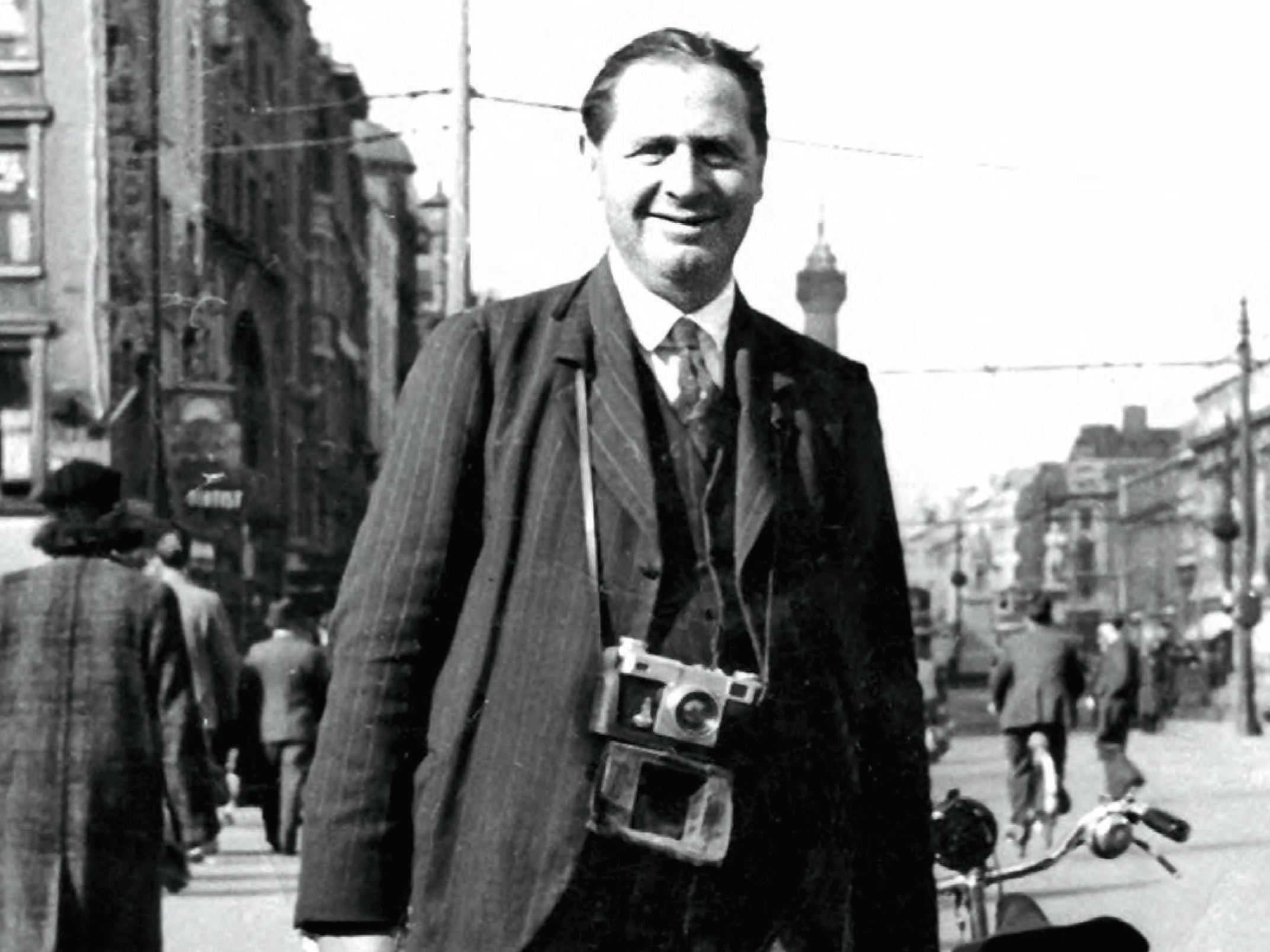
Stephanie McBride reflects on the extraordinary life’s work of Arthur Fields, the last of the street photographers
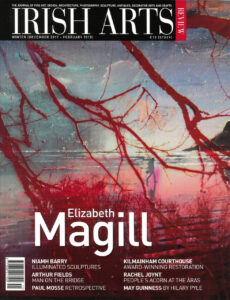
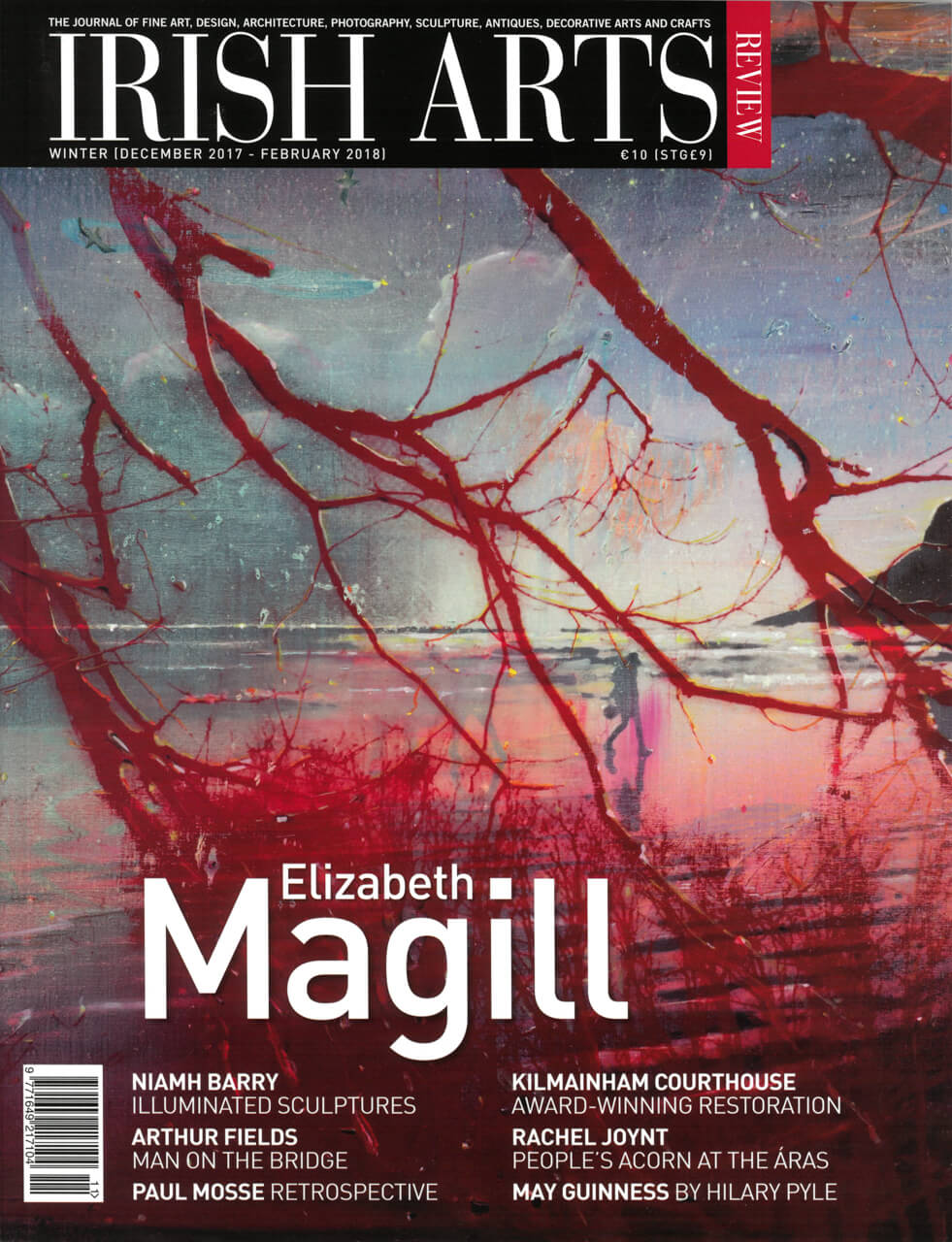
All around the globe, conflicts have and continue to shape the land and their inhabitants’; Elizabeth Magill explores the flipside of the buccolic in conversation with Brian McAvera.