
Hilary Pyle remembers James Stephens, a writer of stature, whose account of the Easter Rising while Registrar at the National Gallery comes into focus in the current display at the Gallery
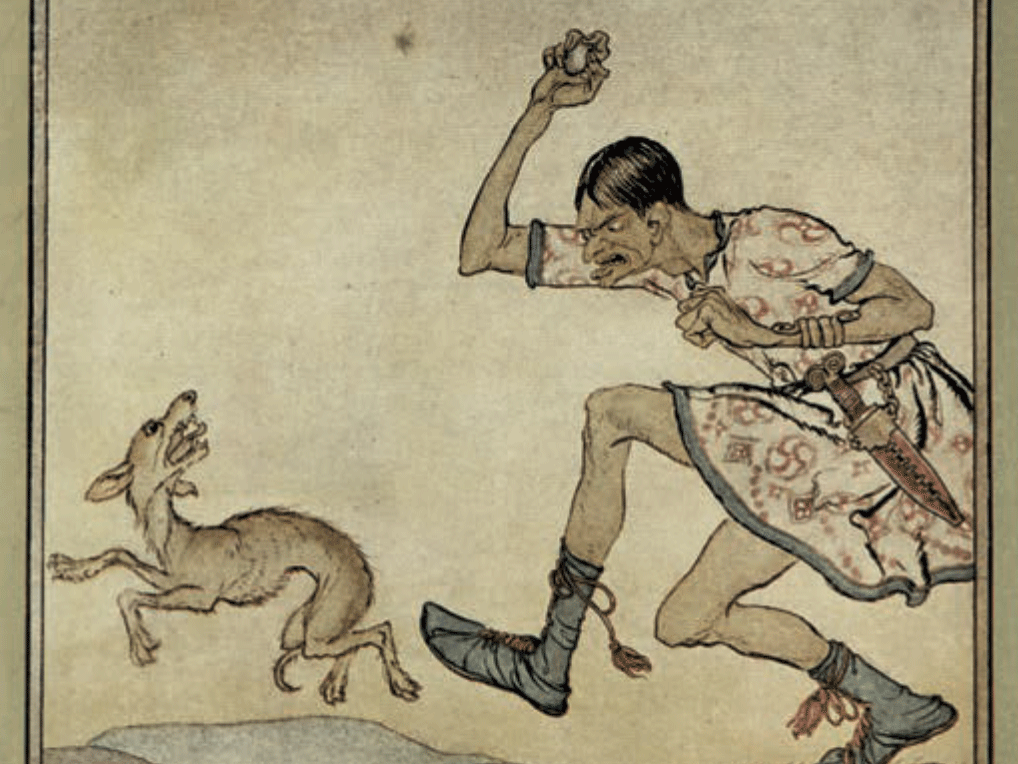
Of all the Irish Renaissance writers, James Stephens was most affected in his work by the Rising of 1916. He was Registrar of the National Gallery in succession to Walter Strickland, and acting for the Director when it happened. A controversial appointment promoted by Bodkin, Stephens strongly believed 2 in the interconnection of the arts, and regularly sketched idiosyncratic linear animations in personal letters. His diary starts in lighthearted mood, describing the first days of the Bank Holiday weekend as he passed the time preparing for a lesson on the dulcimer. ‘Peace was in the building.’ he noted; and, on the Monday. ‘I woke into full insurrection and bloody war, but I didn’t know anything about it. His journal of Easter Week, 1 day by day as it unfolded, is an objective account, in Yeatsian tone interwoven with his own inimicable phraseology, noting major and minor human responses to the event as he walked about the city, confused, and trying to understand. There was little or no credible news to be had, a plethora of rumours, and bullets abounded from many kinds of guns. The leaders – who were on the verge of execution – included friends and associates from the various literary ‘At Homes’ he frequented in Dublin

Proving that good design is timeless, Virginia Teehan presents a selection of rare artefacts travelling to Boston College, celebrating Irish design from the Arts and Crafts Movement.
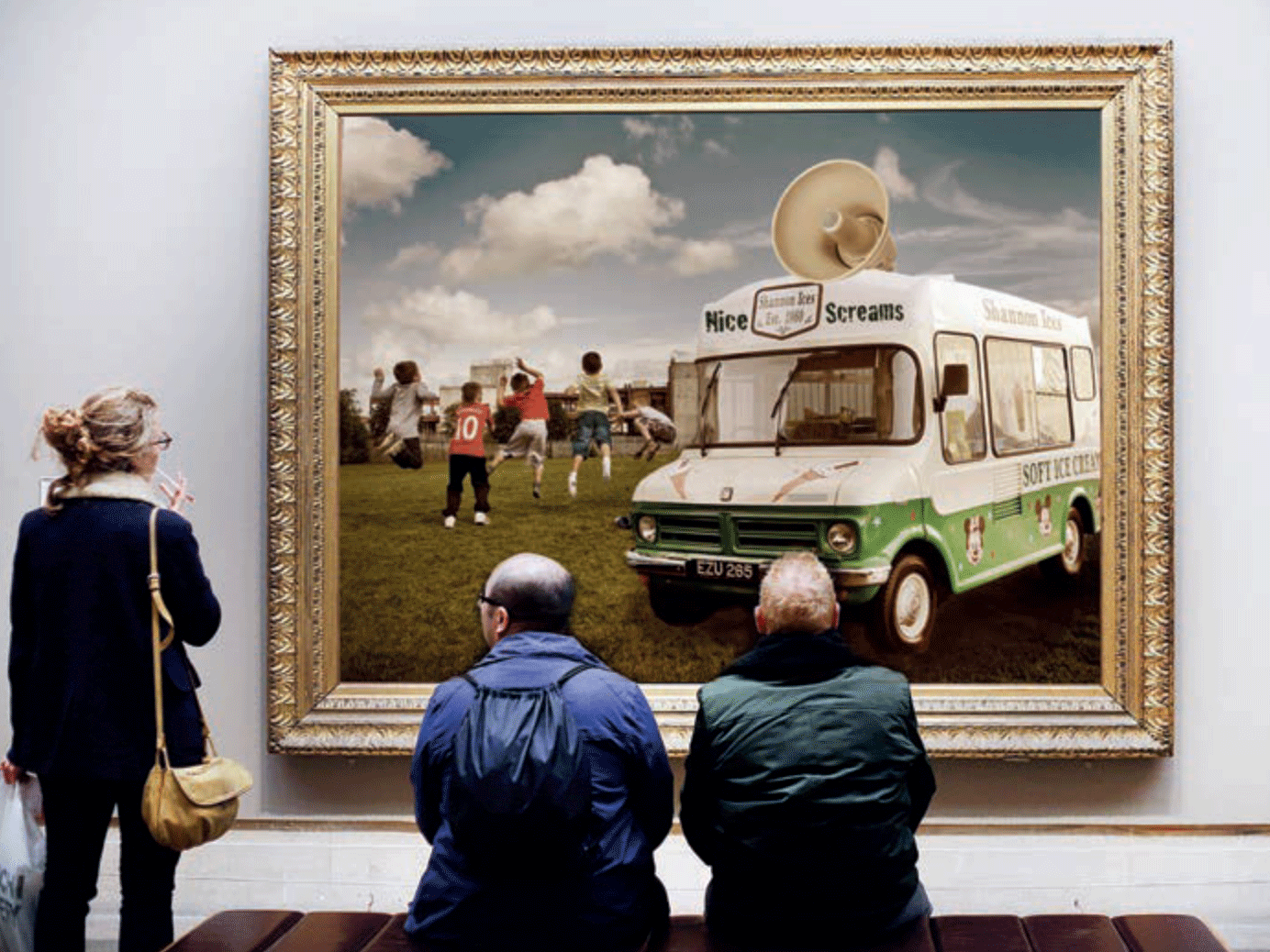
In response to the 1916 centenary, EVA International takes as its theme, the post-colonial legacy on the psyche and imagination of colonized communities, writes Michaele Cutaya.
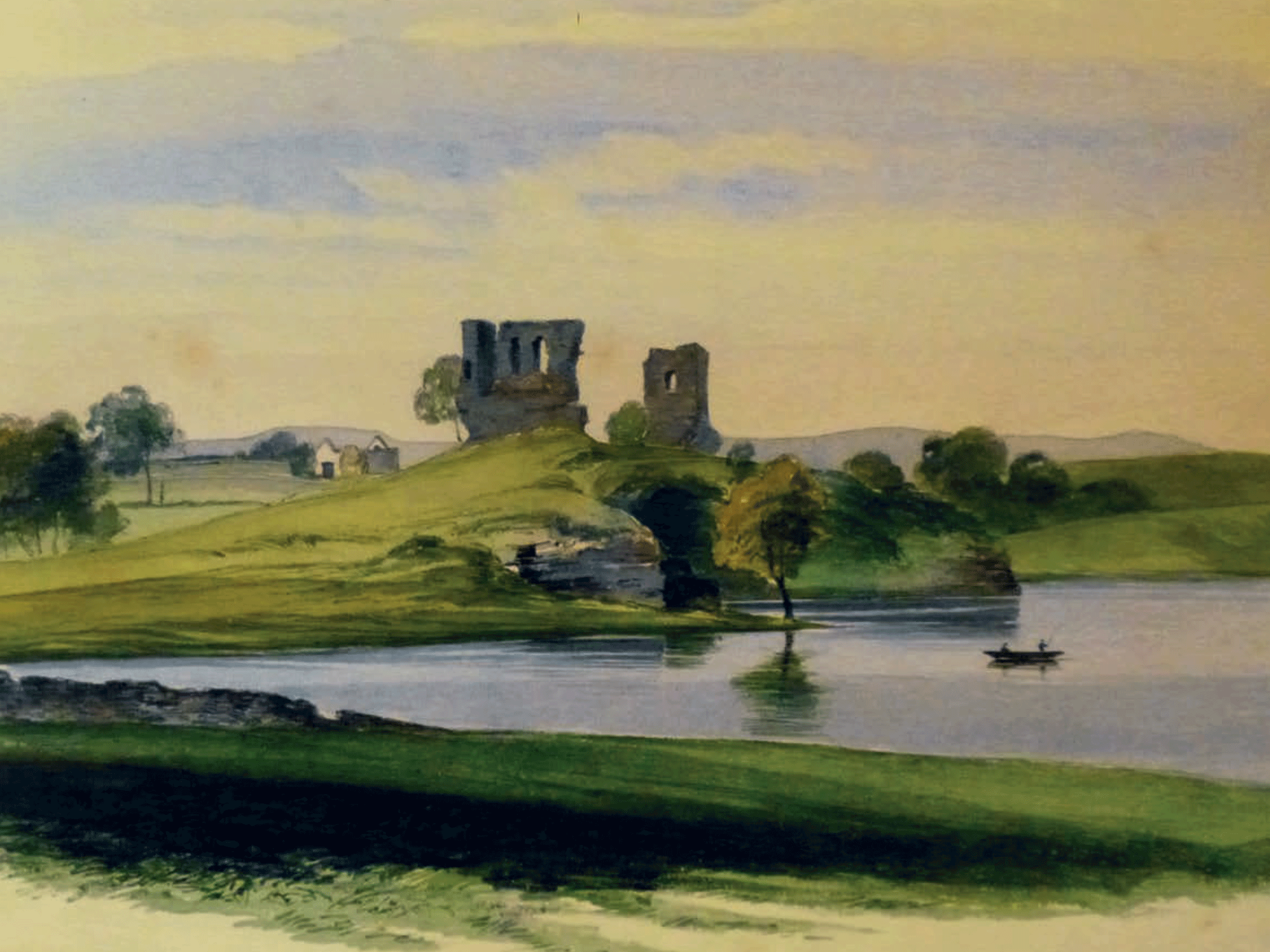
A recent visit to Sligo County Library prompts Peter Harbison to ask, could our national institutions do more to give local communities access to their treasures?