
Revolutionary Ireland is a fine culmination to George Morrison’s distinguished career as a documentarist, writes Bob Quinn in his assessment of the renowned filmmaker’s latest achievement
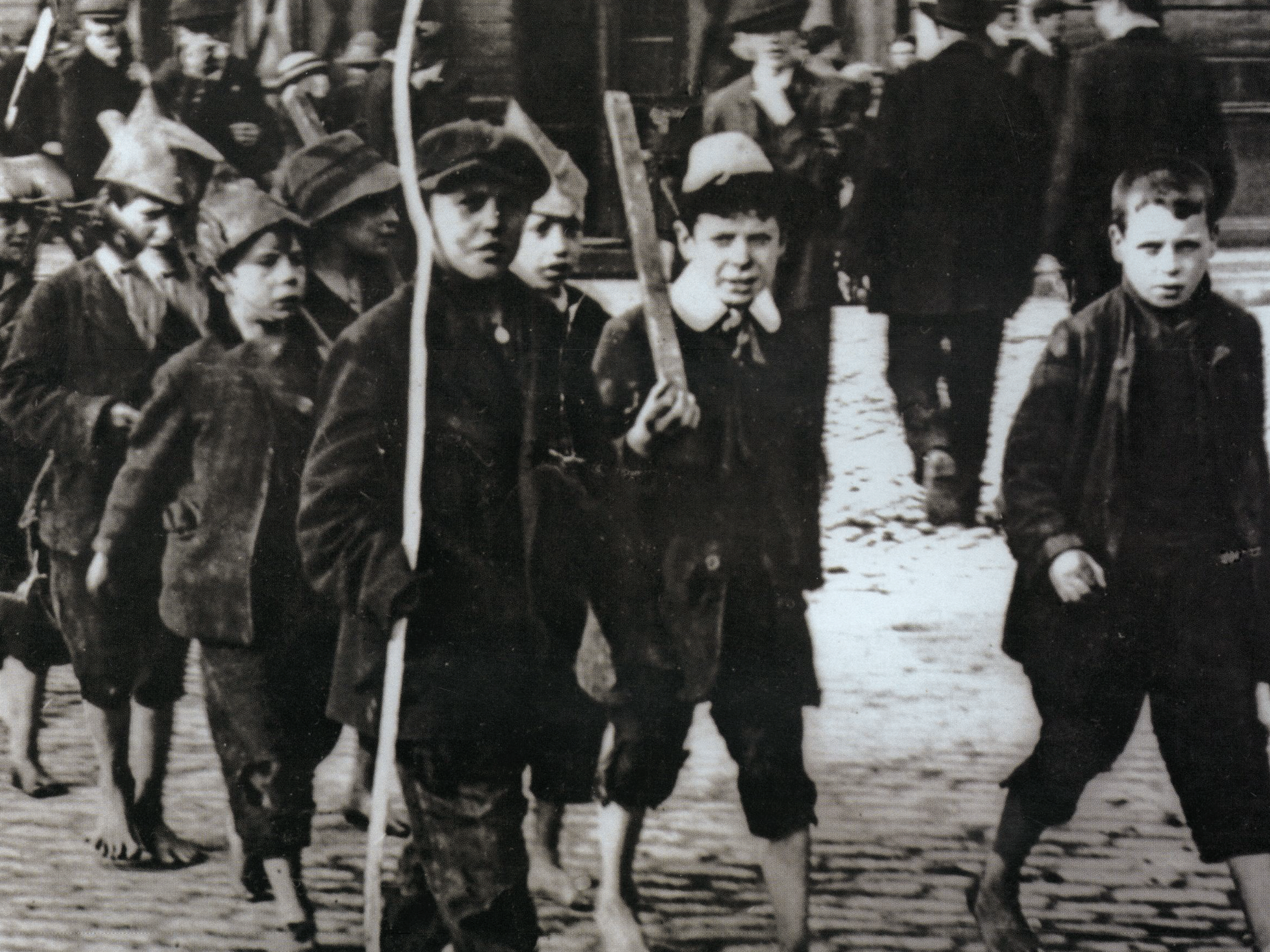
For Irish school children in the mid-1950s, the teaching of Irish history stopped at 1916. Nothing of note happened after that, no War of Independence, no exit from the Empire, and certainly no Civil War. We were protected from knowledge of the savagery of brother against brother in Cogadh na gCarad. The wounds of the latter had not yet healed: it will take some time.
We young scholars were left treading water with dead heroes, patriotic ballads, Emily Lawless poems, accounts of the Famine, Daniel O’Connell’s broken heart, Faith of our Fathers, Cromwell, the Vikings, the noble Celts, our fervid imaginations, a sense of eternal victimization and encouragement to avenge wrong. In a word, our history was a moan and for many youngsters a bore. The film Mise √âire, made familiar to everybody by Seán √ì Riada’s stirring score, was a breath of fresh air in 1959.
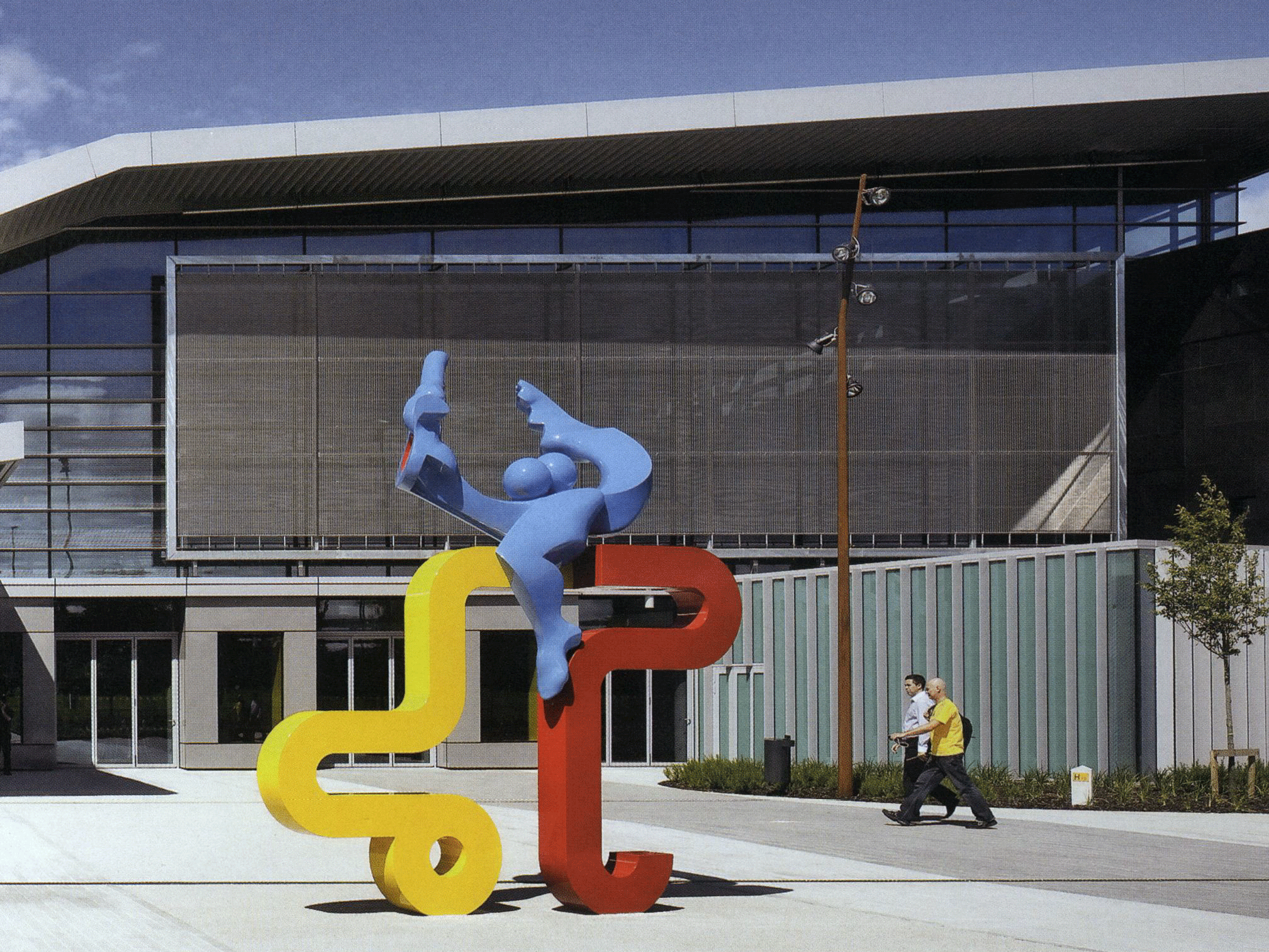
In his assessment of Fitzgerald Kavanagh and Partners’ award-winning Student Centre at UCD Seán ó Laoire charts the evolution of Ireland’s largest campus since its foundation
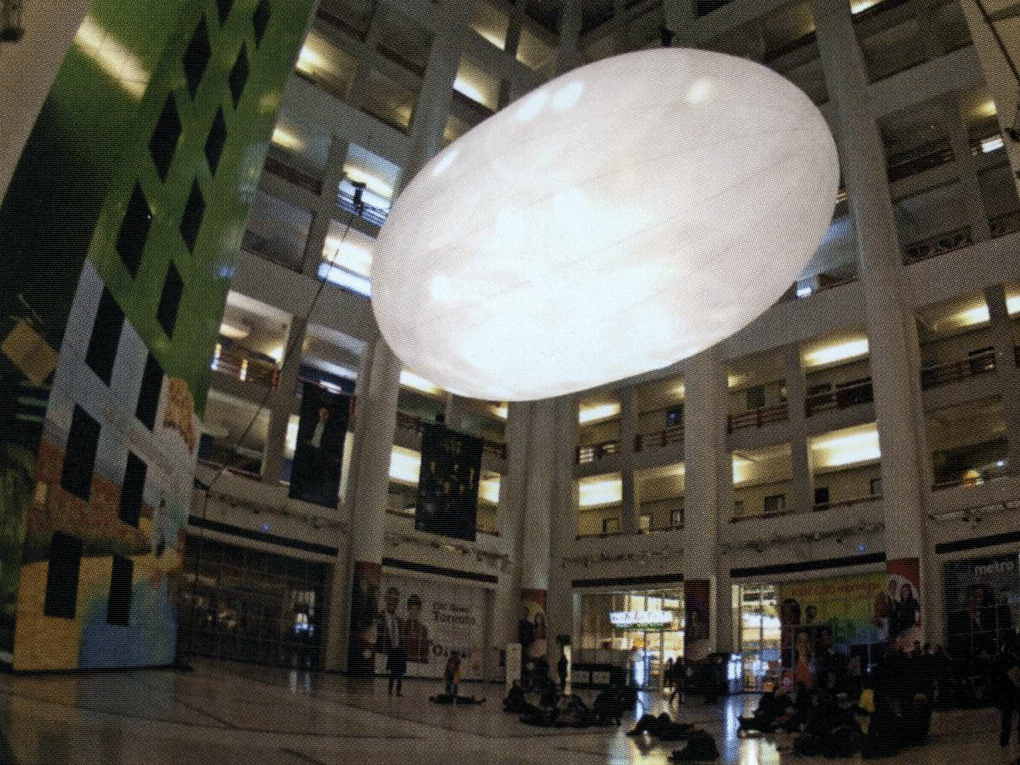
Carissa Farrell reports on sculptor and multi-media artist Andrew Kearney’s new installation ‘Tell Me Something’ for Limerick City of Culture, which continues Kearney’s focus on the policing of the private individual
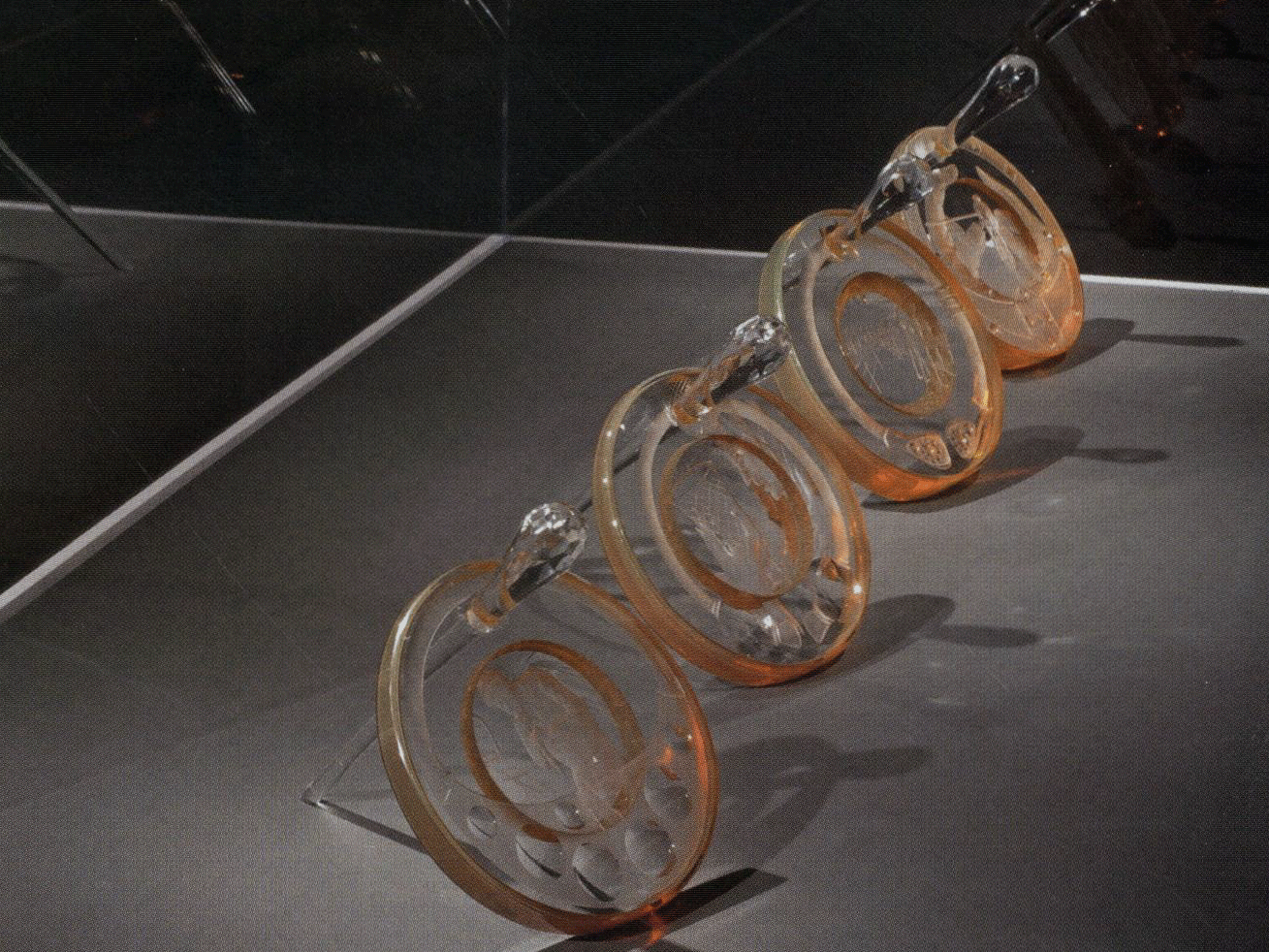
Without decisive action, our glass heritage will once again be lost, argues Eleanor Flegg, as Róisín de Buitléar’s exhibition’Caution! Fragile’ receives an enthusiastic reception Stateside