
Skellig cannot be seen primarily as a commercial commodity without significant diminution of its unique character, writes Paddy Bushe.
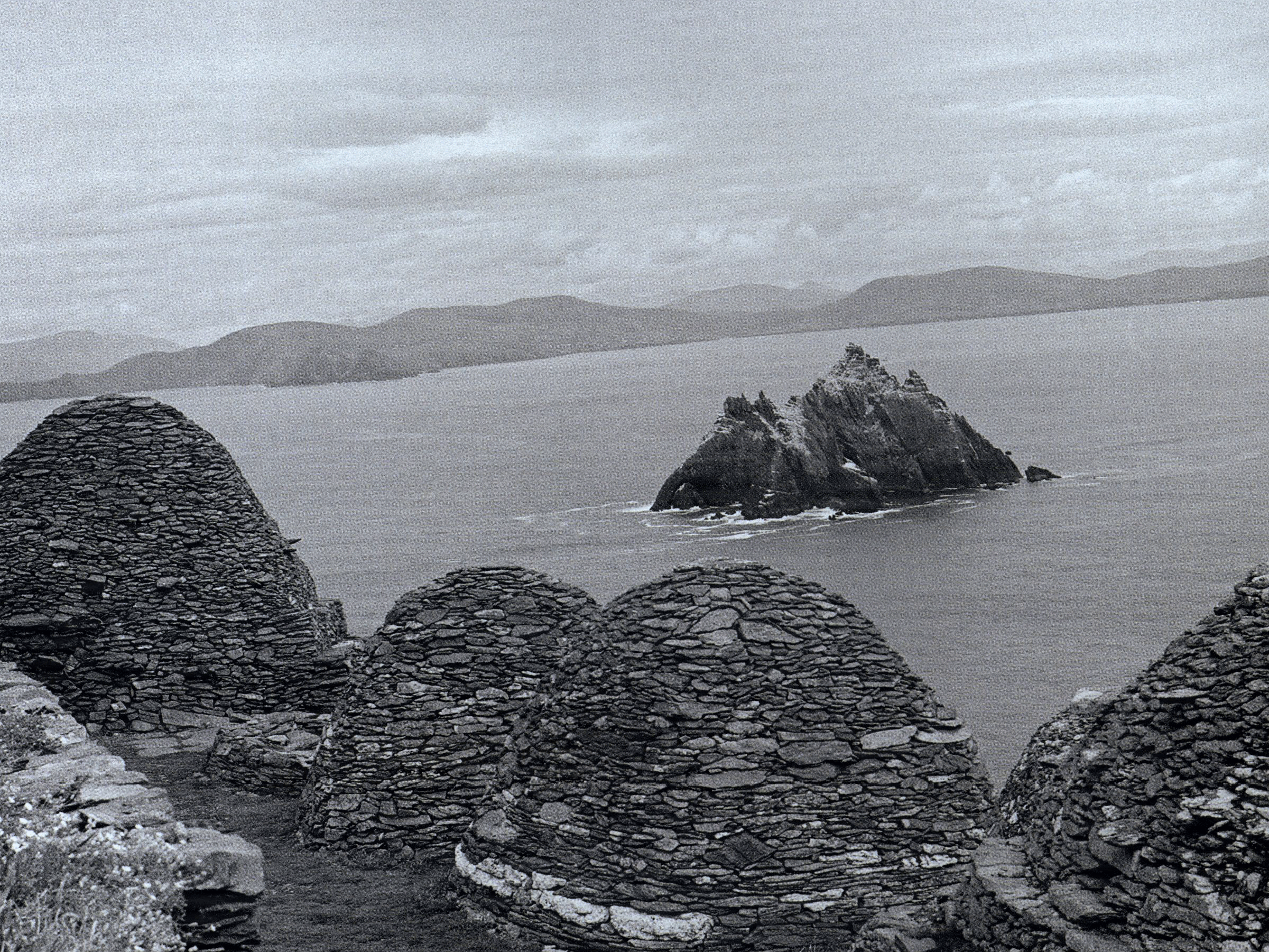
Early in October. ber, I stopped to have a look at the monumental Fontaine Saint-Michel in the heart of Paris. The bronze statue of the winged Archangel Michael brandishing his sword over the supine figure of the vanquished Devil, set in an architectural structure reminiscent of a triumphal arch, and surrounded by other bronze figures representing various virtues, seemed a long way from the remote simplicity of Skellig Michael (Sceilg Mhichfl or just Sceilg, as I usually call it), both geographically and culturally. But I was conscious that they shared a belief, a myth that underpinned a devotion that spanned the distance between this centre of European civilization and a bare pyramid of rock off the western edge, the ultima thule of that civilization for many centuries. The crowds streaming by in all directions were no doubt largely secular, but the inheritance of that tradition is as important as it is visible.
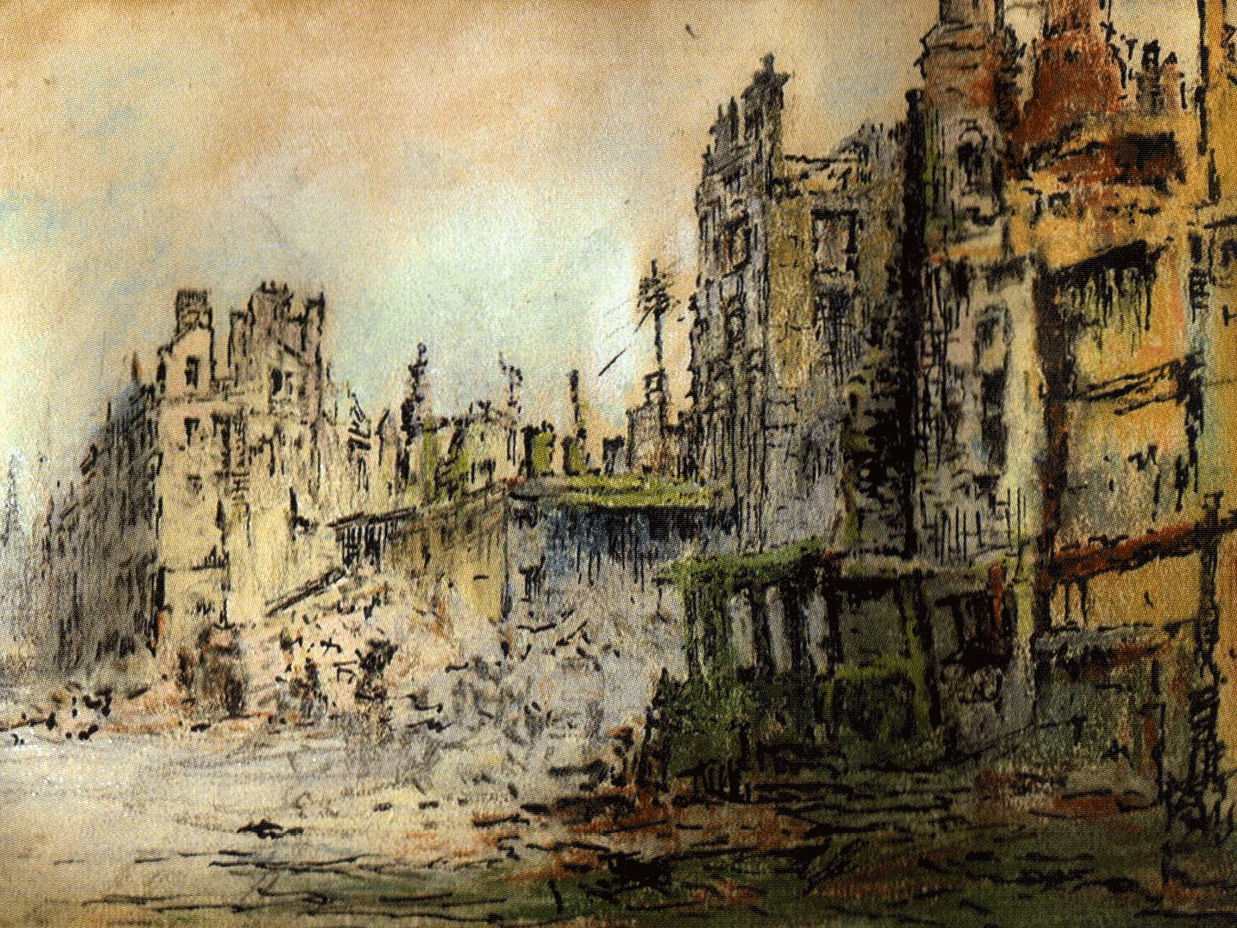
As Europe confronts its current refugee crisis, Kathryn Milligan looks back to 1916 when a Belgian artist was one of the 2,300 Belgian refugees who sought shelter in Ireland.
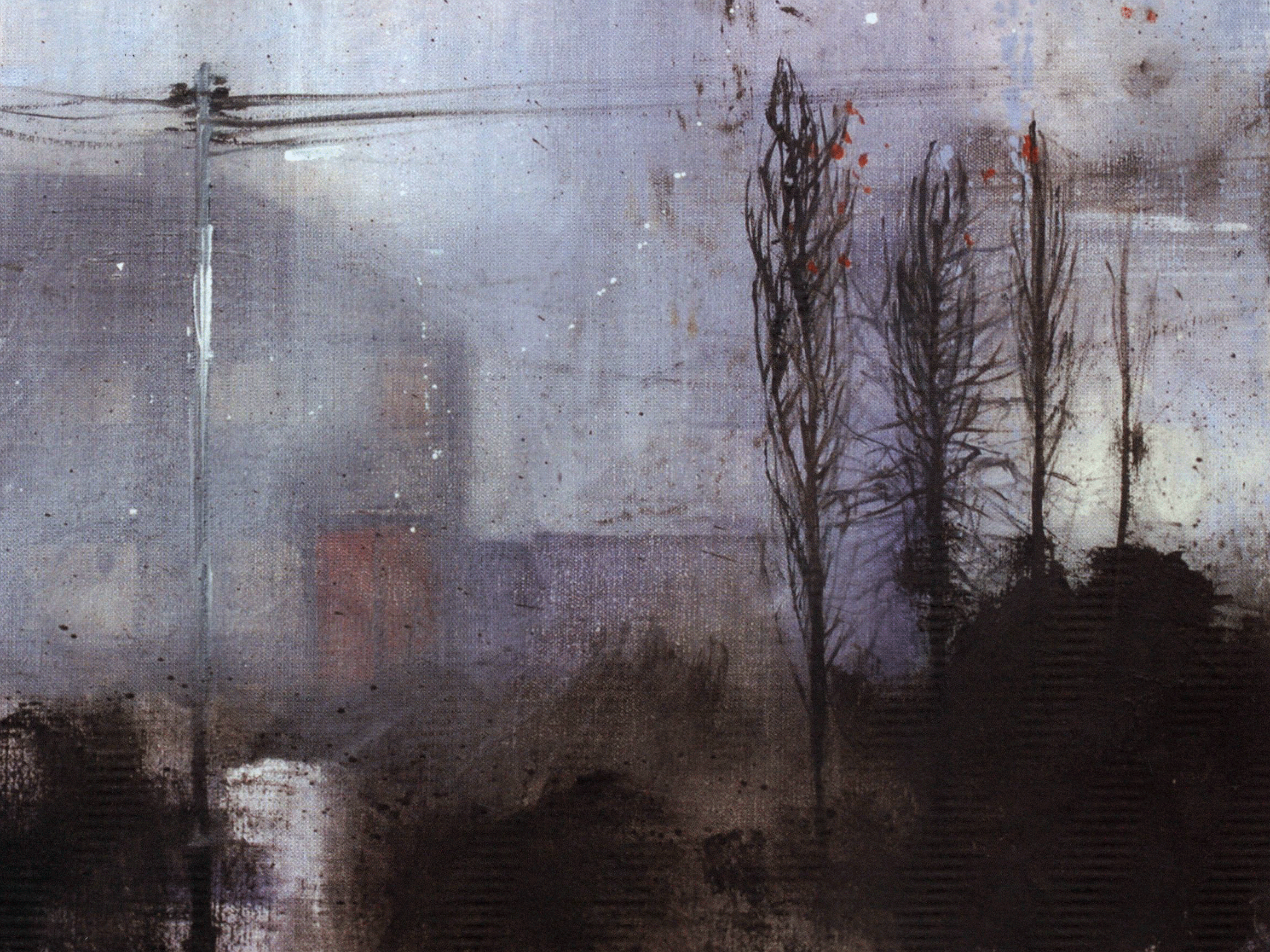
Peter Murray reflects on the cool Nordic aesthetic of Patricia Burns whose work is on view in January at the Taylor Galleries, Dublin.
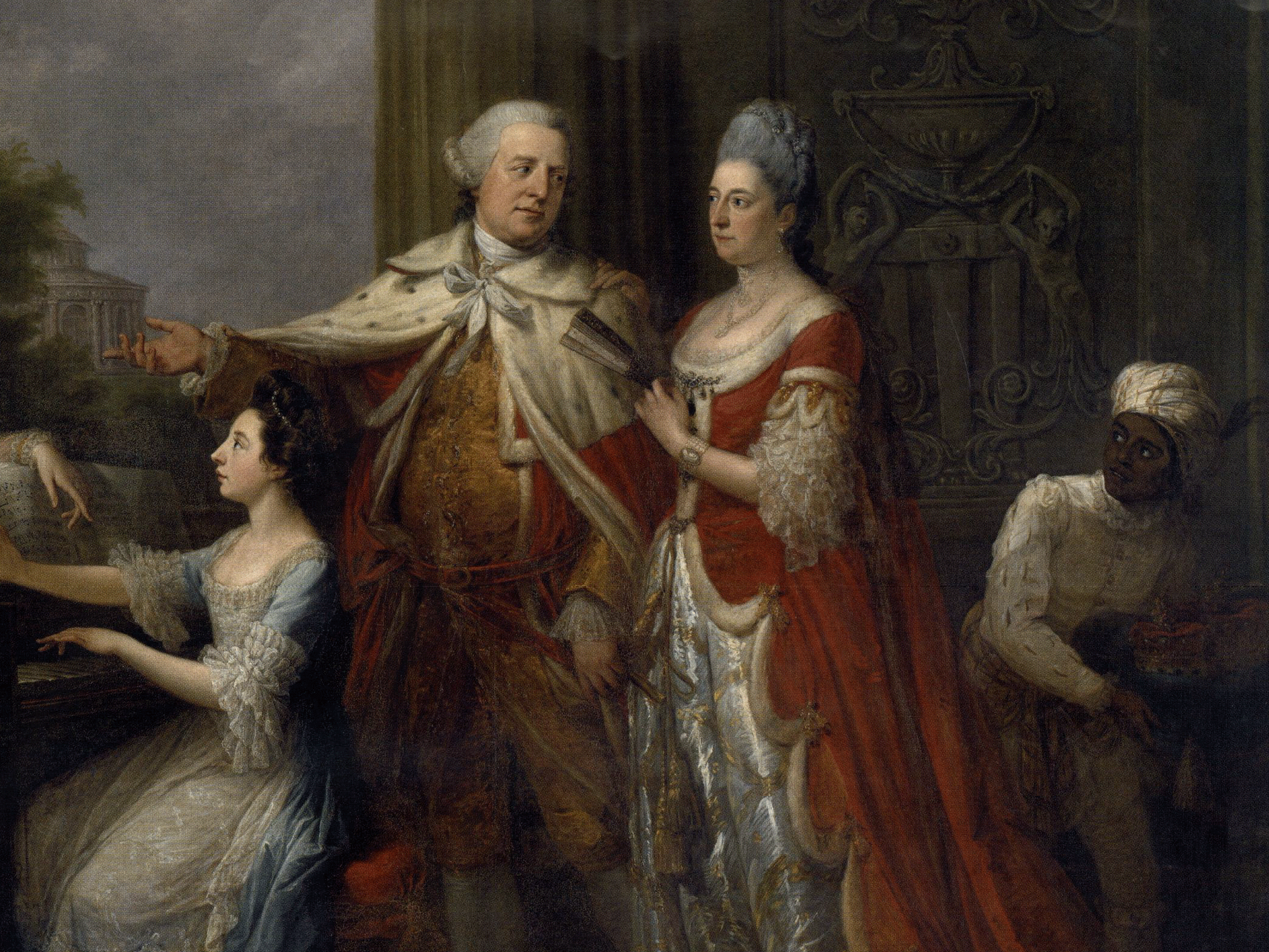
Recent excavations at Rathfarnham Castle have brought the former inhabitants into focus, prompting Simon Loftus to recall some vivid episodes from the family’s history.