
Riann Coulter points to some highlights from David Crone’s forthcoming retrospective hosted at the FE McWilliam Gallery
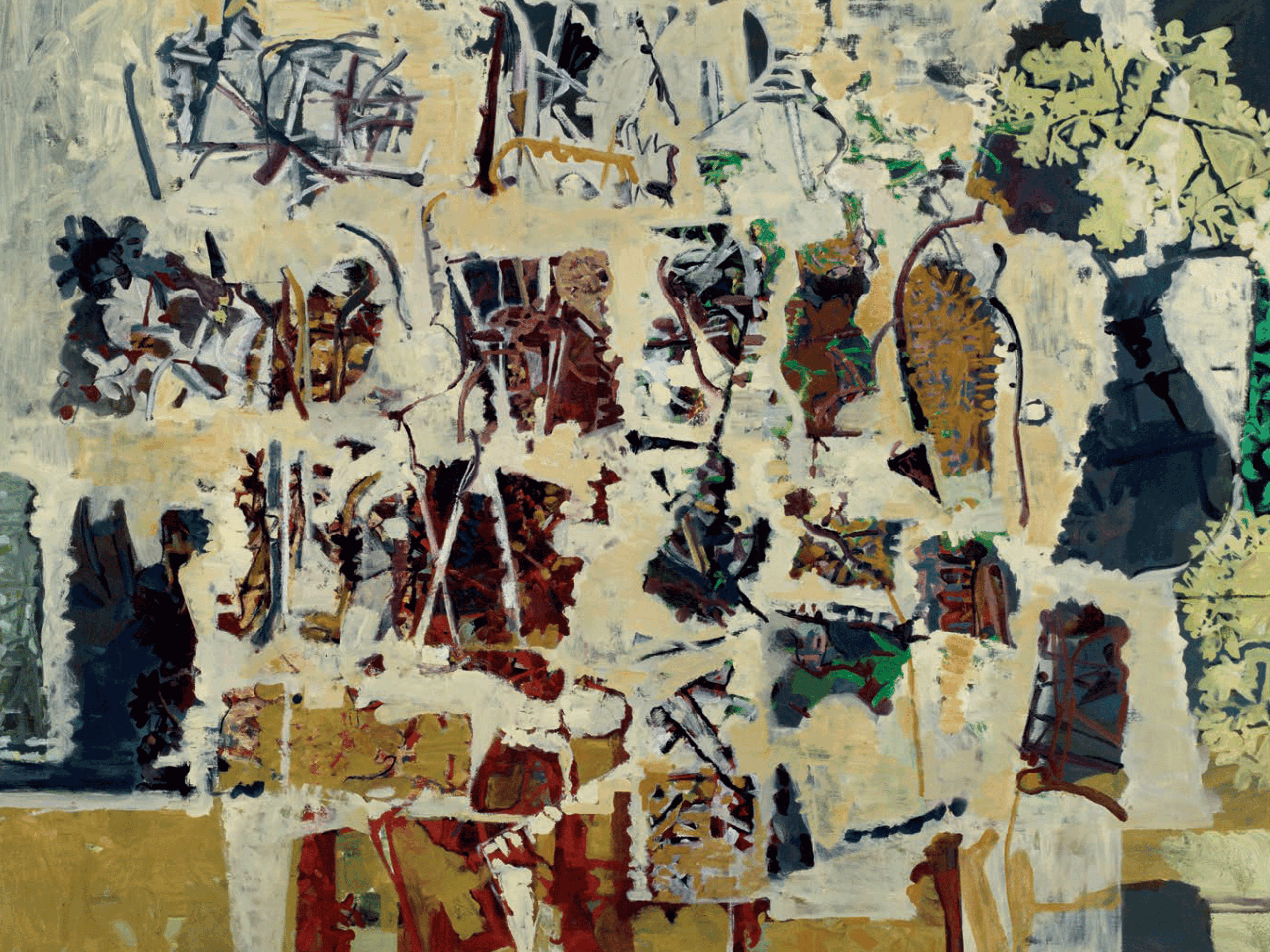
How does it feel to look back at your art produced over a period of forty years? Images made by one’s younger self in a different world. While old photographs may make us lament lost youth, reflecting on paintings produced several decades ago can provide a baseline against which to measure current work and all that lies in between. For a painter as accomplished and prolific as David Crone, this retrospective exhibition, ‘Echoes and Reflections’, held in his seventy-ninth year, can only hope to scratch the surface of a remarkable body of work, much of which is largely unknown to all but a handful of friends and collectors. Born in the Lisburn Road area of Belfast in 1937, Crone taught art for over thirty years, both at Annadale Grammar School (1963 – 1975) and,until 2001, at Belfast College of Art. A respected and well-liked teacher whose subtle influence and quiet encouragement is acknowledged by generations of students, Crone is admired inthe art world, but is little known outside. This lack of public recognition seems particularly remarkable considering the honours that Crone has received over the years, including membership of the Royal Ulster Academy and the Royal Hibernian Academy and an extensive exhibition history throughout Ireland and beyond.
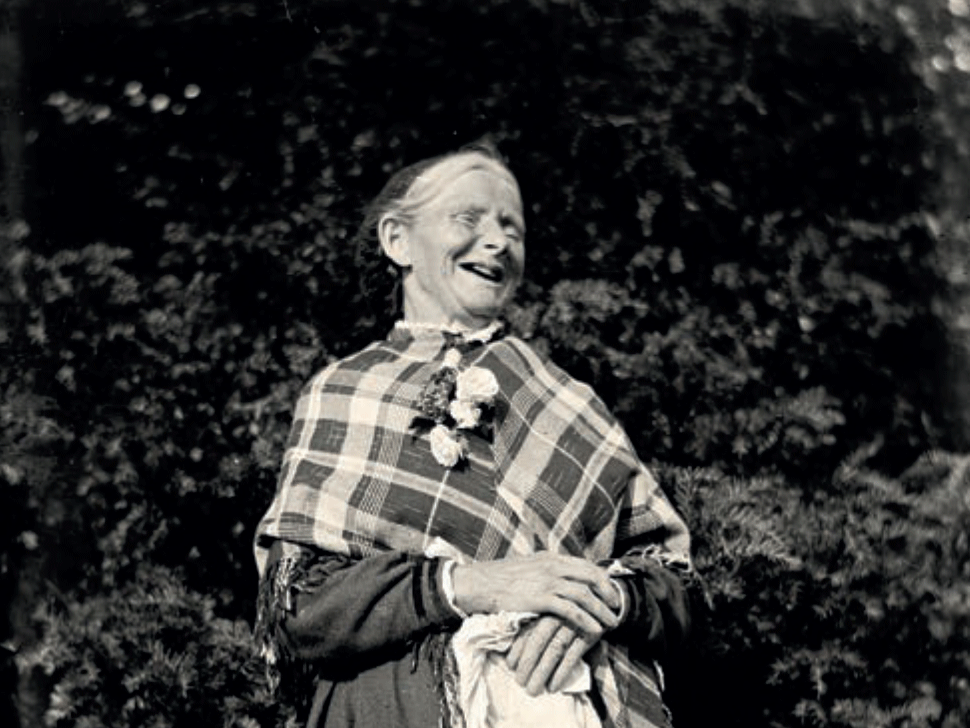
In recording the traditional attire of female estate workers, Augusta Caroline Dillon of Clonbrock House, Co Galway, seemed presciently aware that her images would become historical document, writes Christiaan Corlett.
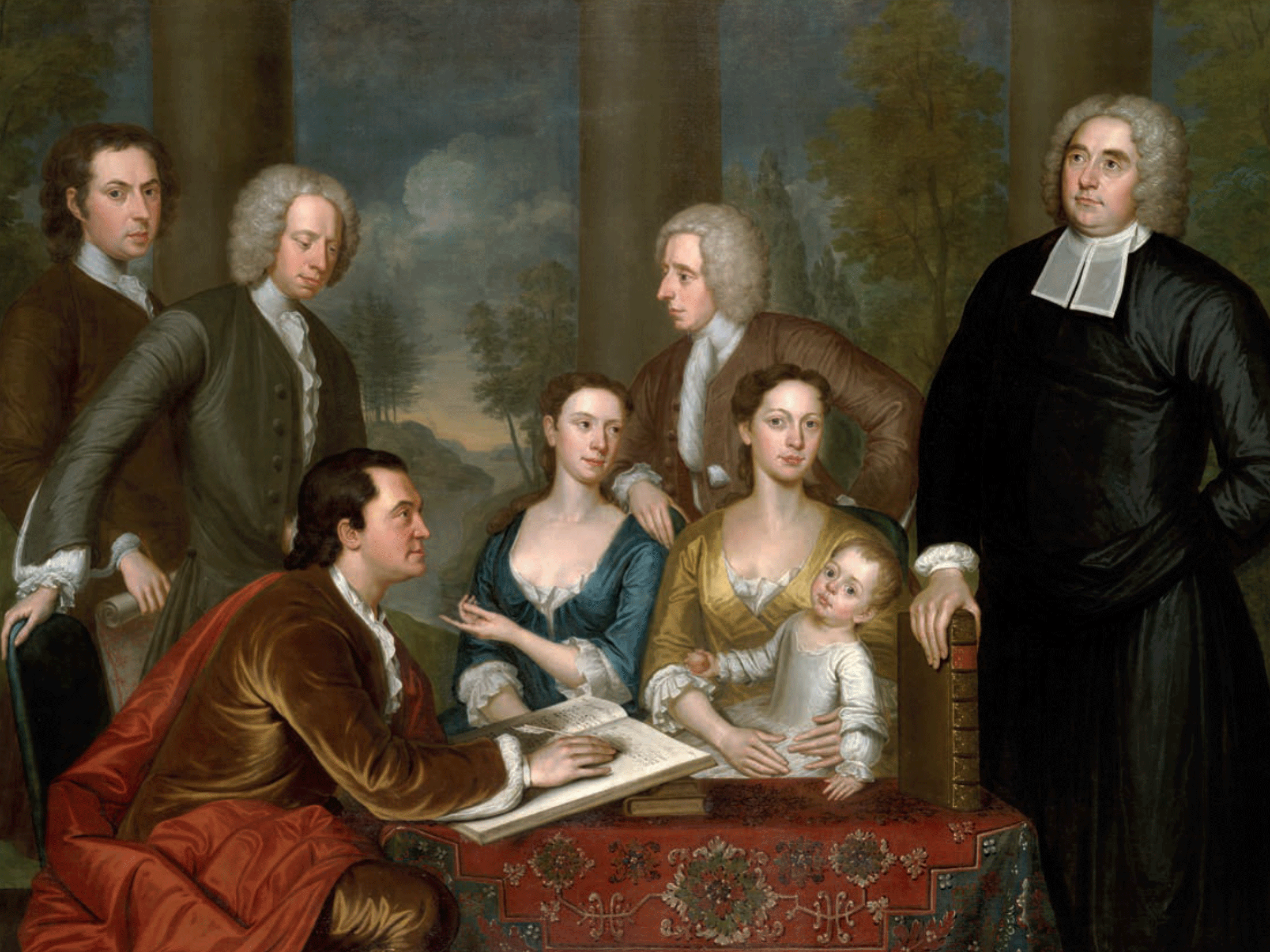
George Berkeley is famous for his contribution to philosophical thought, but less well known for his observations on art, some of which Peter Murray examines here.

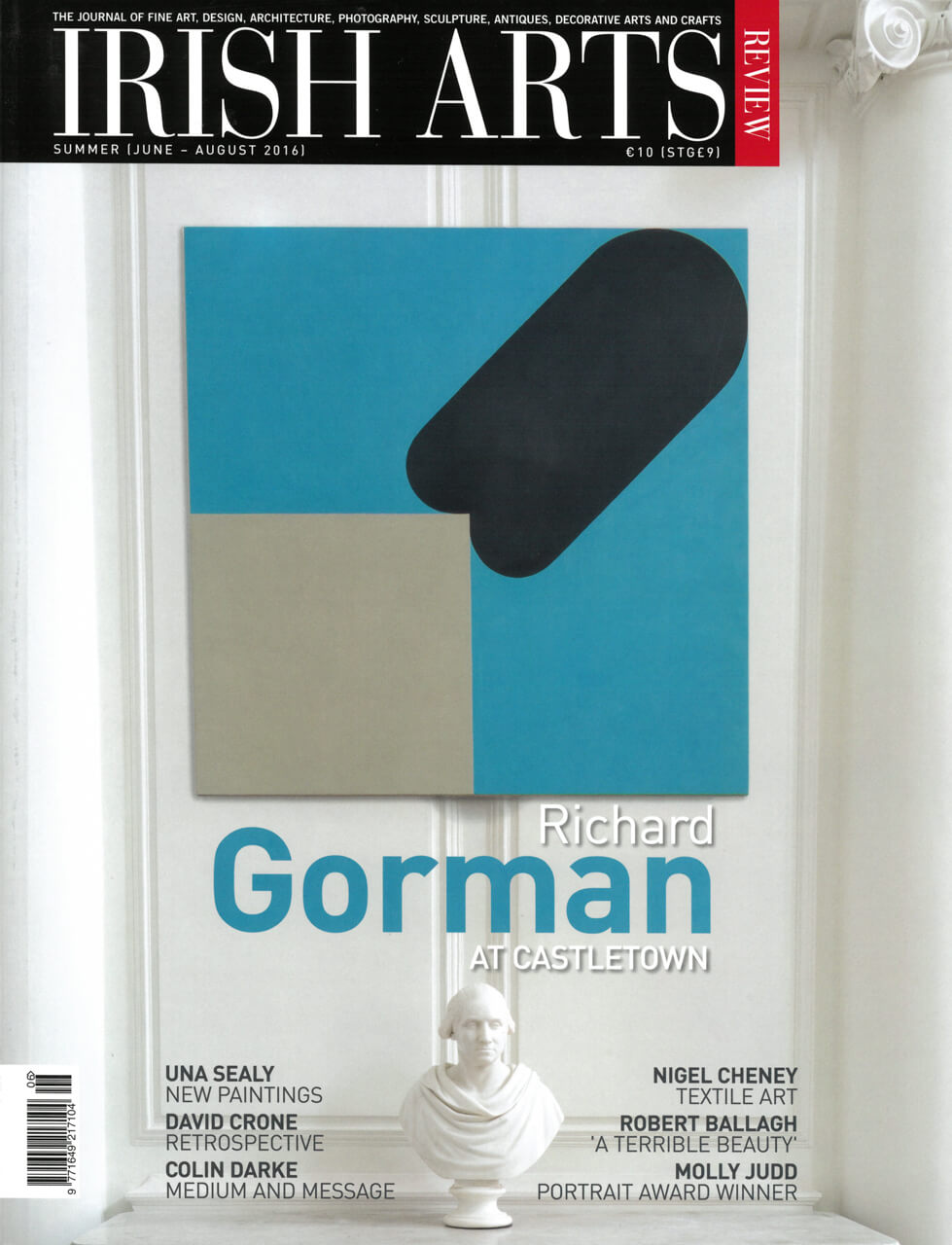
Richard Gorman is marking his 70th year with an exhibition at Castletown, Co Kildare where his colourful abstracts animate the walls of its classical interior, writes Jennifer Goff.