
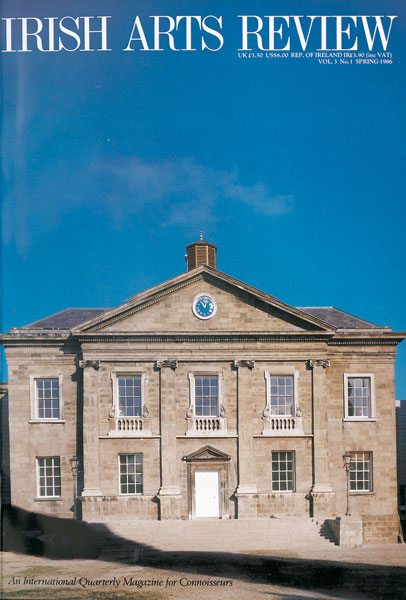
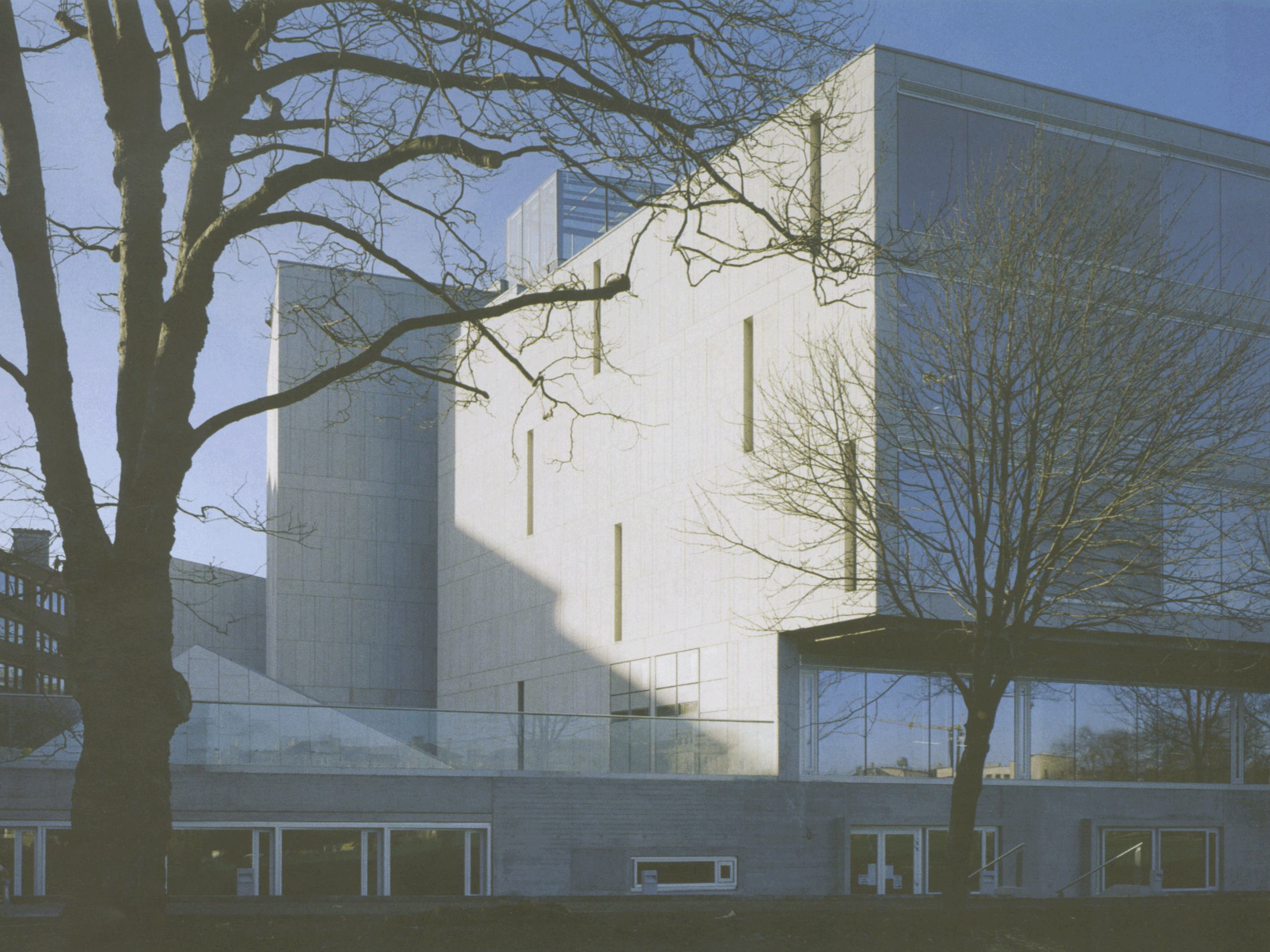
Almost three hundred years after the construction of TCD’s first great library, the new Ussher Library is ready to open. Raymund Ryan finds that Trinity College ‘has balanced the maintenance of its inheritance and progressive architectural patronage with aplomb’
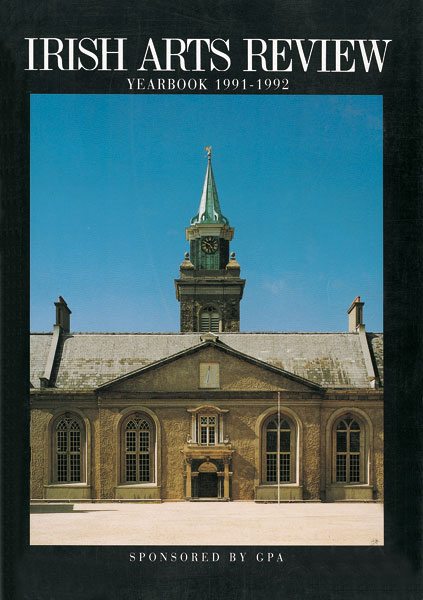

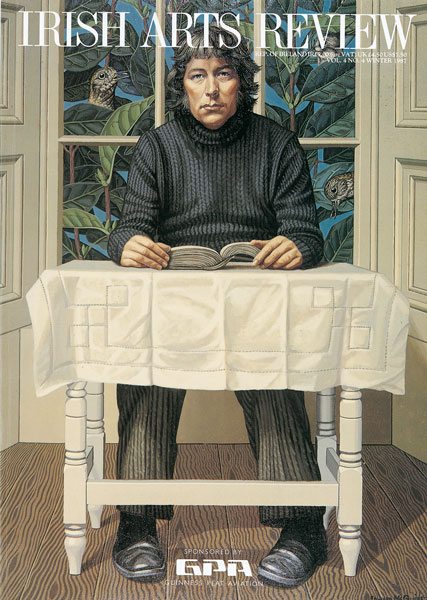
Seventeen paintings by AE Russell, a collection of portraits by Estella Solomons and literary papers from writer Seamas O’Sullivan, form the core of a valuable bequest to Trinity College Dublin, that is testimony to an enduring friendship, writes Riann Coulter
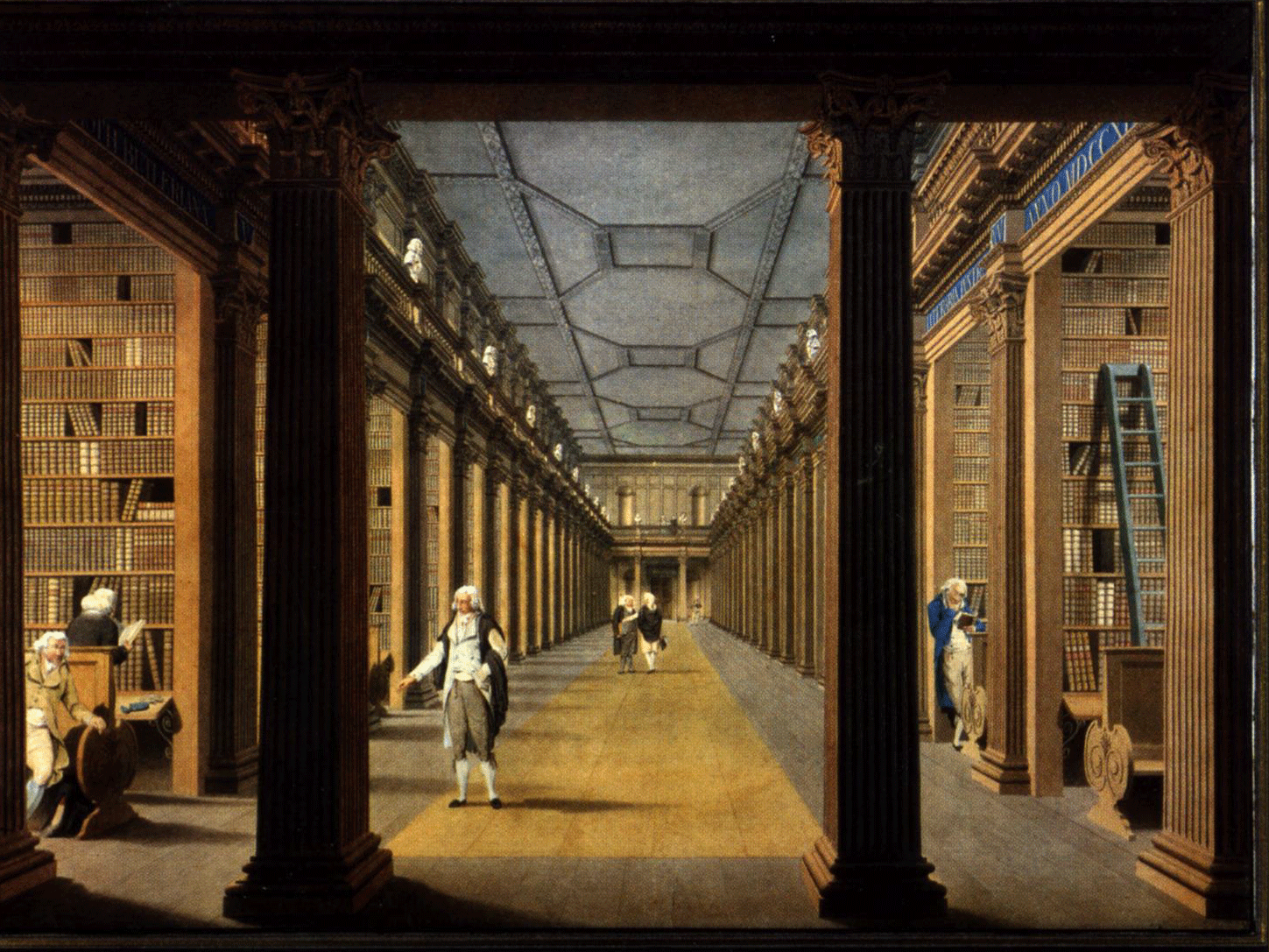
Through the ambition of its fellows, legal entitlement and generous bequests, the Old Library, Trinity College Dublin has amassed a world-famous collection, writes Charles Benson in celebration of its tercentenary.
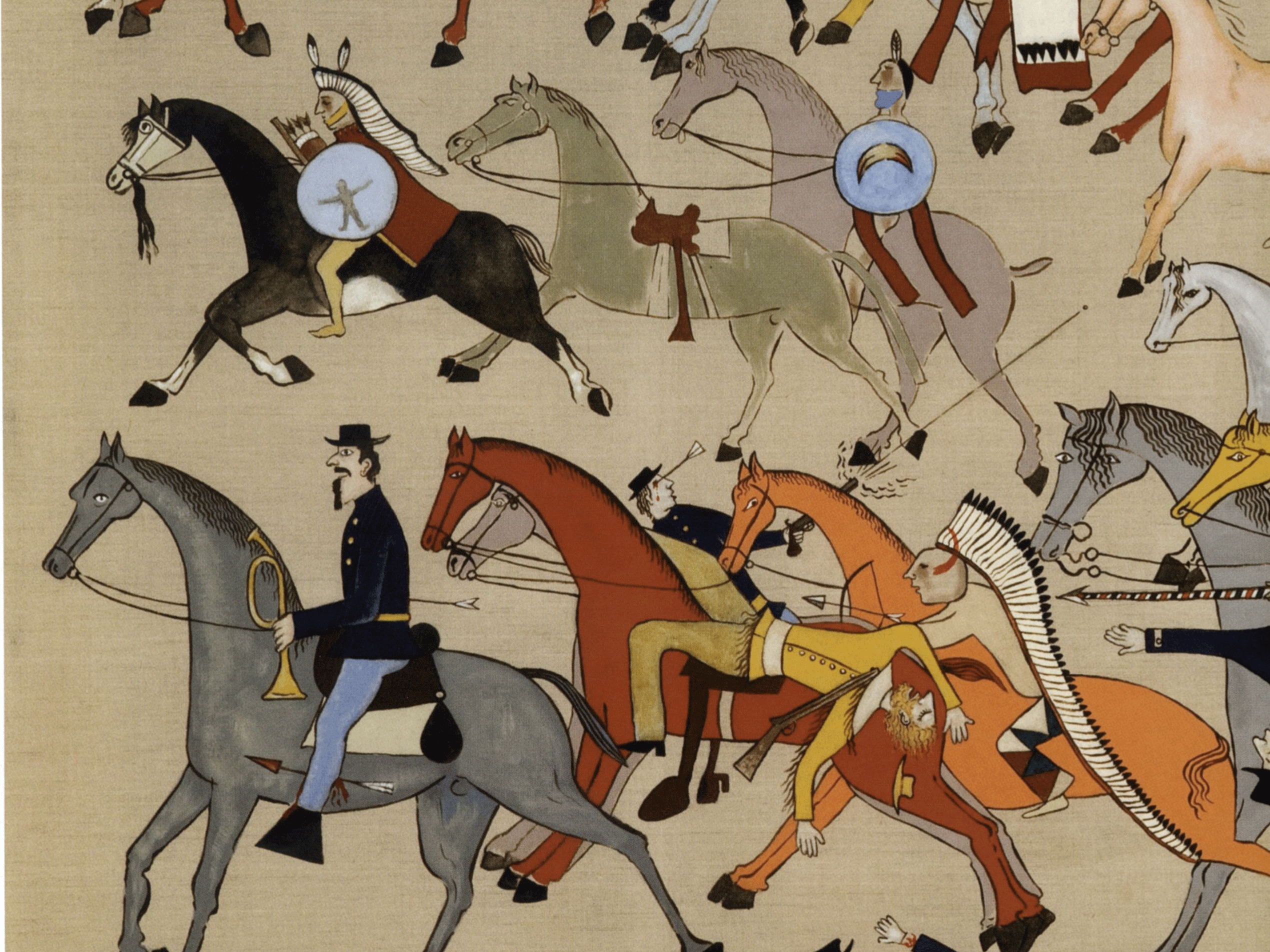
Catherine Giltrap recalls the dynamic influence of George Dawson in initiating the Modern and contemporary art collection at TCD 50 years ago.
“One of the great treasures of the Library in Trinity College Dublin are the Annals of Loch Cé which were compiled for Brian Mac Diarmada of Moylurg, Co Roscommon in 1588/89 and contain the history of the leading families in north Connacht from AD 1014. A portion of this original manuscript covering the period of 1568/90 found its way to the British Library in 1766 where it has remained ever since. Wouldn’t it be holy and a wholesome thought for some inspired authority to bring together the two manuscripts of these annals? Here, Bernadette Cunningham discusses the importance of the Annals of Loch Cé.”
Sphere within Sphere, newly gleaming and back on the podium of the Berkeley Library, is discussed by Catherine Giltrap, Curator of the Trinity College Art Collections
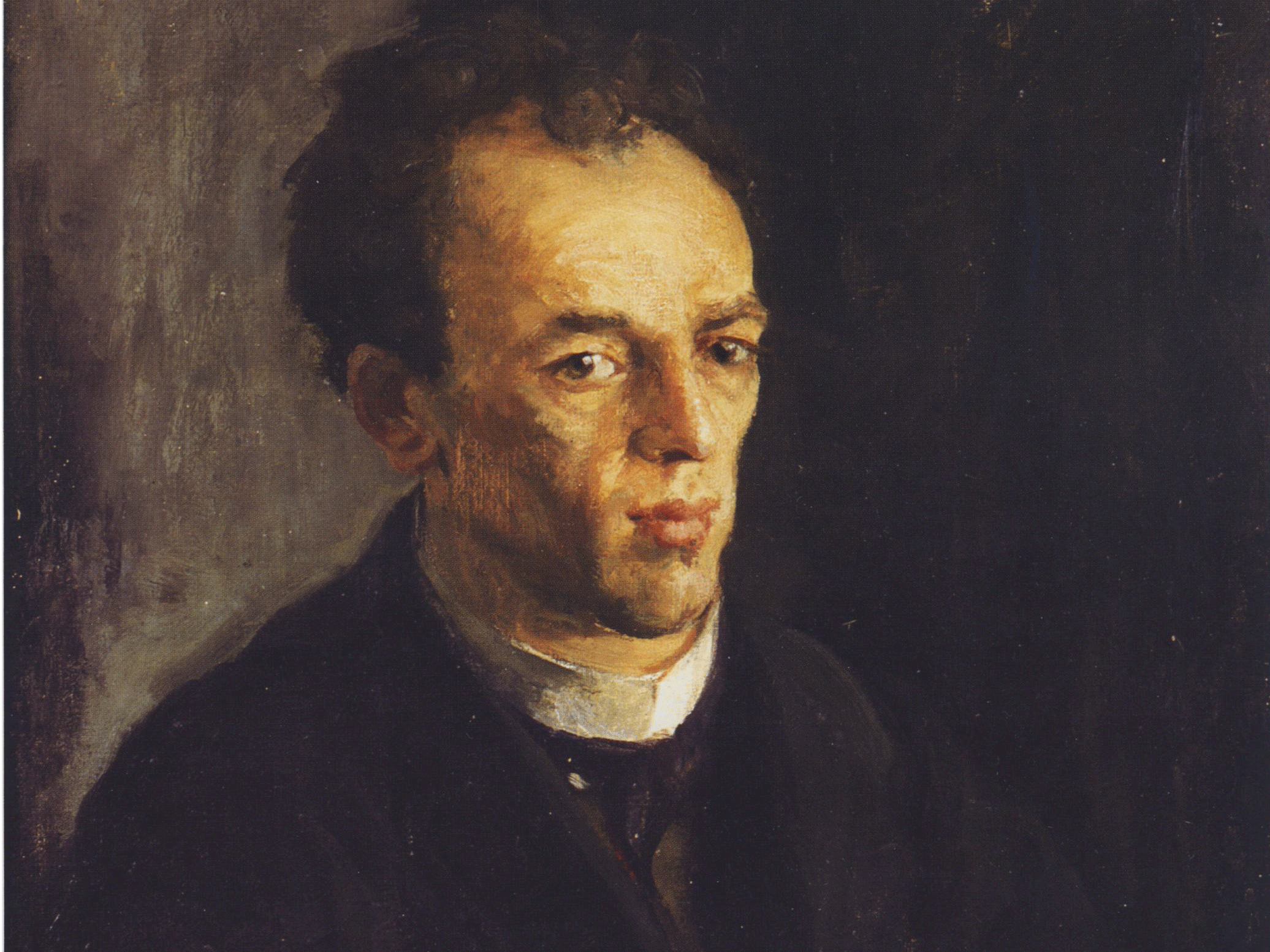
Hilary Pyle looks at the archive of papers and sketchbooks belonging to Estella Solomons preserved in the Manuscript Department of Trinity College Dublin

Can the pragmatic 21st-century East range at Trinity College Dublin match the 18th-century splendour of the West Front? James Howley appraises recent developments on the campus
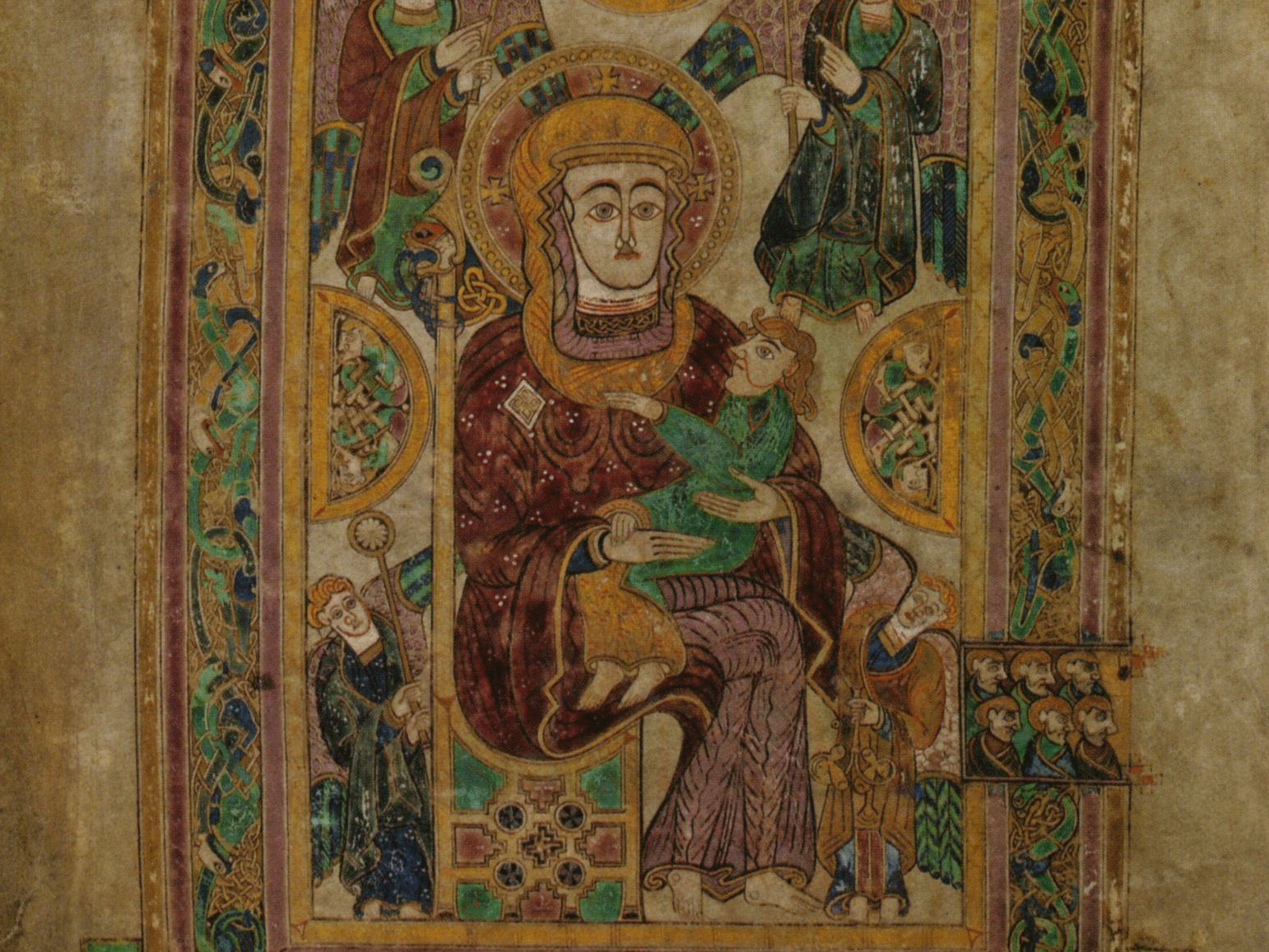
The realm of faith illustrated in the Book of Kells can be elusive to modern audiences; however, a new study by Bernard Meehan provides valuable insights into this peerless manuscript