
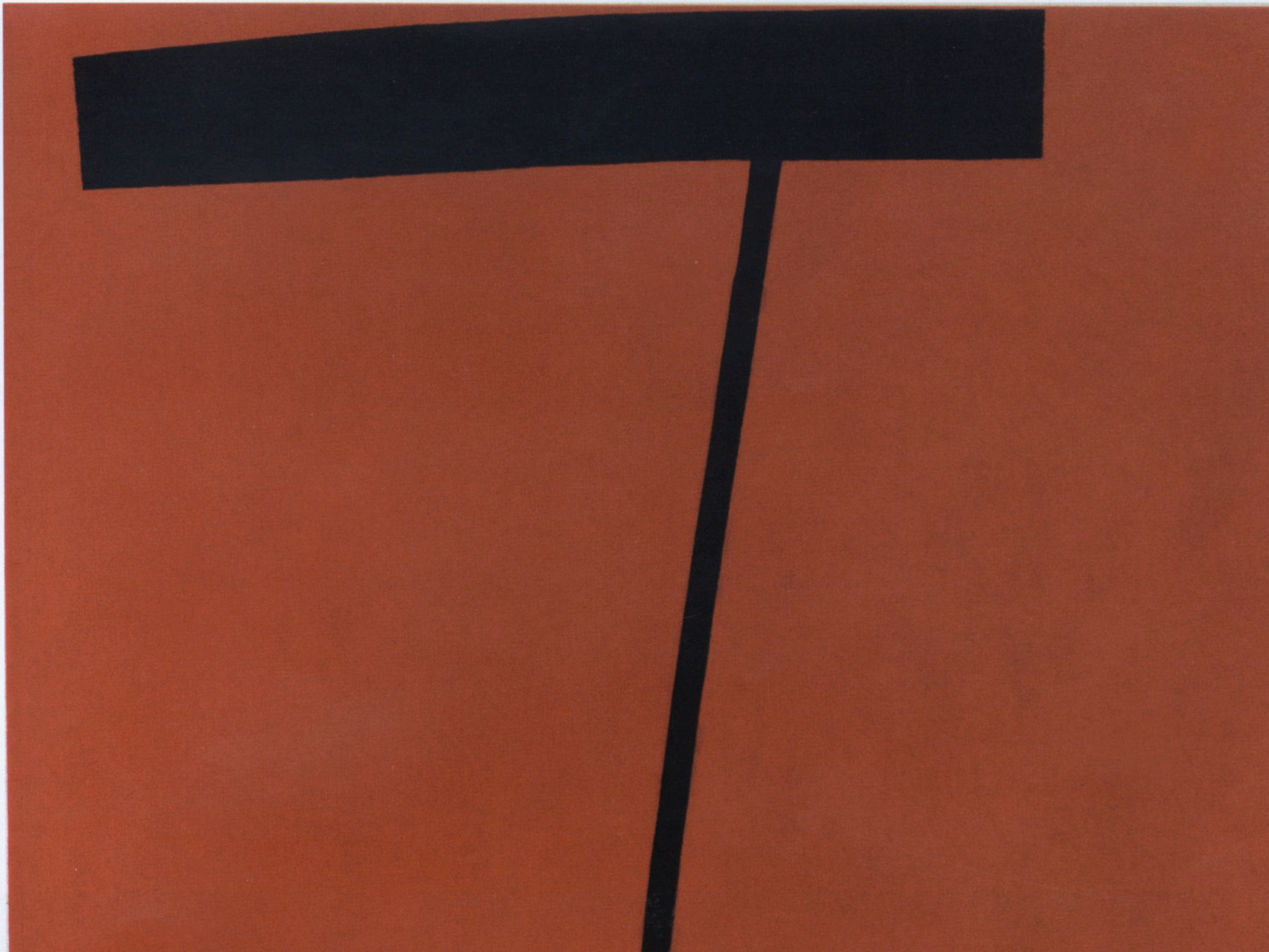
A desire for simplification and concentration inspired Munich-based James O’Connor to embark on his latest collection of work, an exhibition of which opens at the Taylor Galleries on 6 June
.
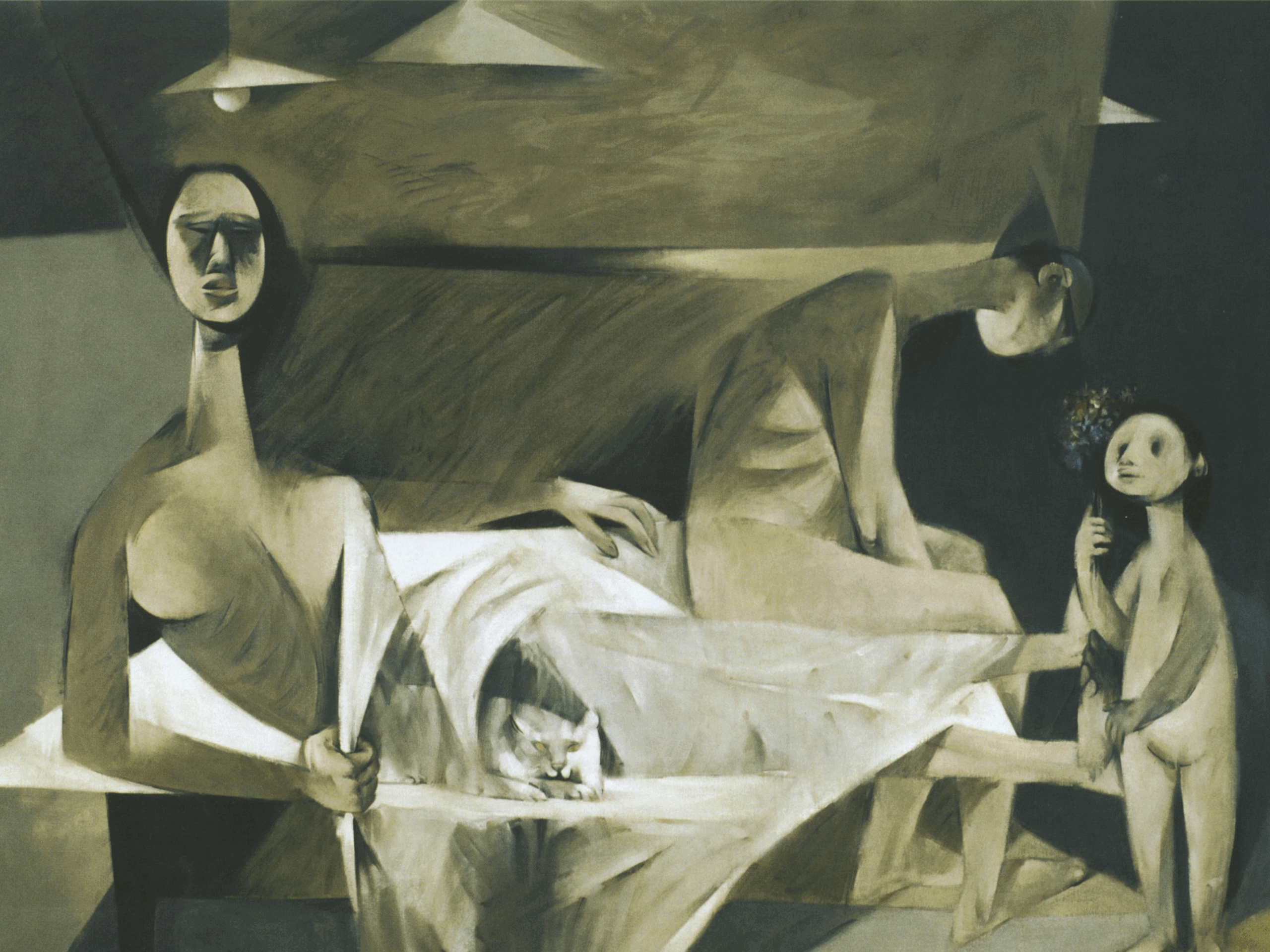
Le Brocquy’s early masterpiece acquired by National Gallery by Medb Ruane
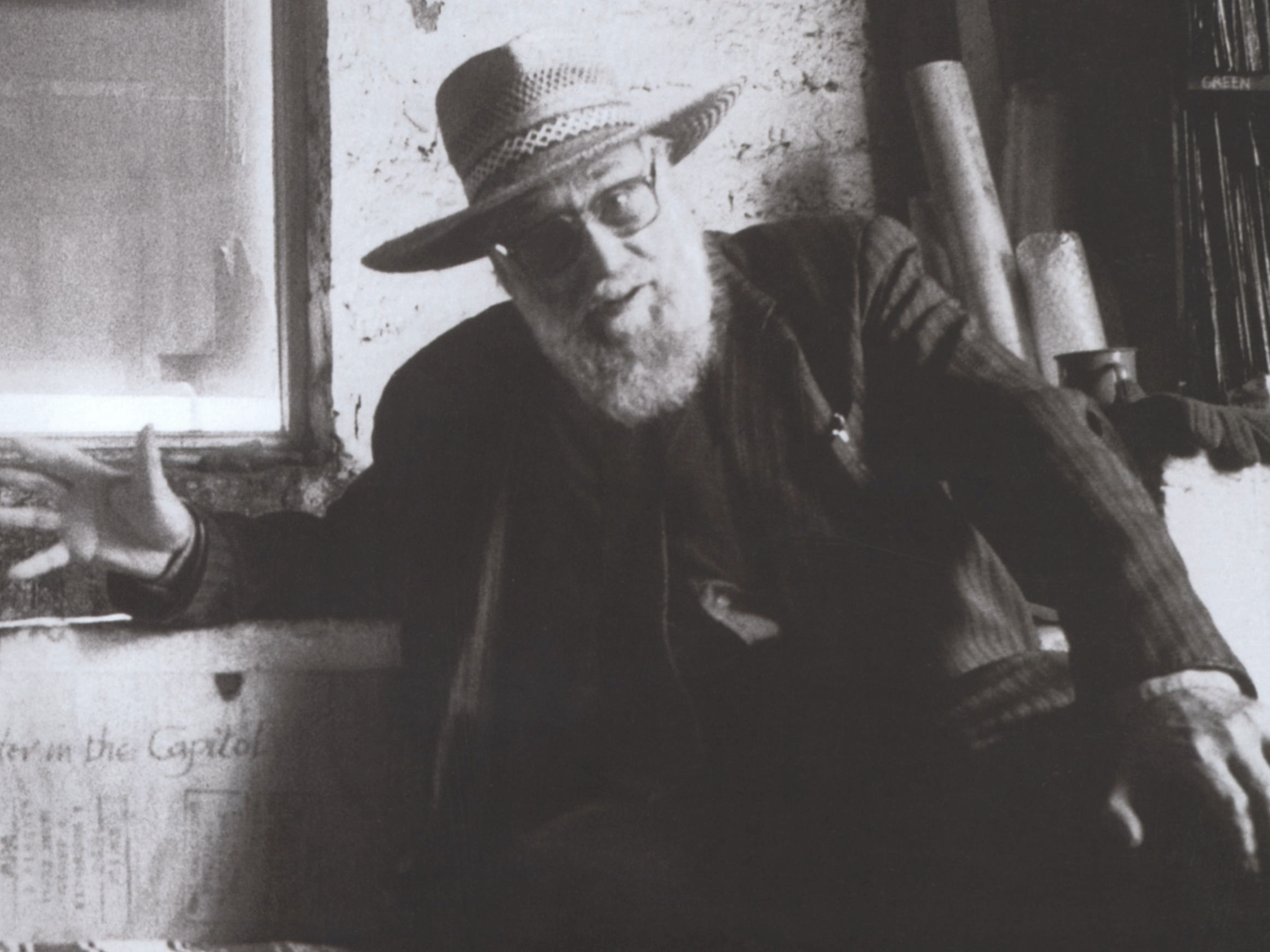
What separates us from our contemporaries Patrick Pye asserts, is that we believe that the work of art, a painting, is an artifice
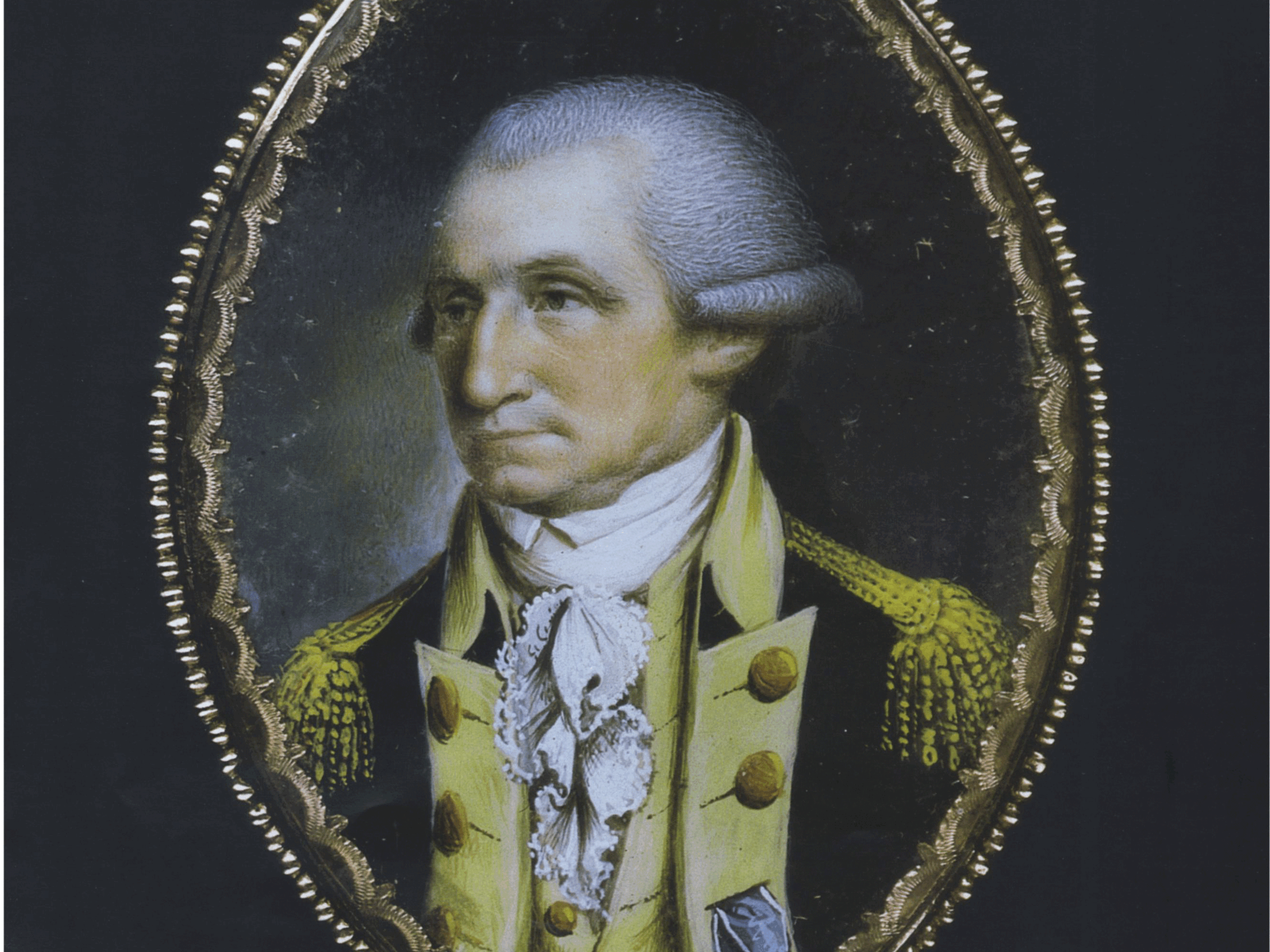
Paul Caffrey charts the extraordinary life and travels of Irish man John Ramage, 18th-century miniaturist, goldsmith, pastellist, socialite and bigamist, whose portrait of George Washington was sold last year in New York for $1.1 million
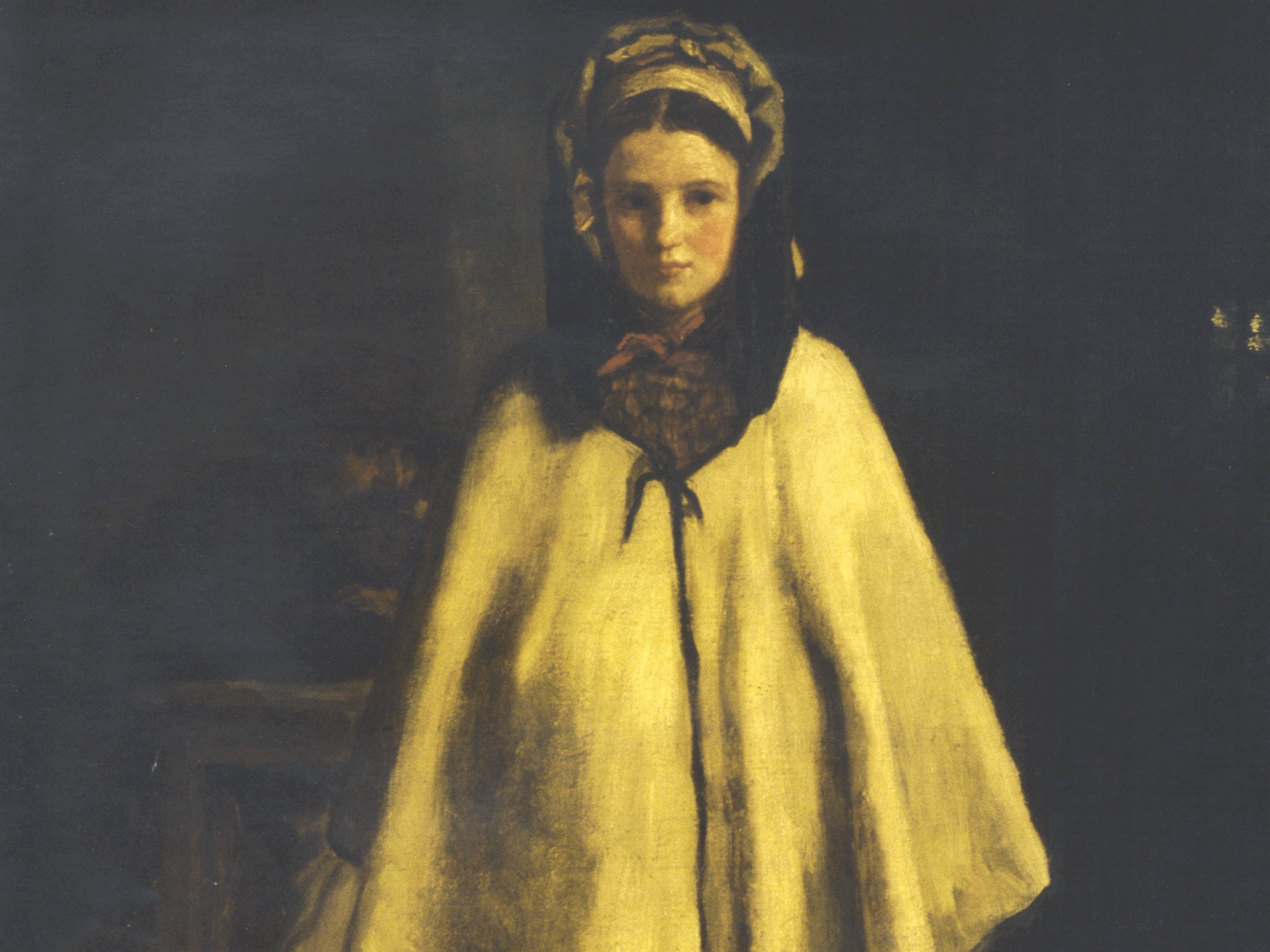
What strange twist of fate brought Nat Hone and Sobeslav Pinkas together in 1857 to paint the same shepherdess near Fontainebleau? Julian Campbell offers an explanation
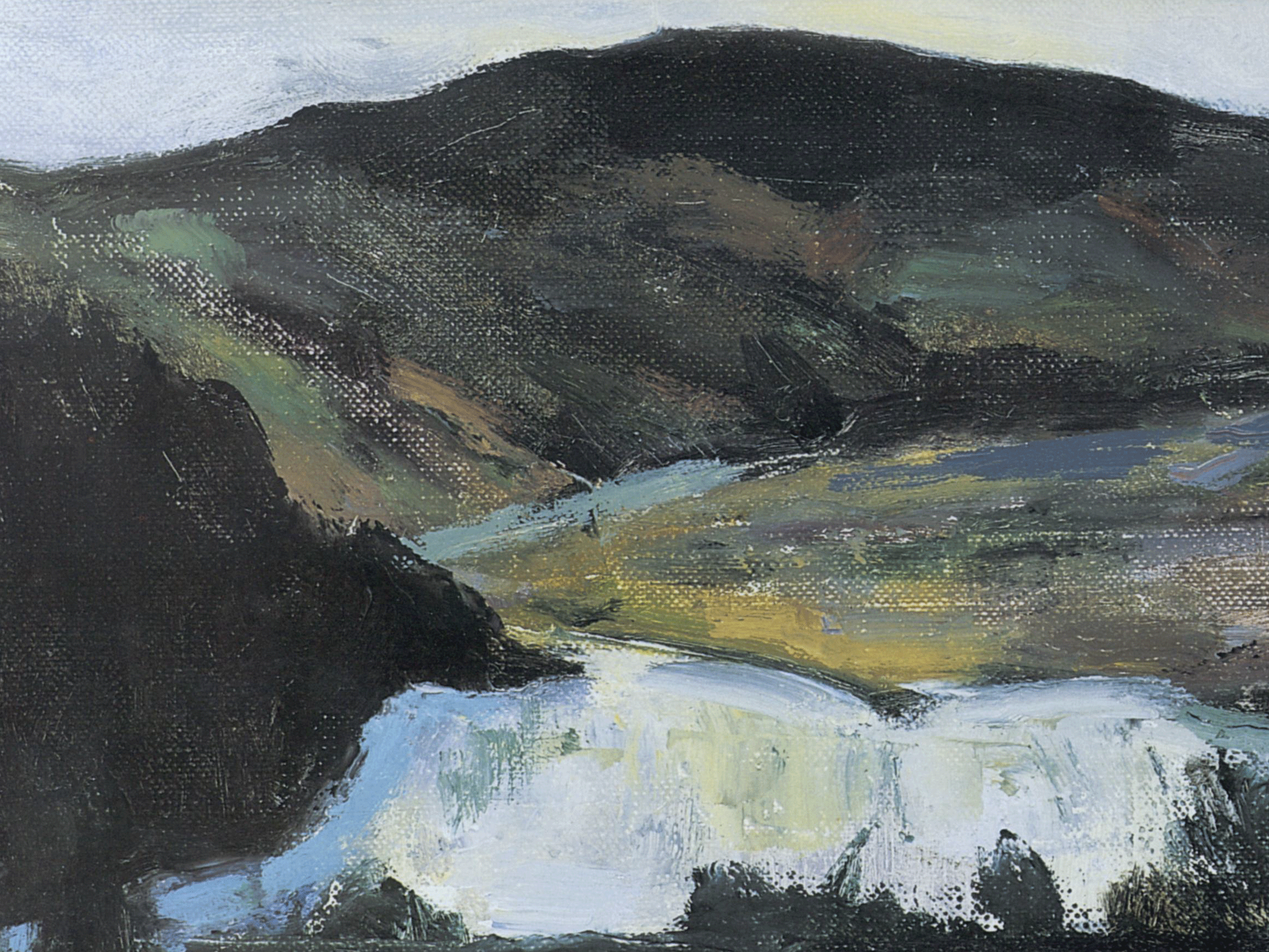
Paul Spellman examines the career and work of Peter Collis RHA who is exhibiting a collection of recent paintings at the Solomon Gallery from 11 November
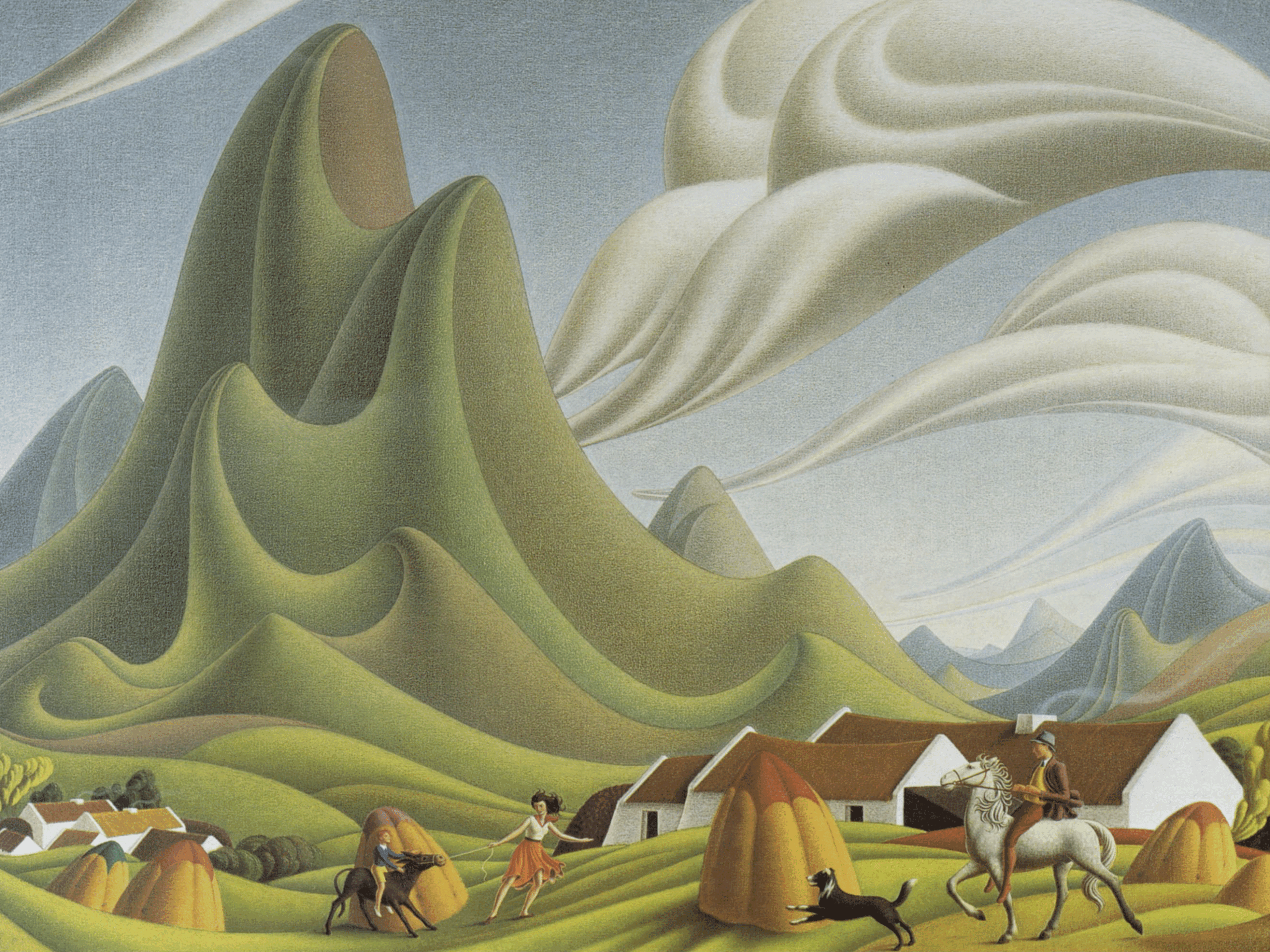
The intense colouring and poetic lyricism of John Luke’s tempera paintings link him with a time when artist and craftsman were one. Martyn Anglesea assesses this unique painter
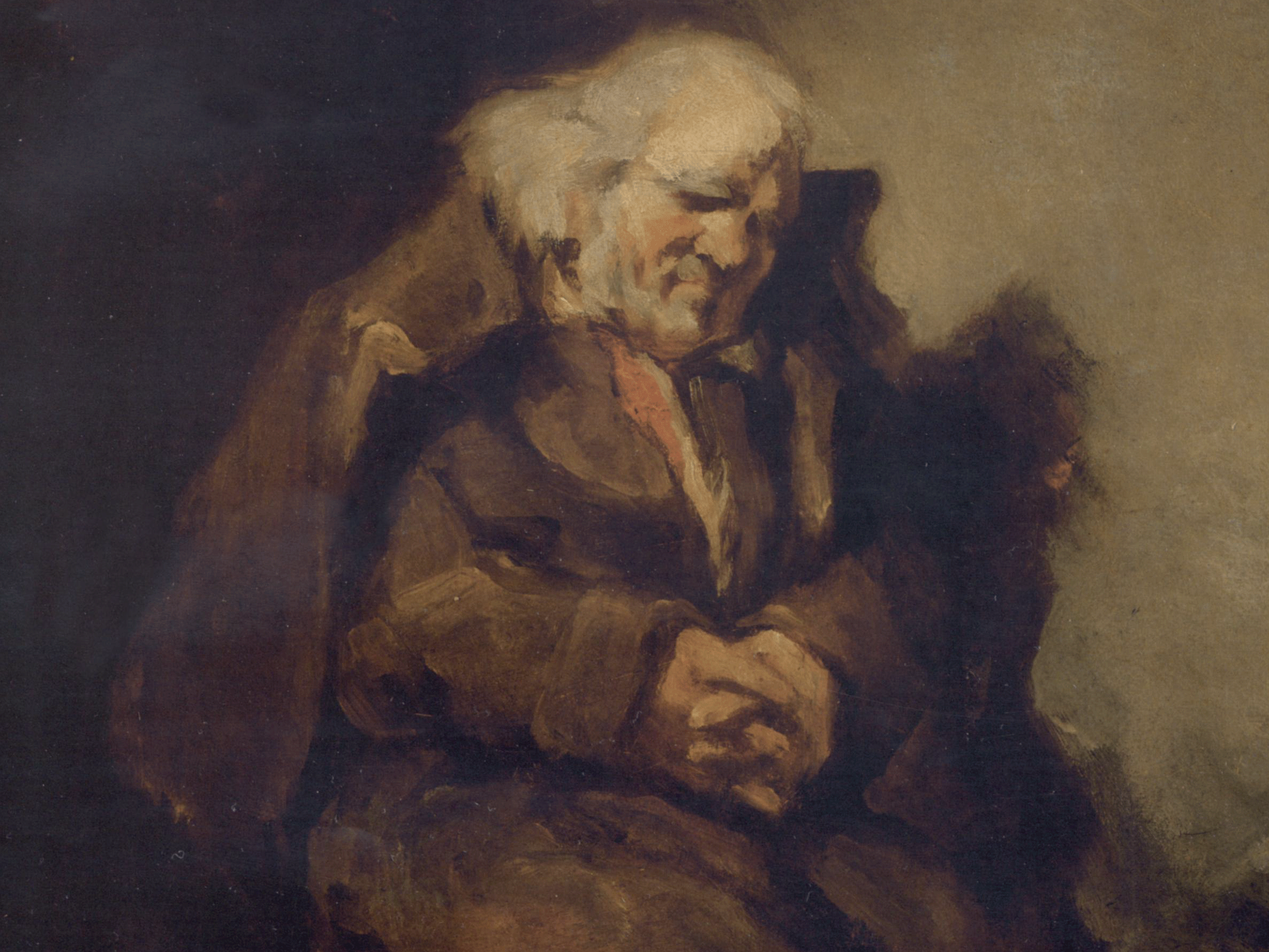
Eccentric 19th-century genre painter or the first Irish Realist? Julian Campbell considers forgotten Irish artist George Sharp, in this his bicentenary year
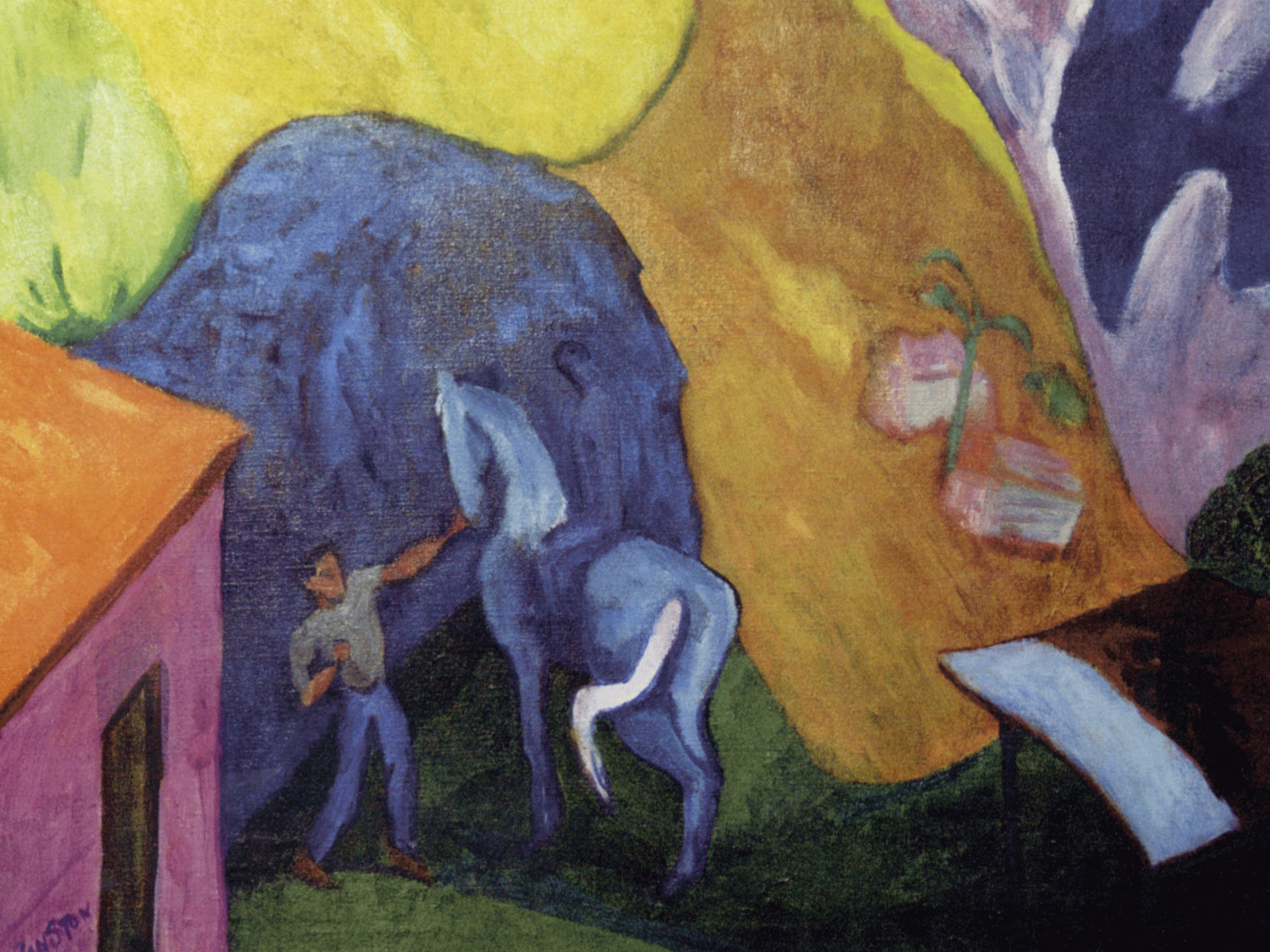
Brian Fallon recalls the eventful life and career of Dairine Vanston, a talented painter for whom commercial success remained sadly elusive
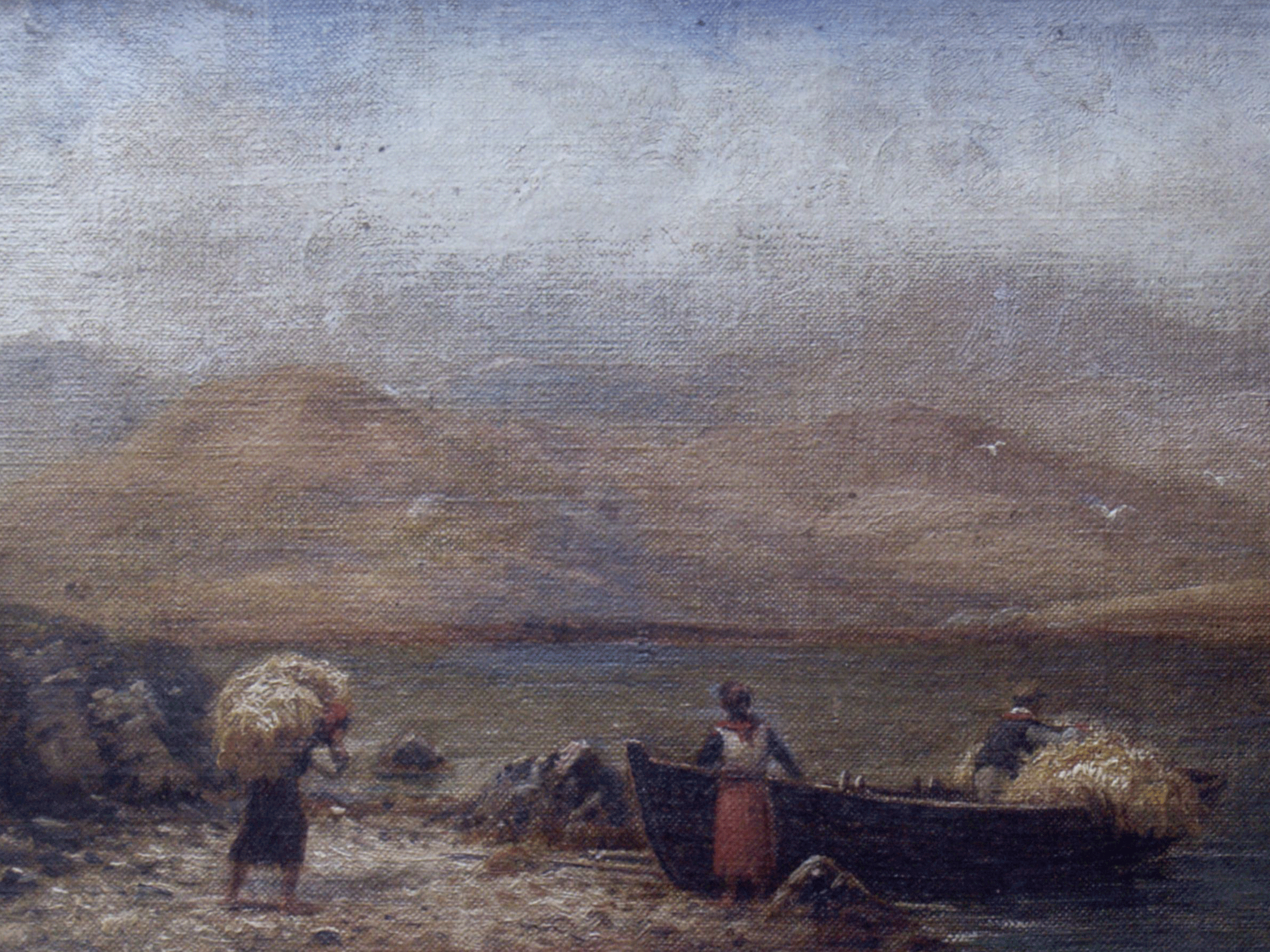
Paul Henry and his wife Grace lived and painted on Achill for almost seven years in the early part of the 20th century. But the landscape and maritime painter Alexander Williams (1846–1930) long predated the Henrys on Achill and fortunately kept a voluminous record of his experience as Gordon Ledbetter recounts
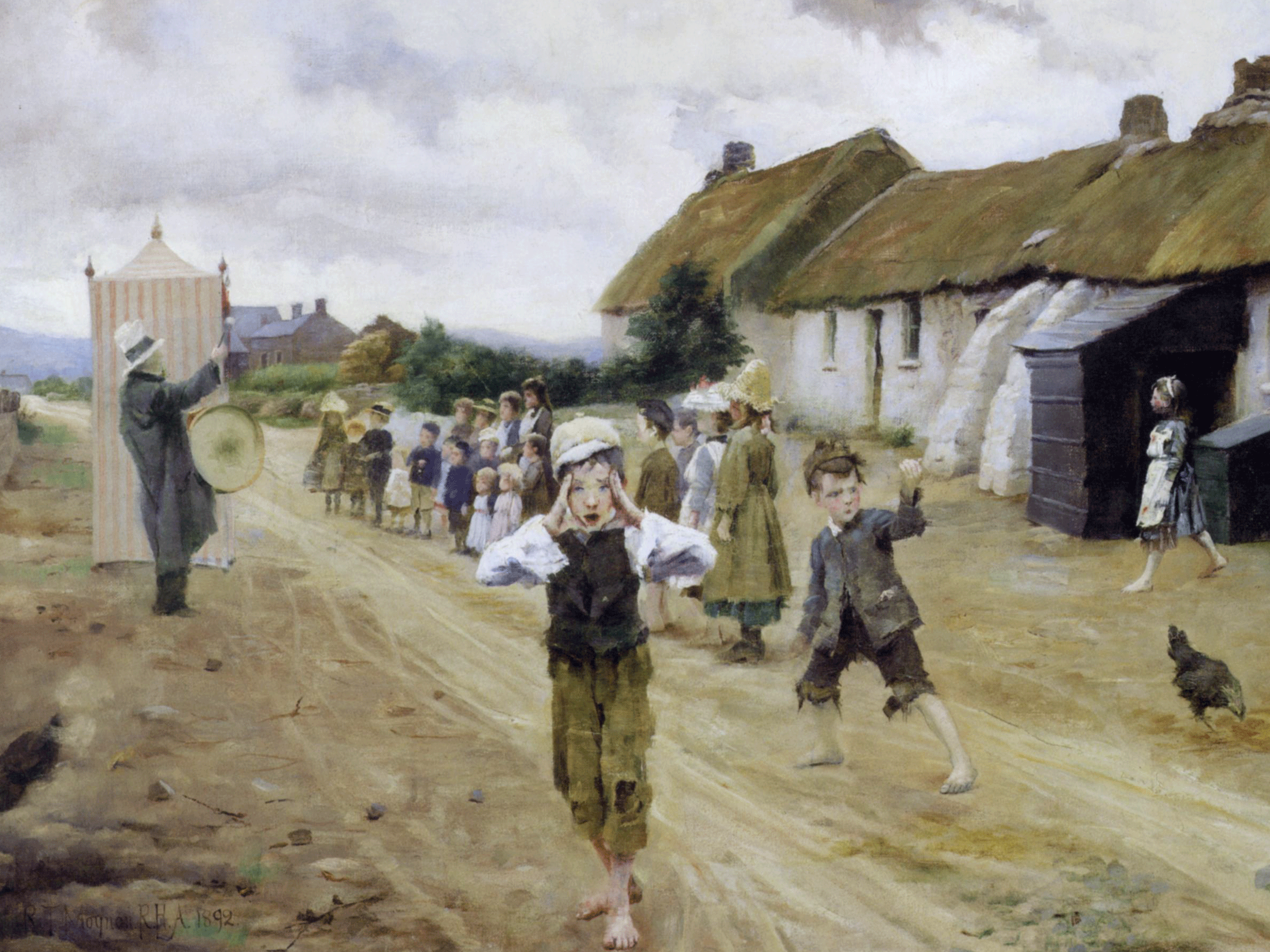
Maebh O’Regan investigates the career of Victorian artist Richard Moynan, who is currently enjoying a resurgence in the Irish art market
Brian Crowley discusses Iosagán, a painting by Beatrice Elvery designed to instil nobility in young minds
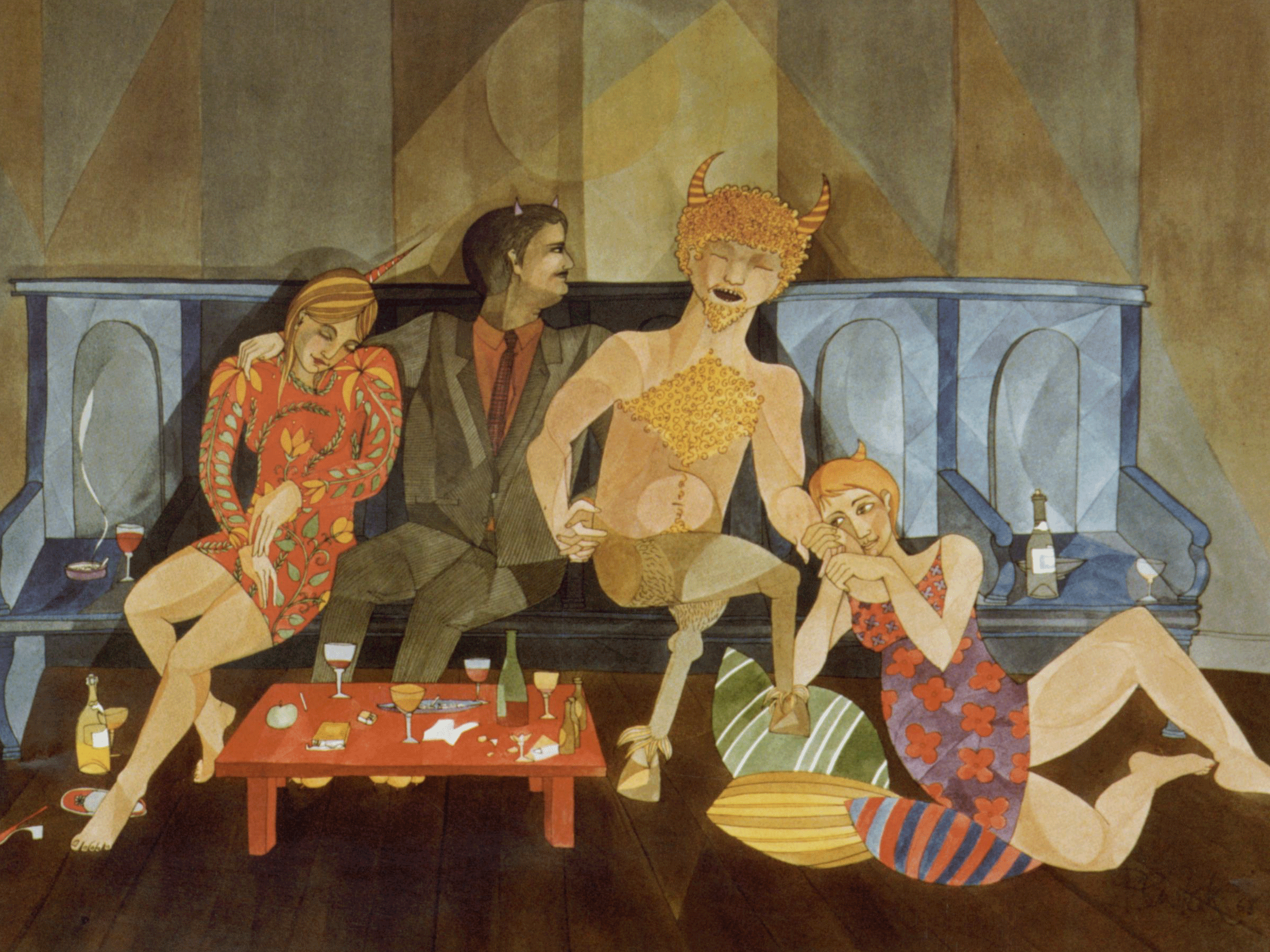
Humour, sensuousness and a wild imagination characterise Pauline Bewick’s best work, writes Alannah Hopkin
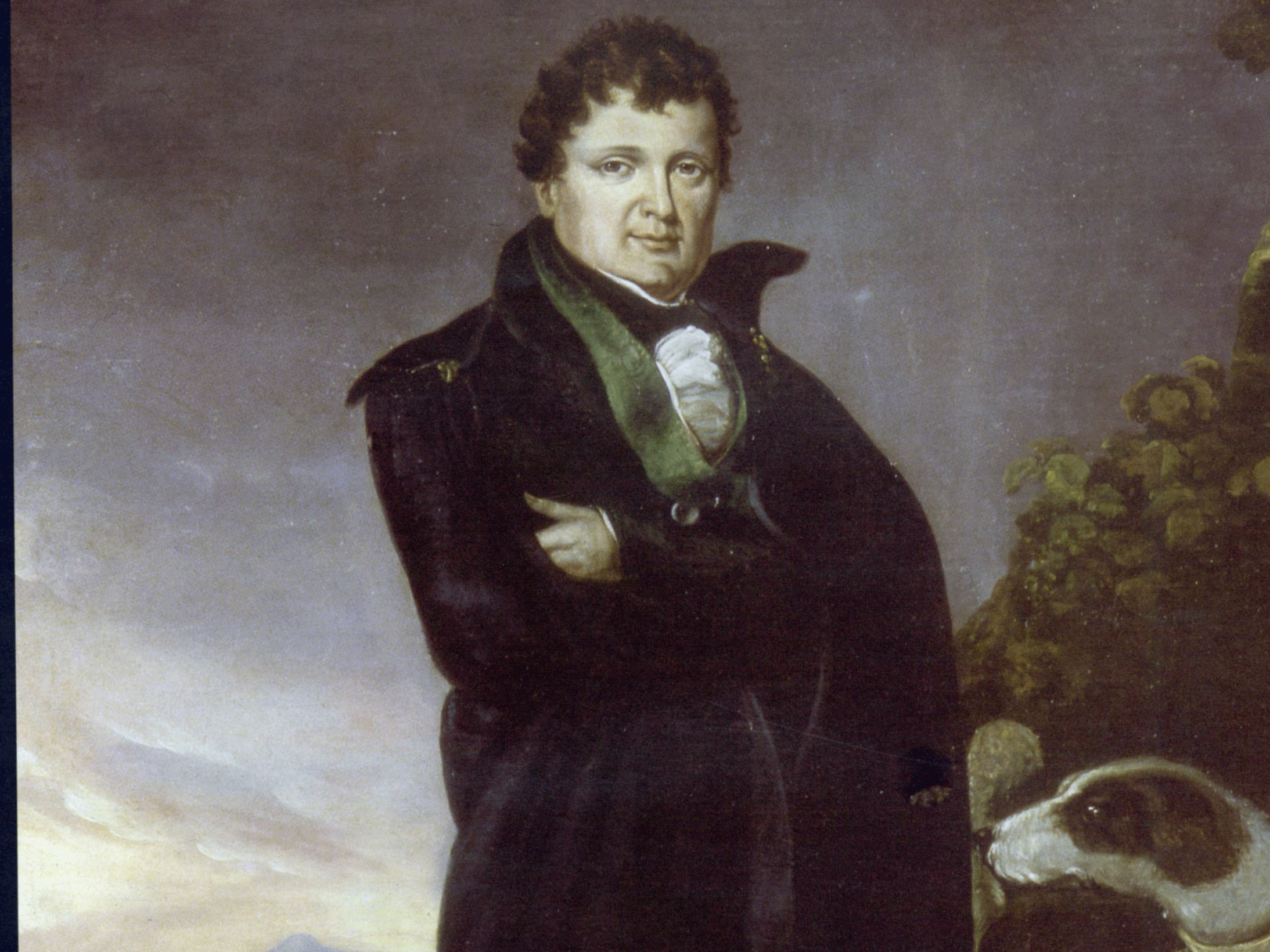
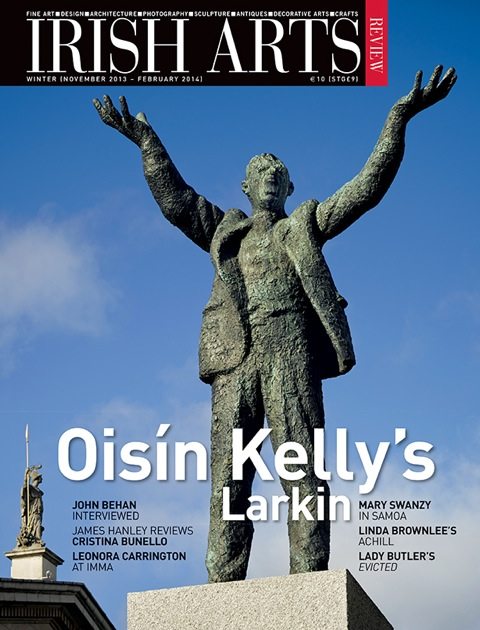
Ruán O’Donnell explores the creation of a public persona through the varied depictions of Ireland’s most recognisable political leader
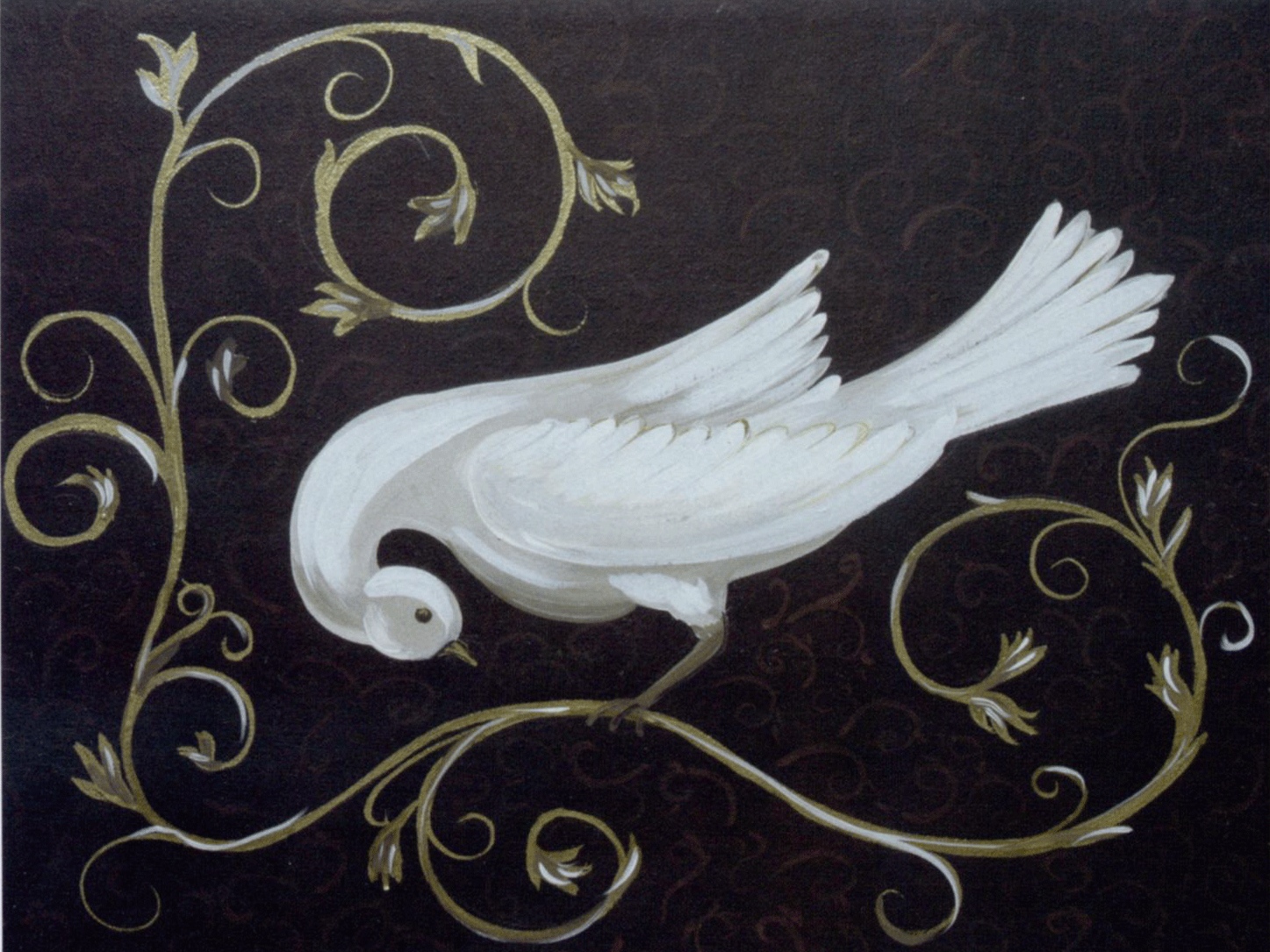
Peter Pearson discusses the skillful painting techniques employed by Michael Dillon, Jane Willoughby and Patrick Fitzgerald, practitioners of an art form that began with cave painting
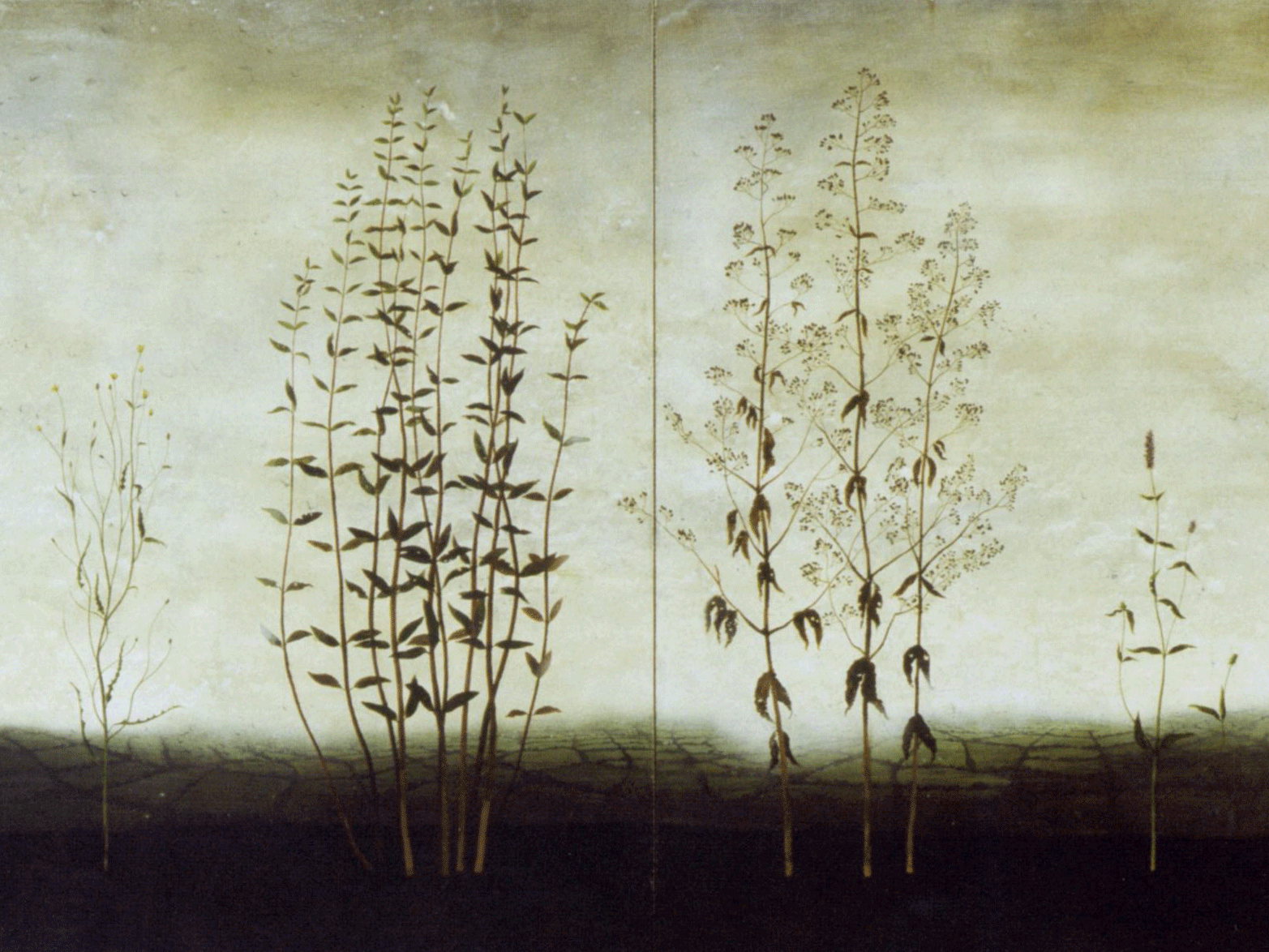
Paul O’ Reilly places Michael Canning’s painterly ‘elegies’ in the context of so-called post-modernism and its legacy
Somewhere, in some place, in some discipline there may be evidence that the 21st century has really begun, has actually broken away and left the 20th century behind in the dust of progress. It’s debatable. But there is little evidence that this has happened, or is soon to happen in the field of contemporary art
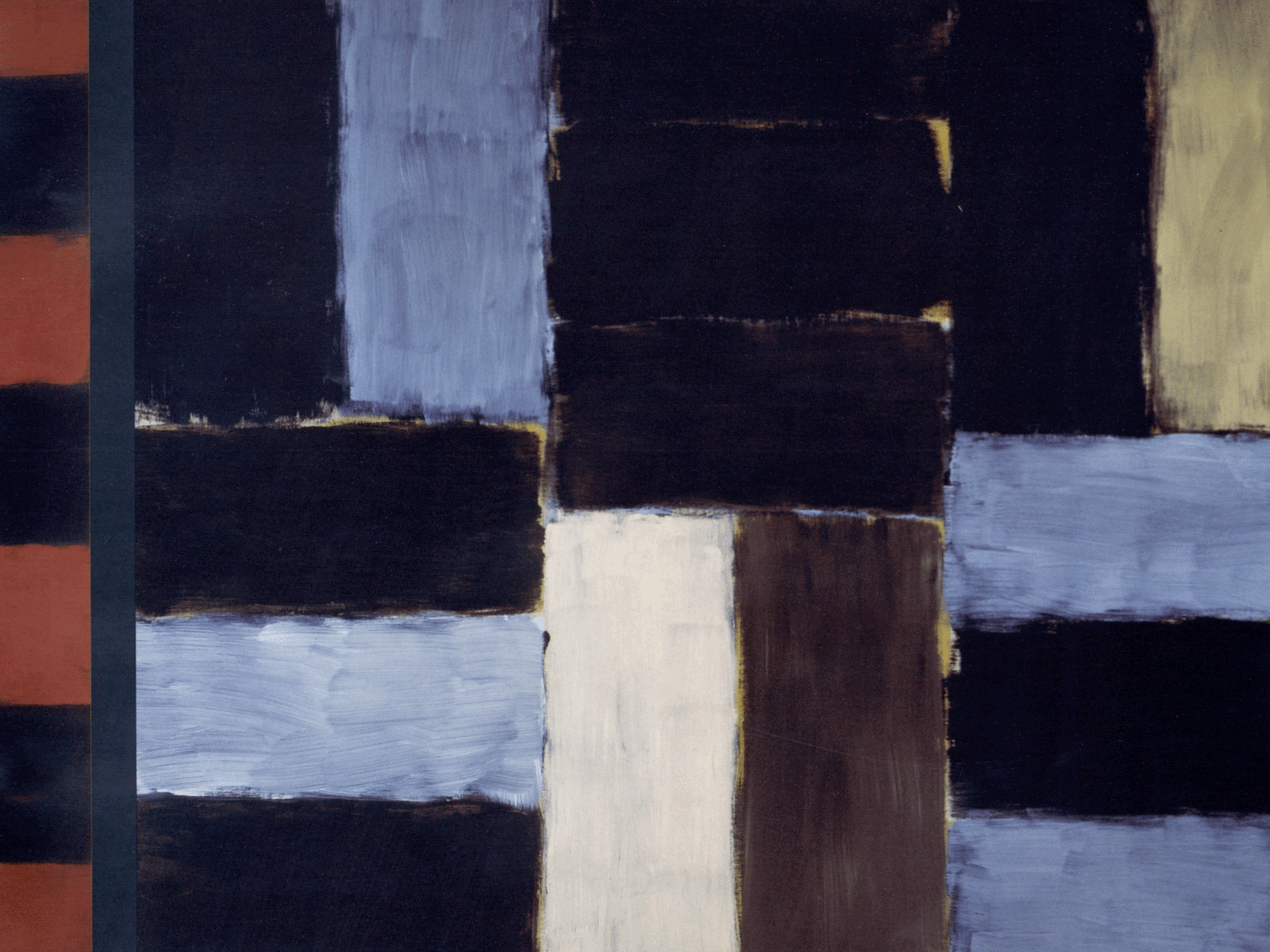
Sean Scully’s practice aligns itself with the tenets of the Abstract Expressionists — that painting can convey spiritual immanence using abstract means; Brian P Kennedy considers this argument, ahead of the unveiling this spring of the Scully room at Dublin City Gallery The Hugh Lane
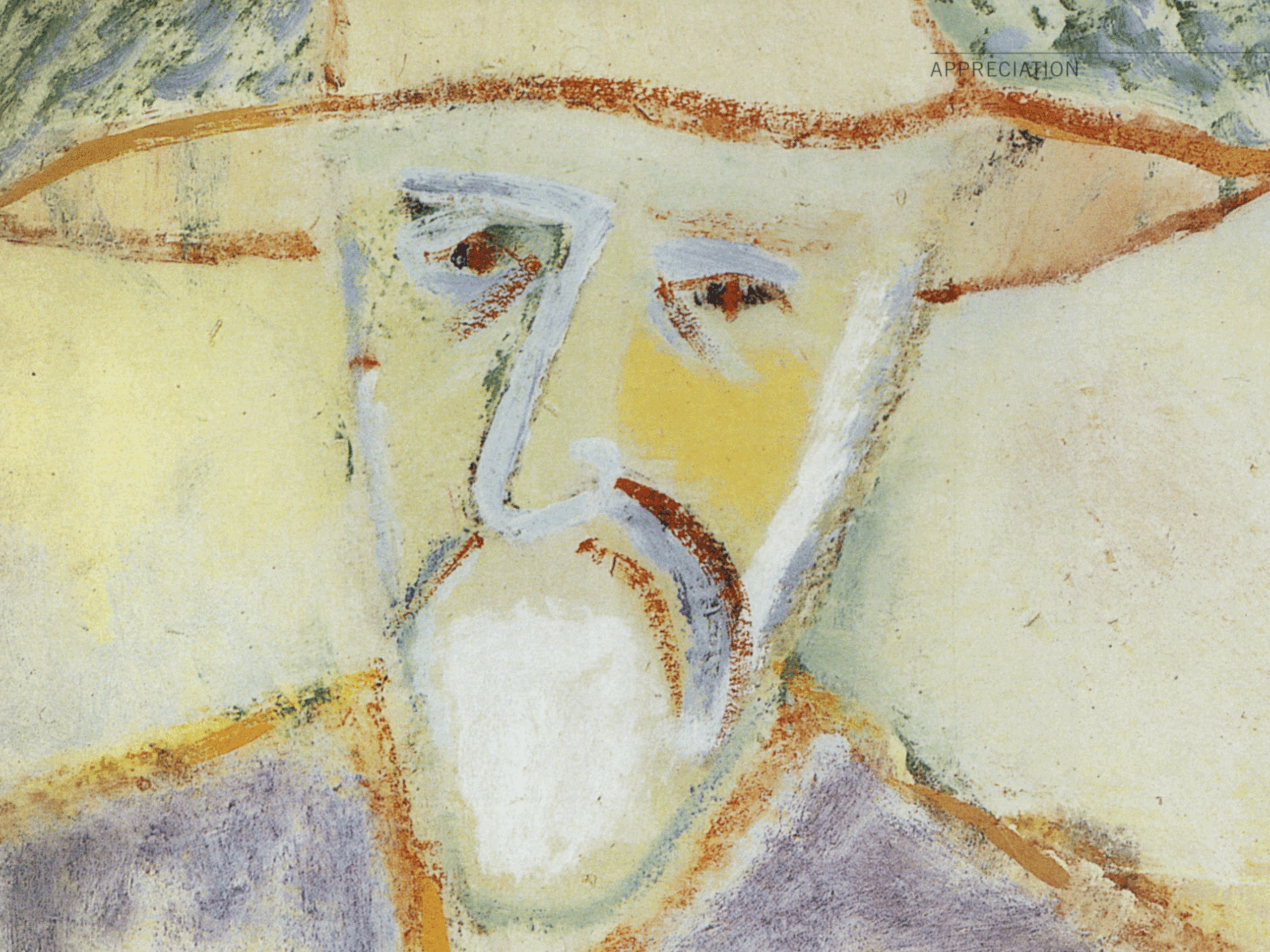
Tony O’Malley 1913–2003 is remembered by Brian Lynch
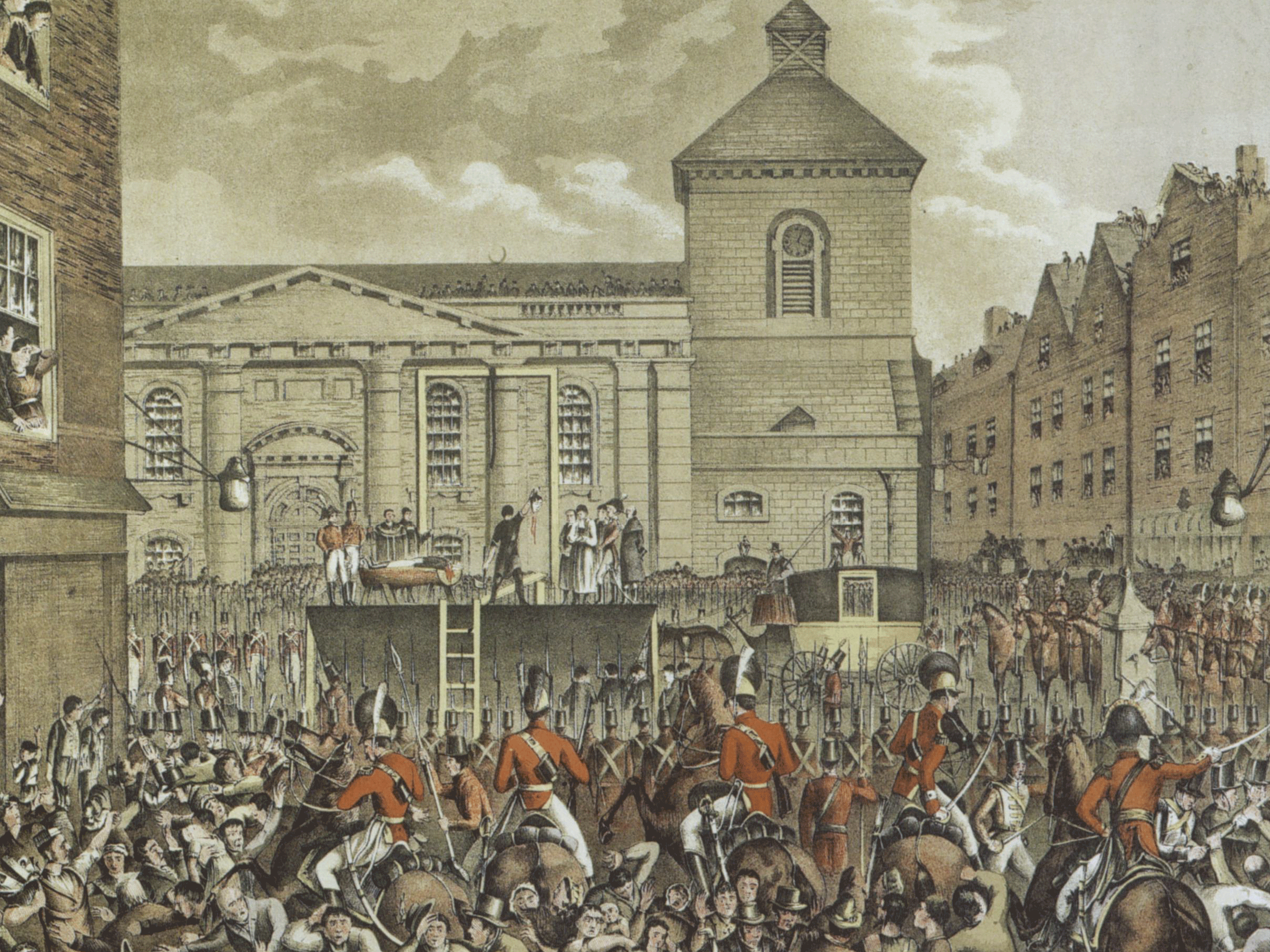
The 23 July 2003 marks the bicentenary of Robert Emmet’s aborted Rising and execution. Immortalised by Thomas Moore’s lyrics, he was a leading icon in popular culture during most of the 19th century, as as Ruán O’Donnell reports
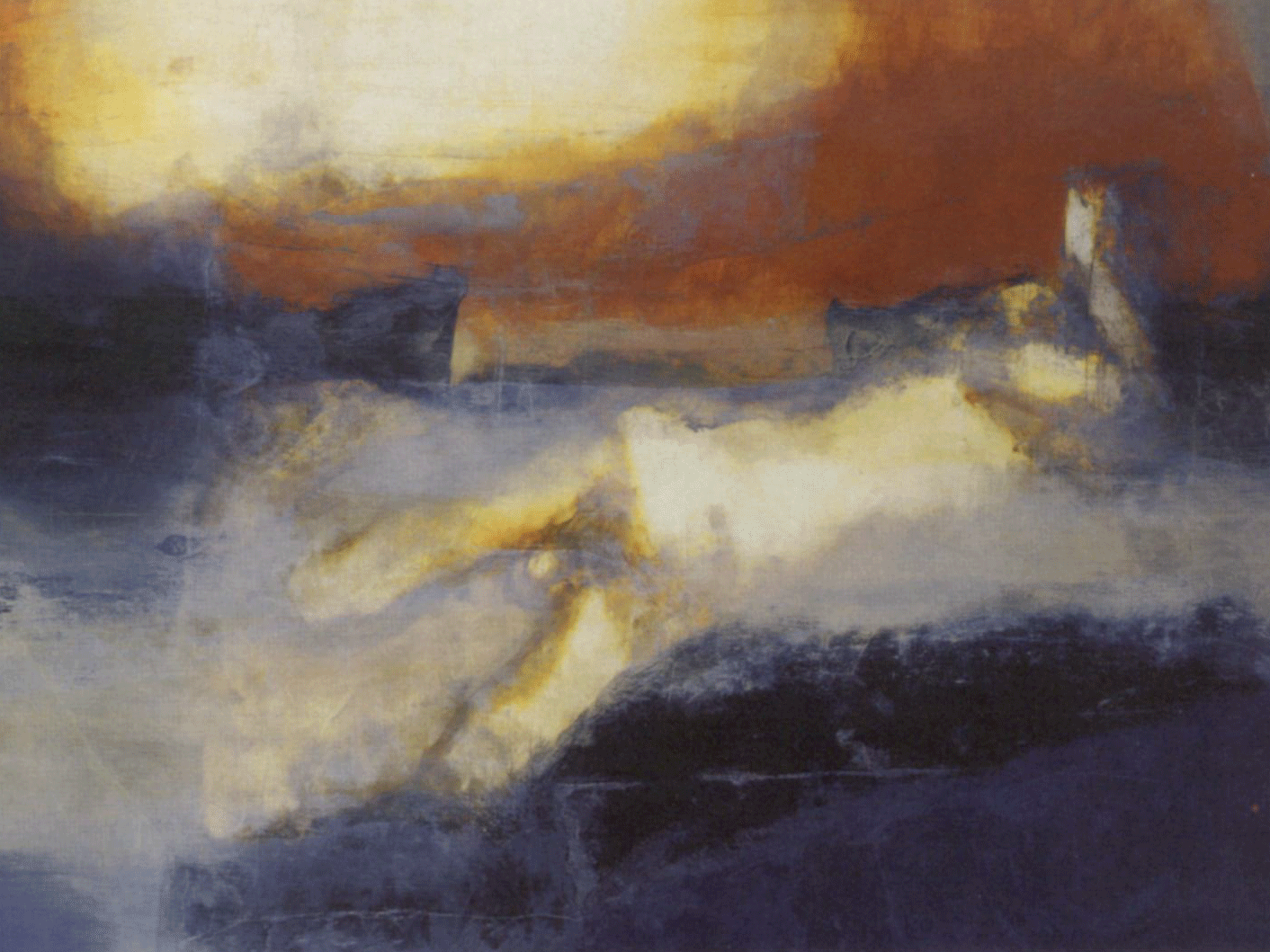
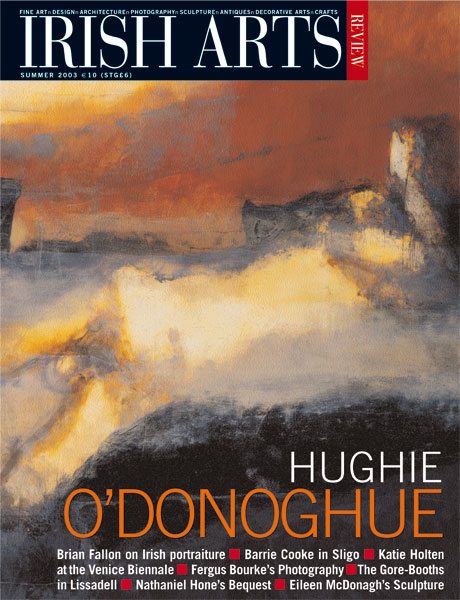
First profiled in Irish Arts Review in 1991, Hughie O’Donoghue acknowledges the important contribution made by art history on his work to Marianne O’Kane
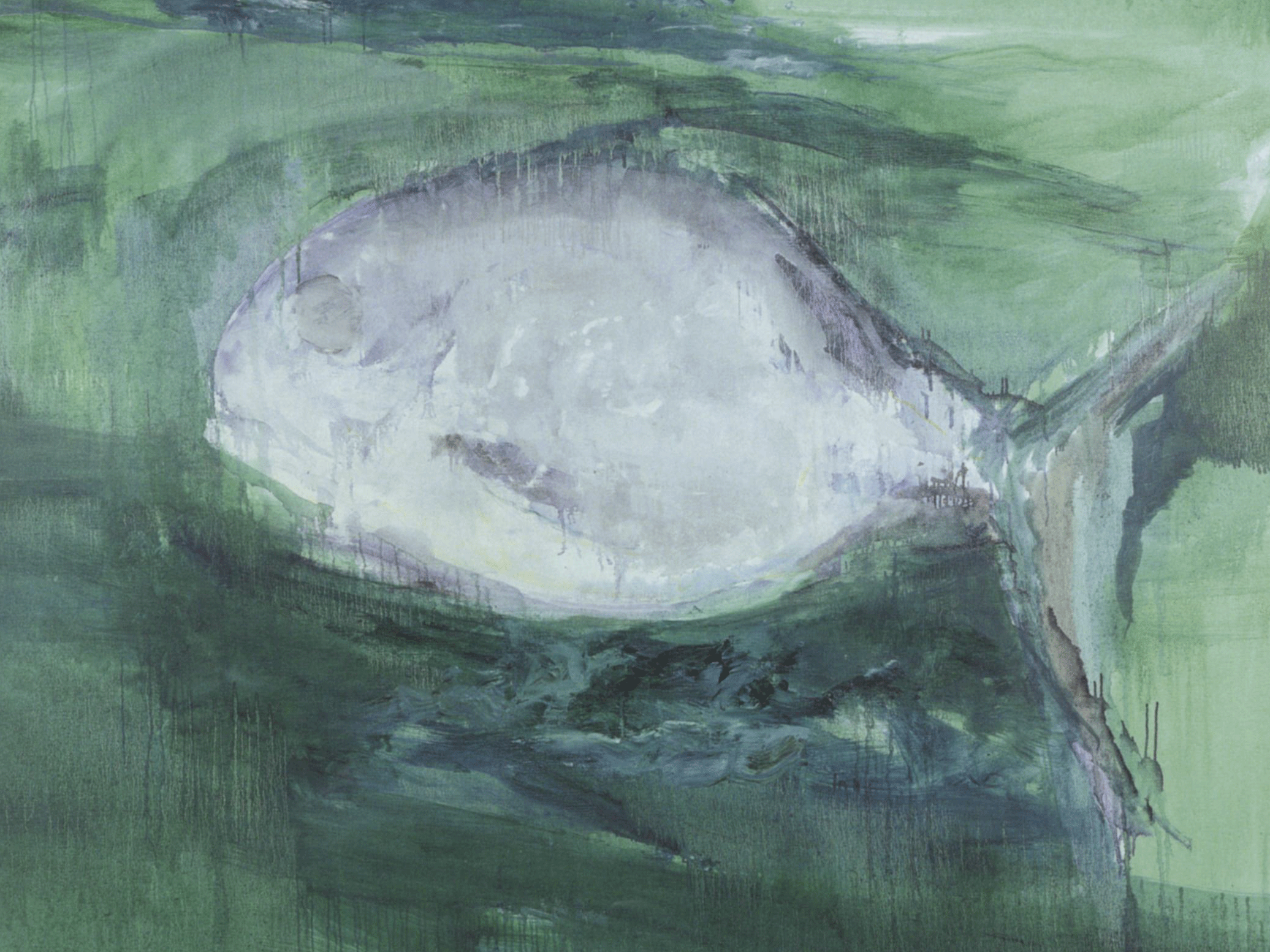
‘Living in Ireland has been very positive for me’, Barrie Cooke tells Brian McAvera ahead of his major exhibition at the RHA in September
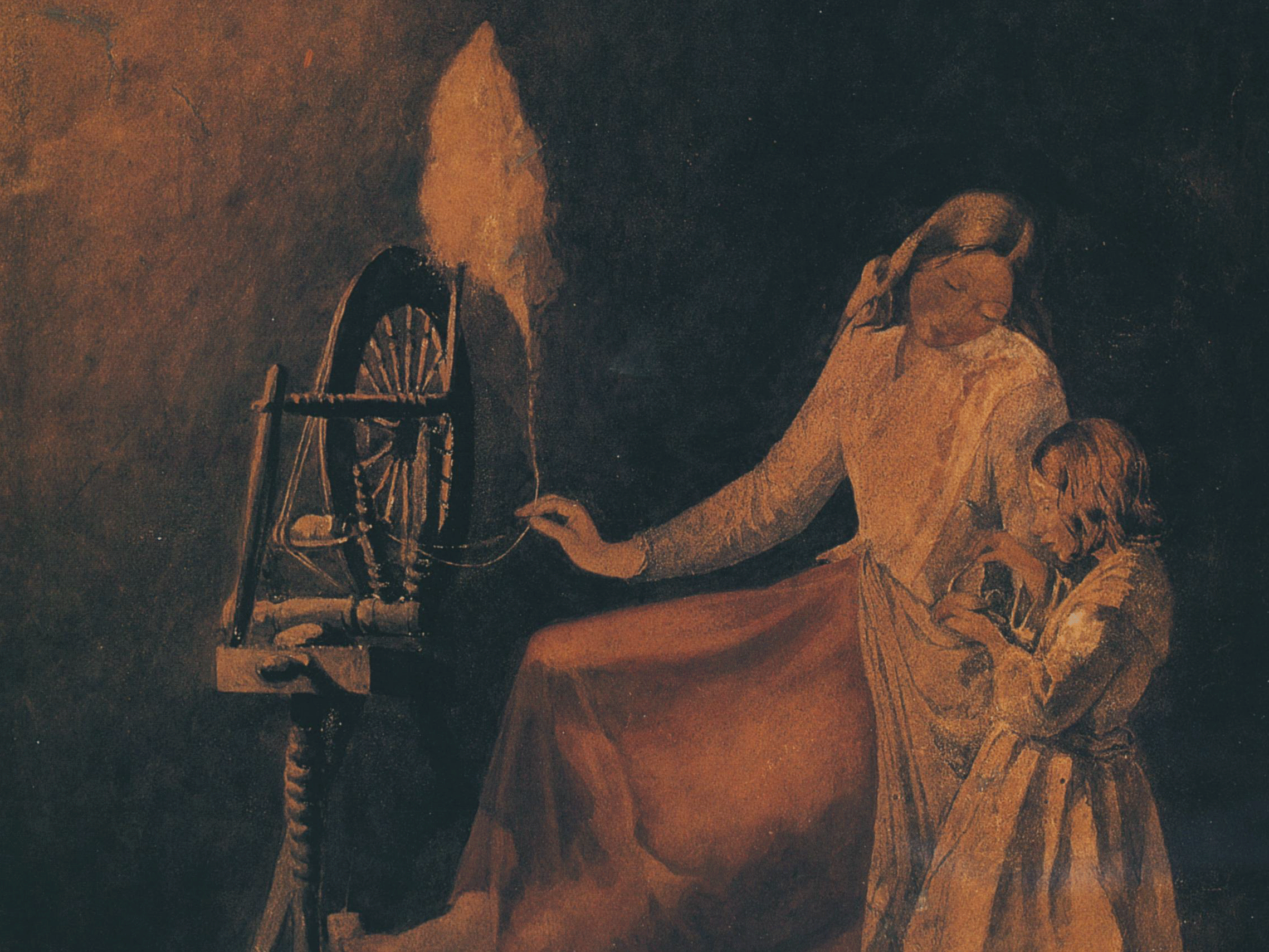
Marion McEnroy introduces the paintings of an early 19th-century Galway artist
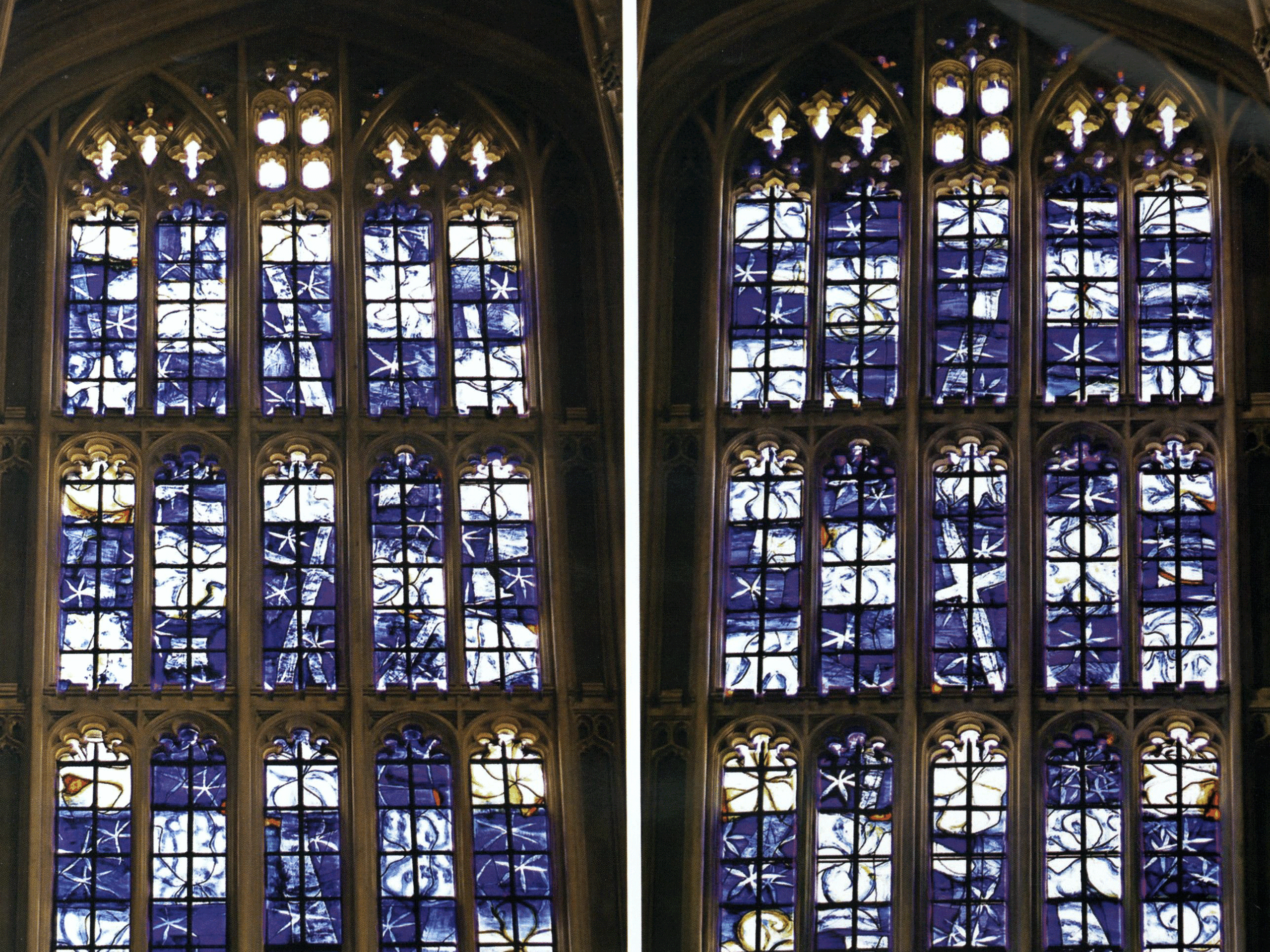
Hughie O’Donoghue’s commission for the Lady Chapel at Westminster Abbey by Peter Murray
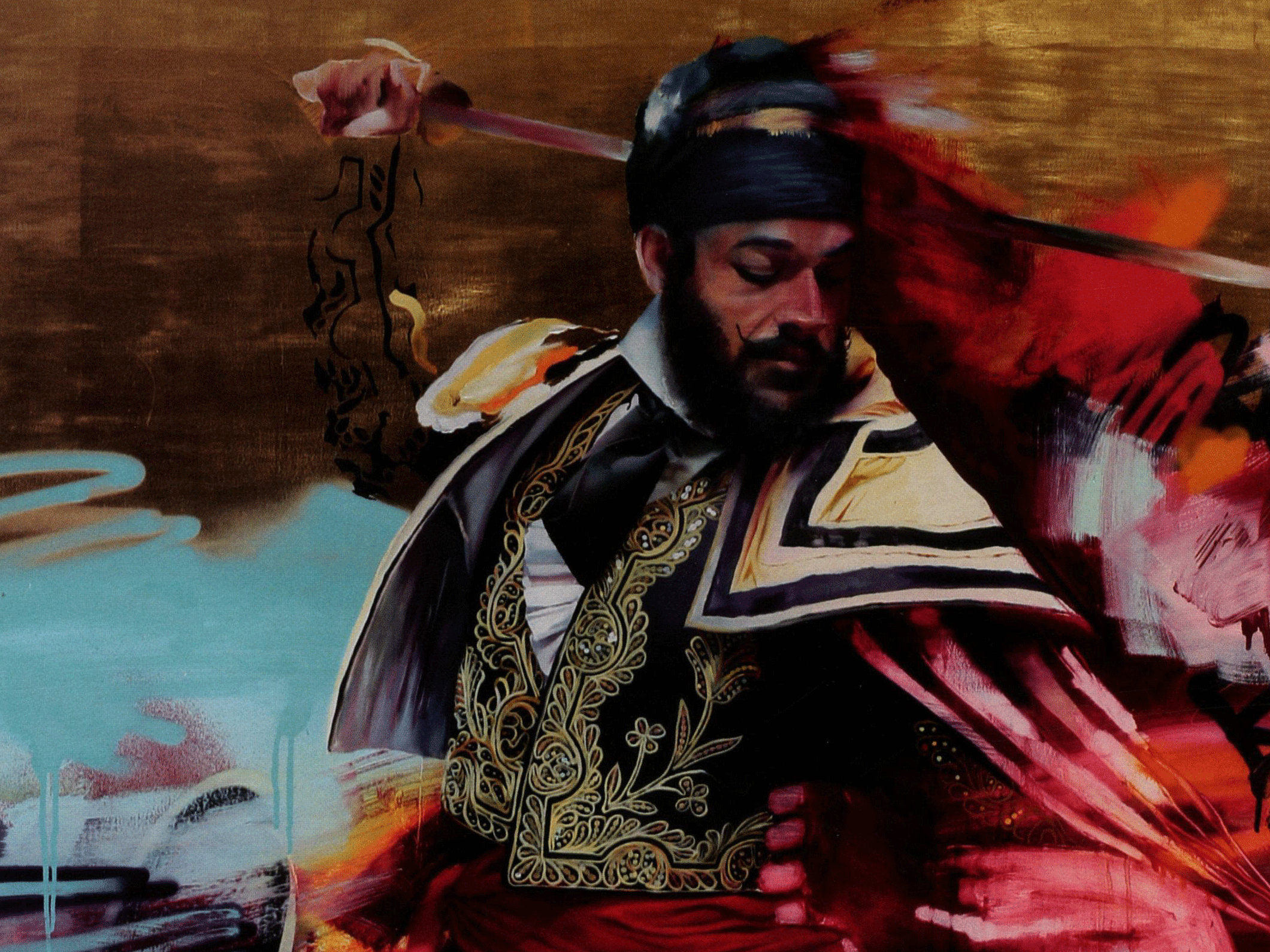
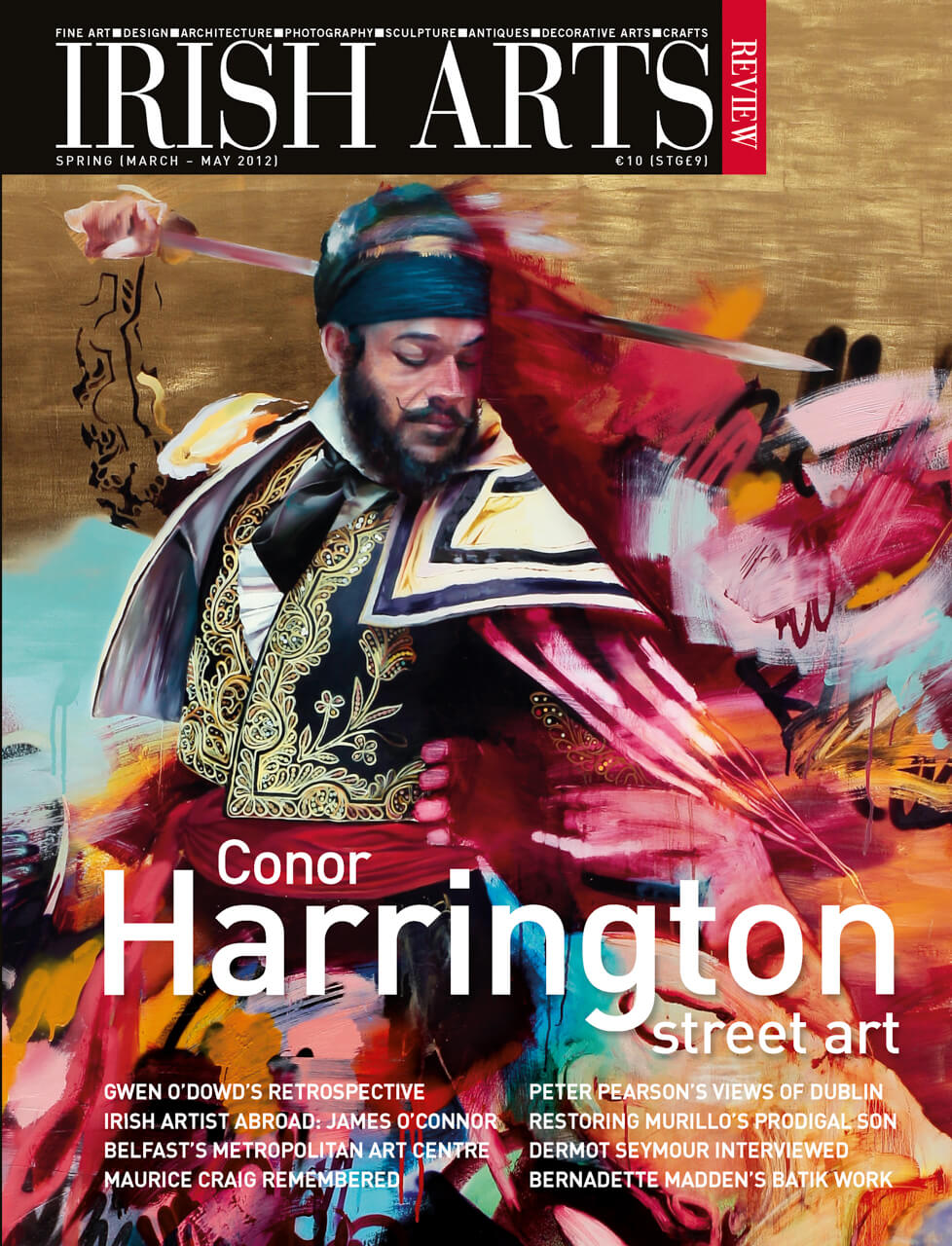
Is street art anti-social behaviour or has it been transformed into a vital and socially-engaged practice that reclaims our urban environment?
Silvia Loeffler considers the politics of visual expression
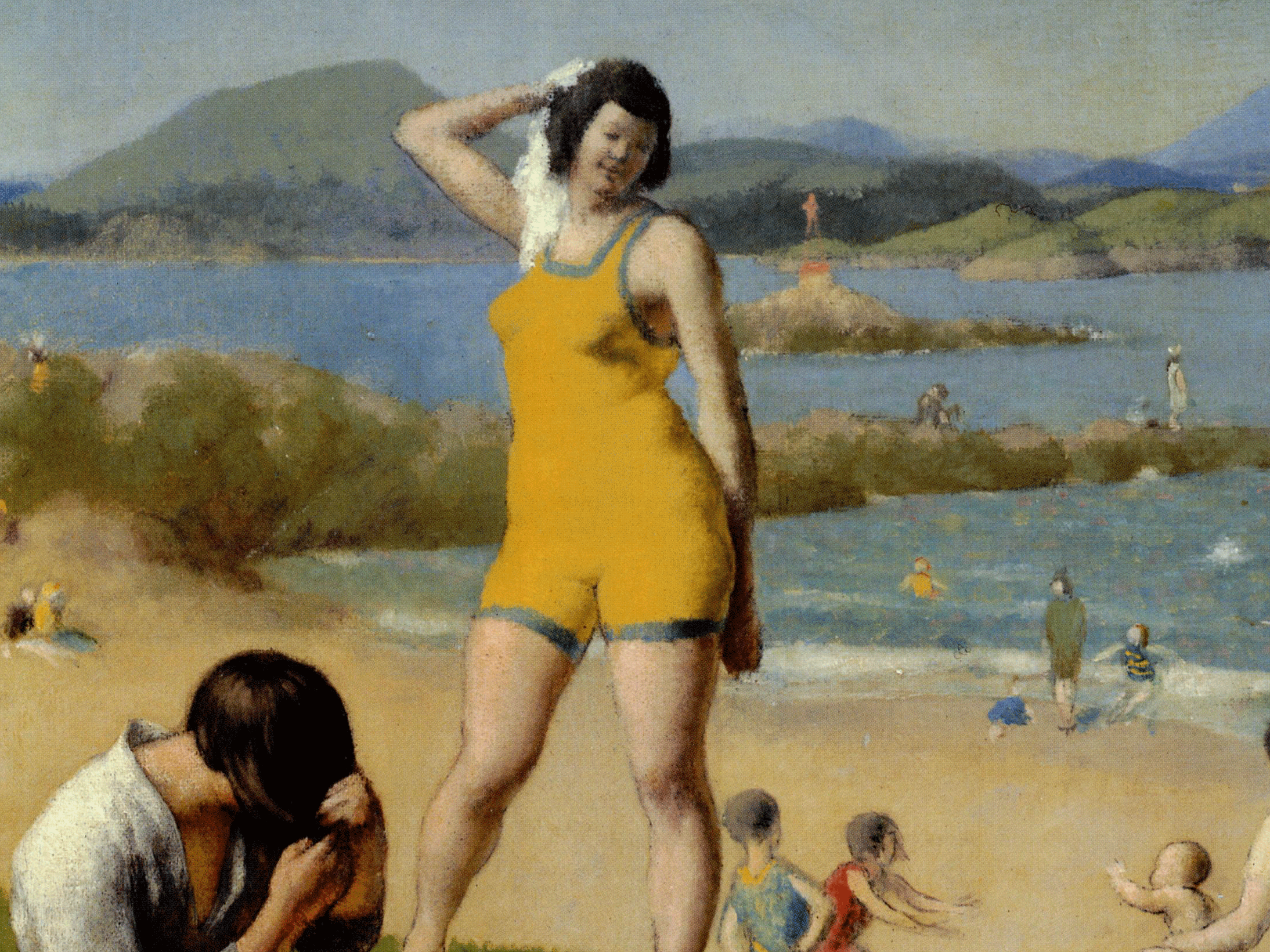
John Luke’s work is often considered arcane; but an exhibition planned for 2012 drawing on his early paintings and works on paper, seeks to clarify, writes Dickon Hall
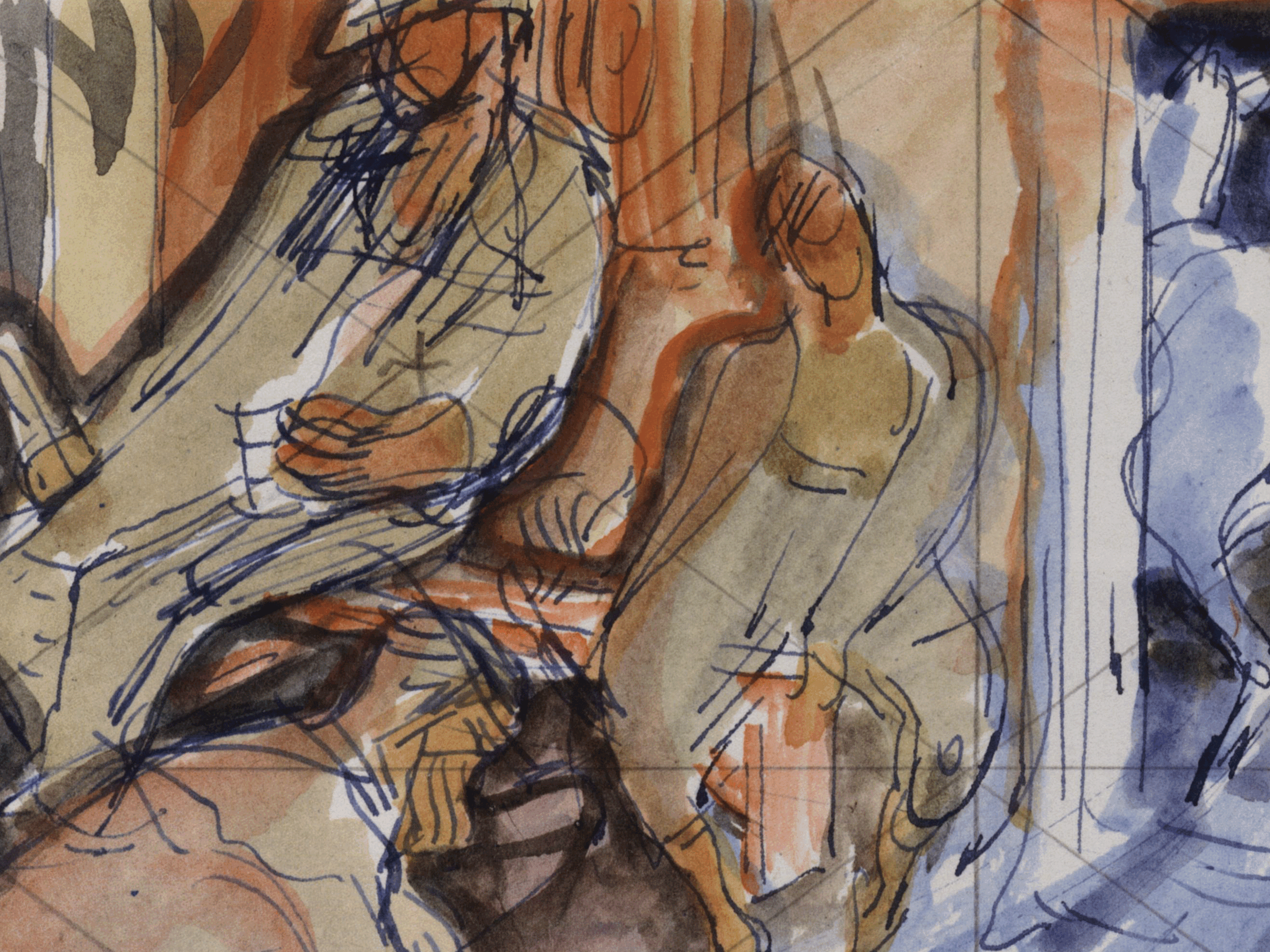
Hilary Pyle recalls the powerful influence of Henri Matisse on Alicia Boyle’s artistic development.
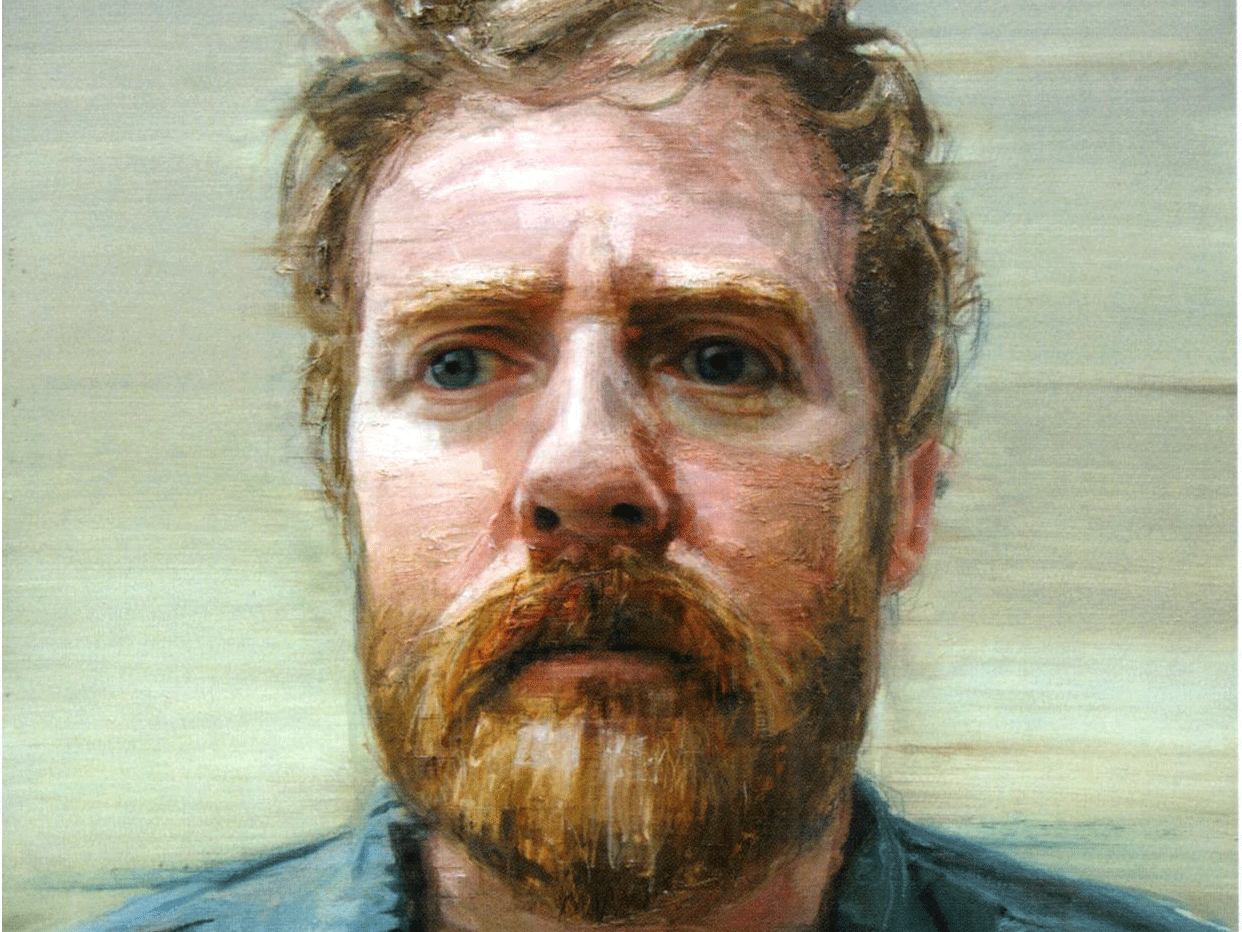
Brian McAvera applauds Colin Davidson’s turn to portraiture as several of his works go on display in Belfast, Dublin and London
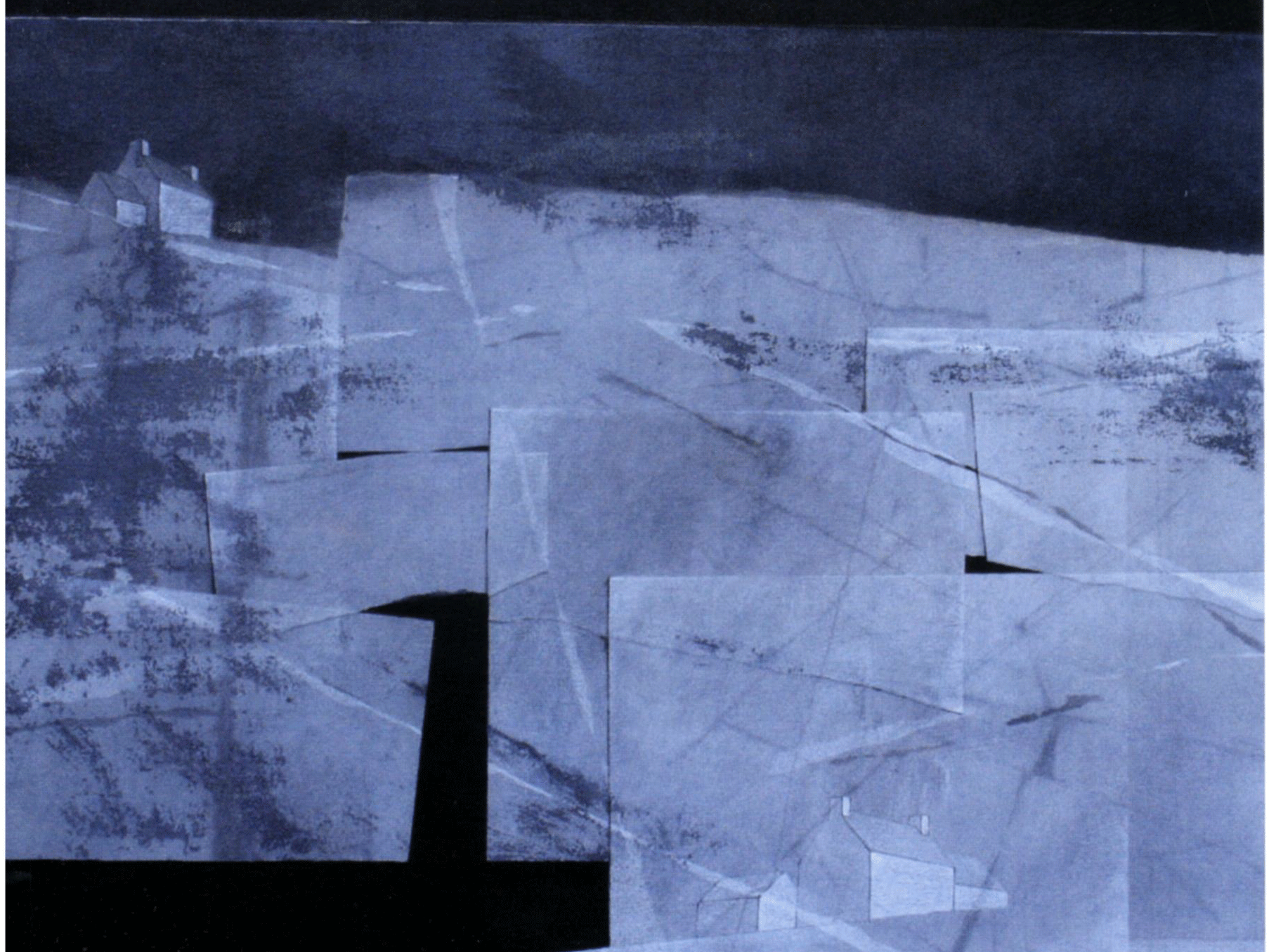
Sarah Downey looks at constancy and evolution in Chris Wilson’s art practice, ahead of his retrospective in April at Strule Arts Centre, Omagh
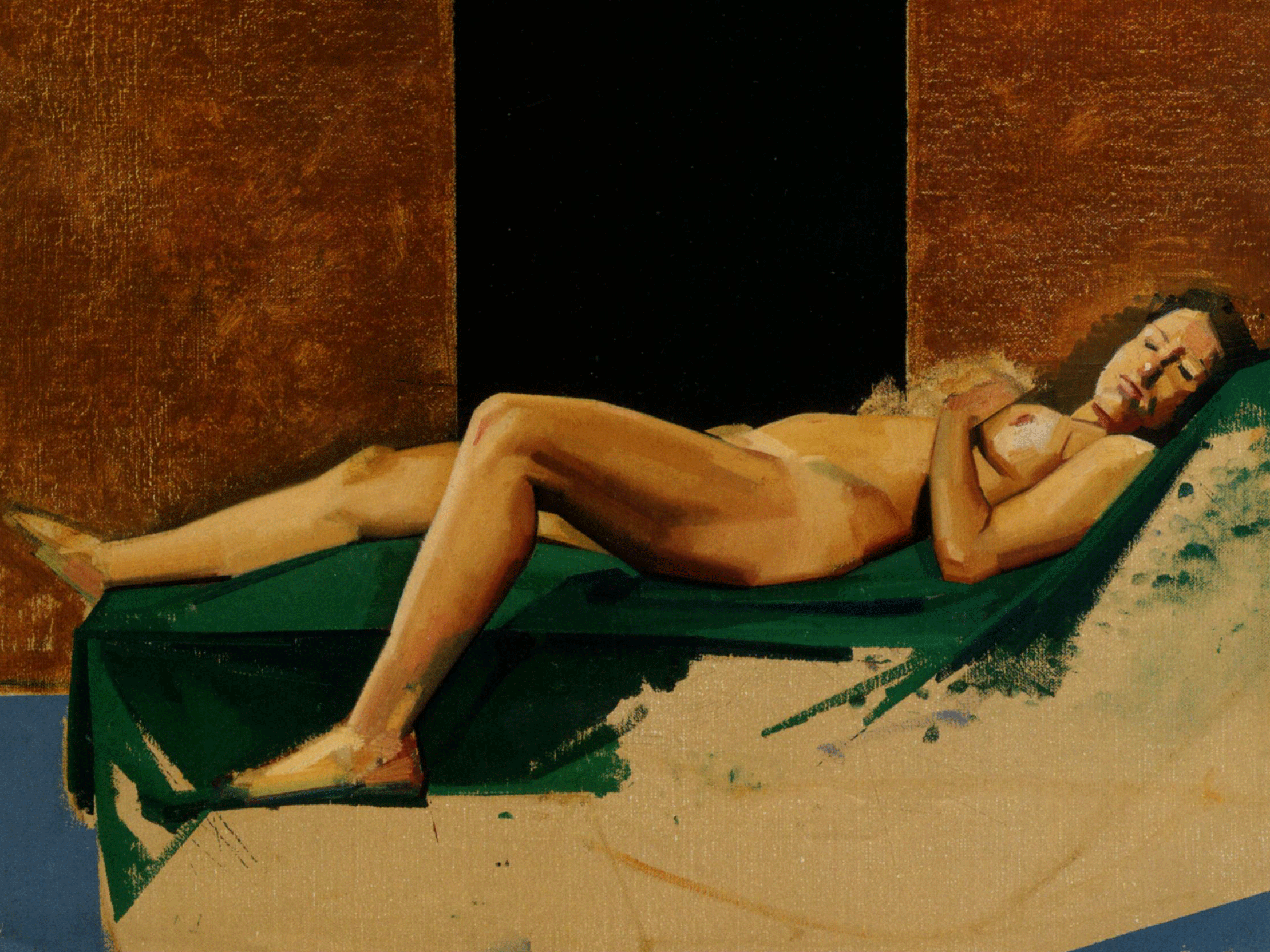
‘The Surreal in Irish Art’ opening at the F E McWilliam Gallery & Studio, Banbridge, Co Down, in May is the first exhibition to explore the influence of Surrealism on Irish art, writes Riann Coulter
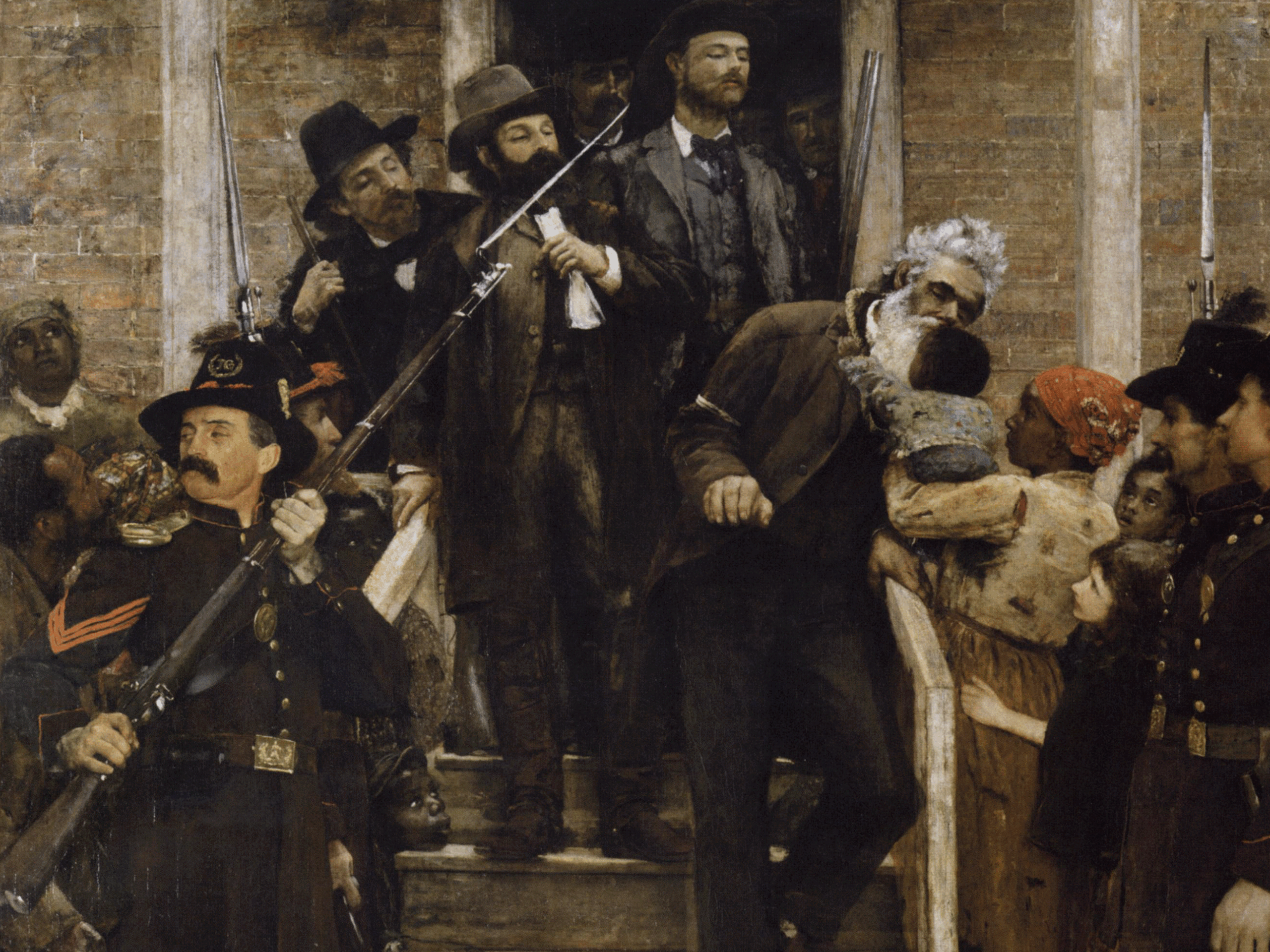
Lawrence William White evaluates the career of Irish-born artist Thomas Hovenden whose humanitarian values found resonance in post-civil war America.
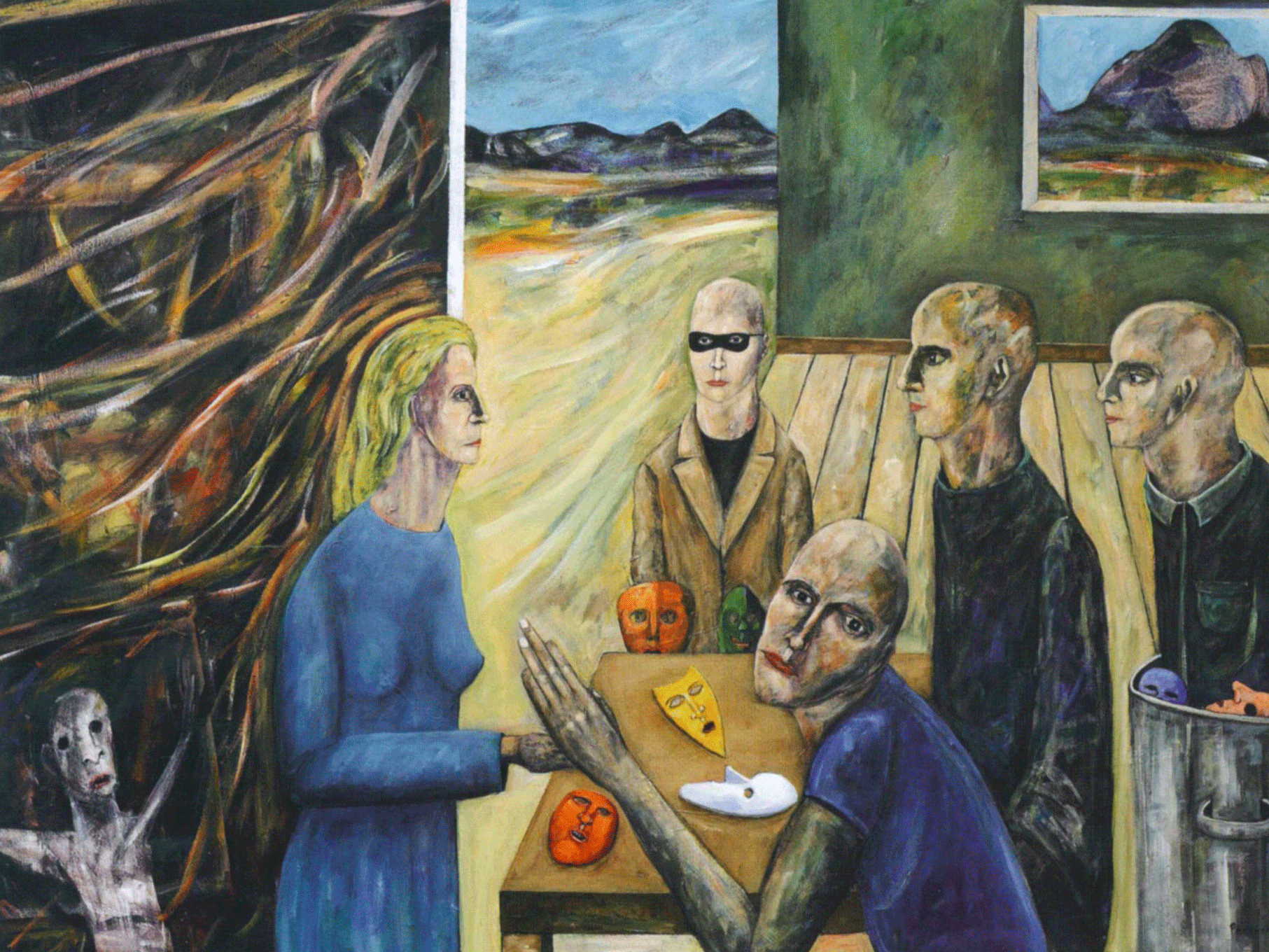
When it comes to art of an unsettling nature is there a disconnection between our intellectual position and our aesthetic response? asks Brian McAvera.
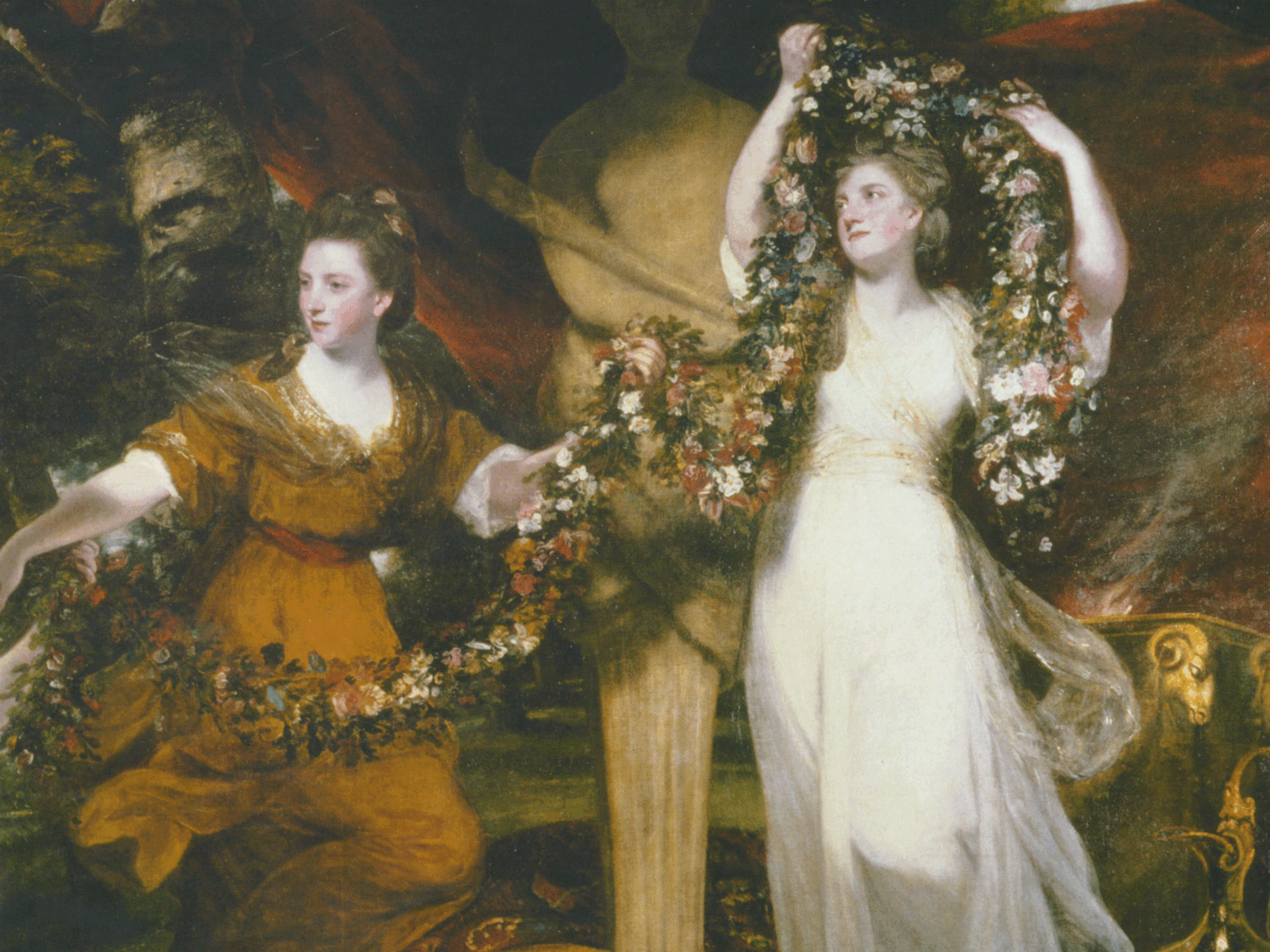
John Coleman discusses Joshua Reynolds’ mastery of the aspirational social portrait as seen in this selection of celebrated beauties from the 18th century.
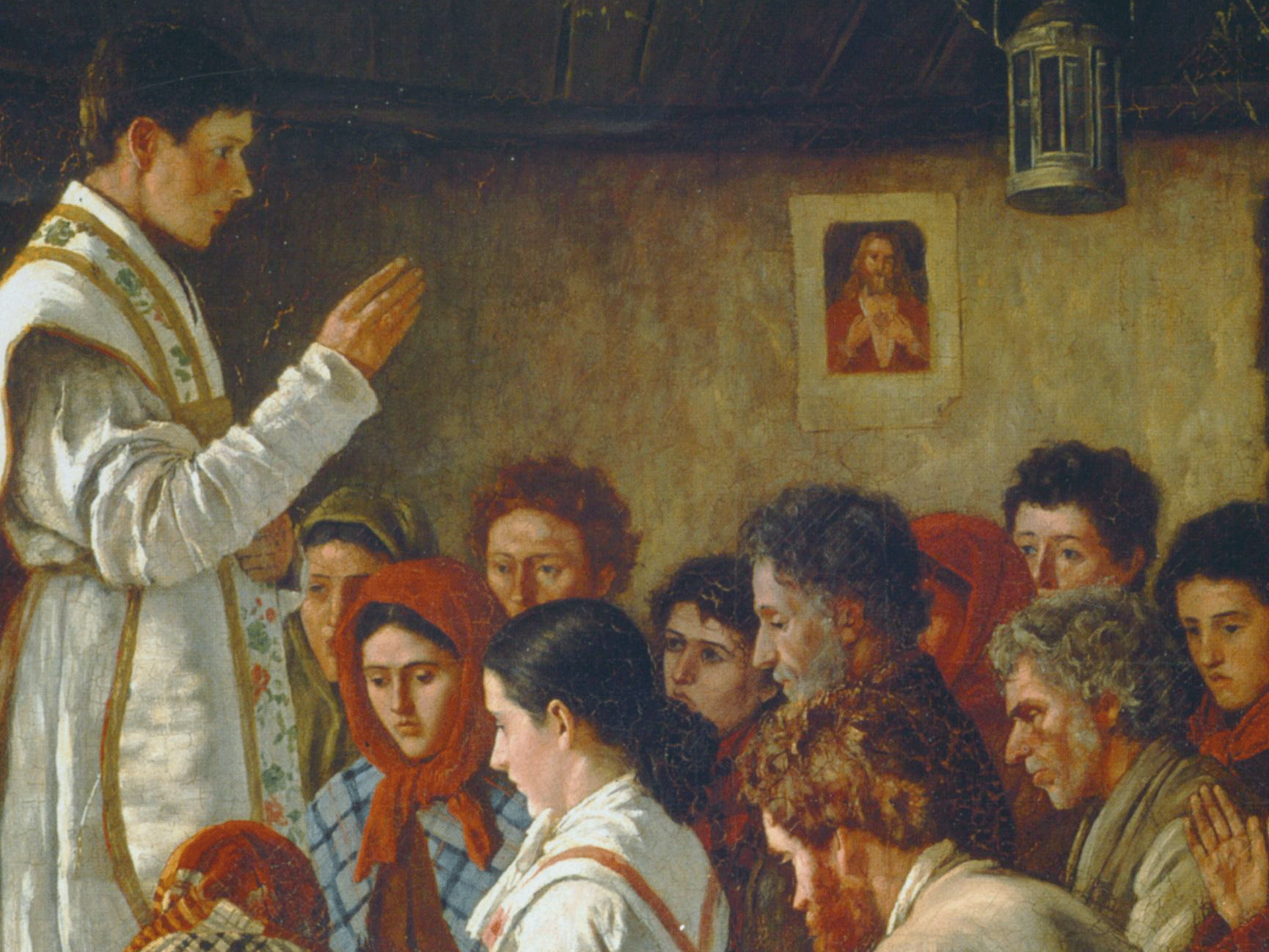
Catherine Marshall welcomes Niamh O’Sullivan’s monograph on the elusive artist and daring individual Aloysius O’Kelly.
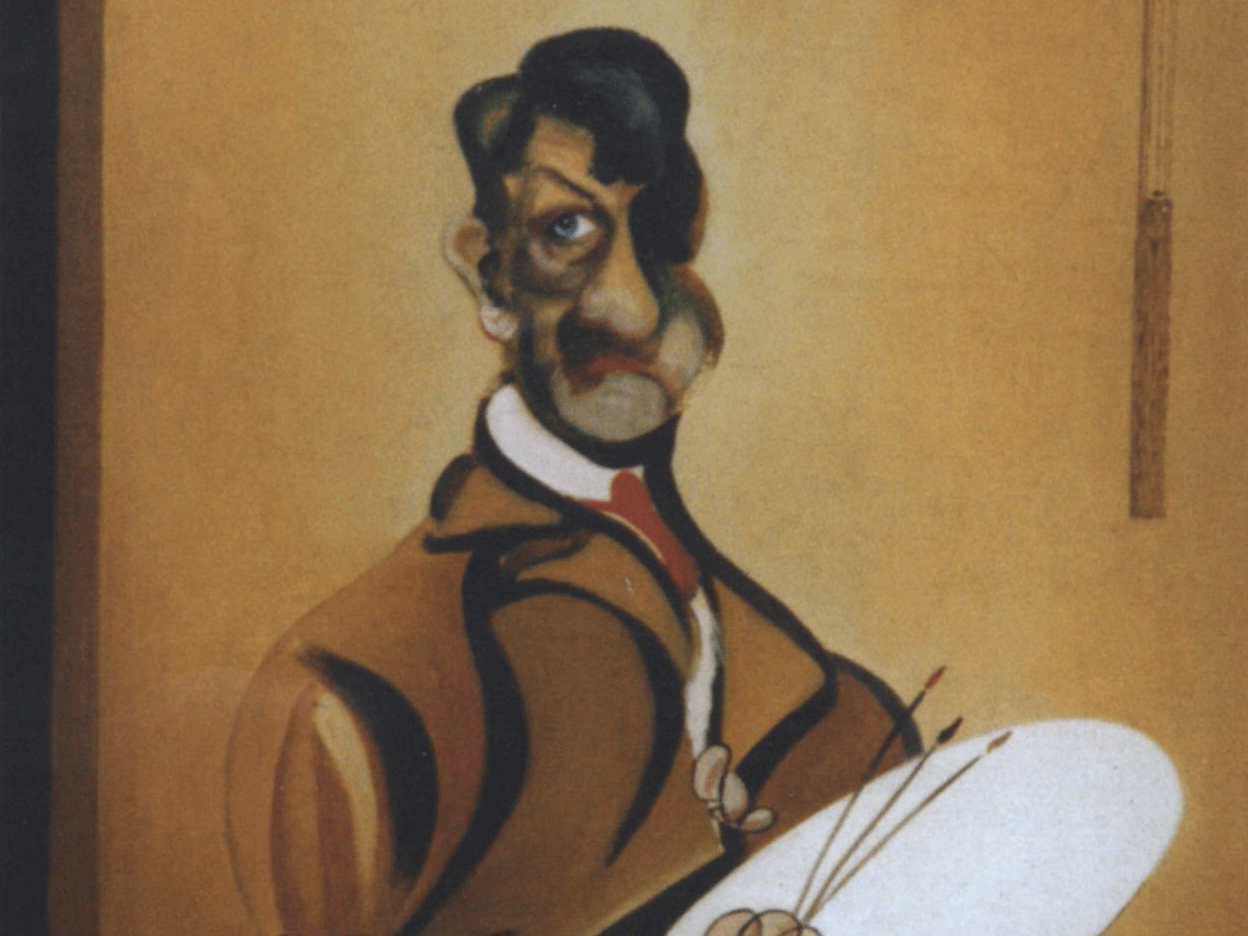
John Schwatschke’s subject matter and style may evoke sources, but his biting Germanic brand of satire belongs to Horace not Juvenal, writes Gerry Walker
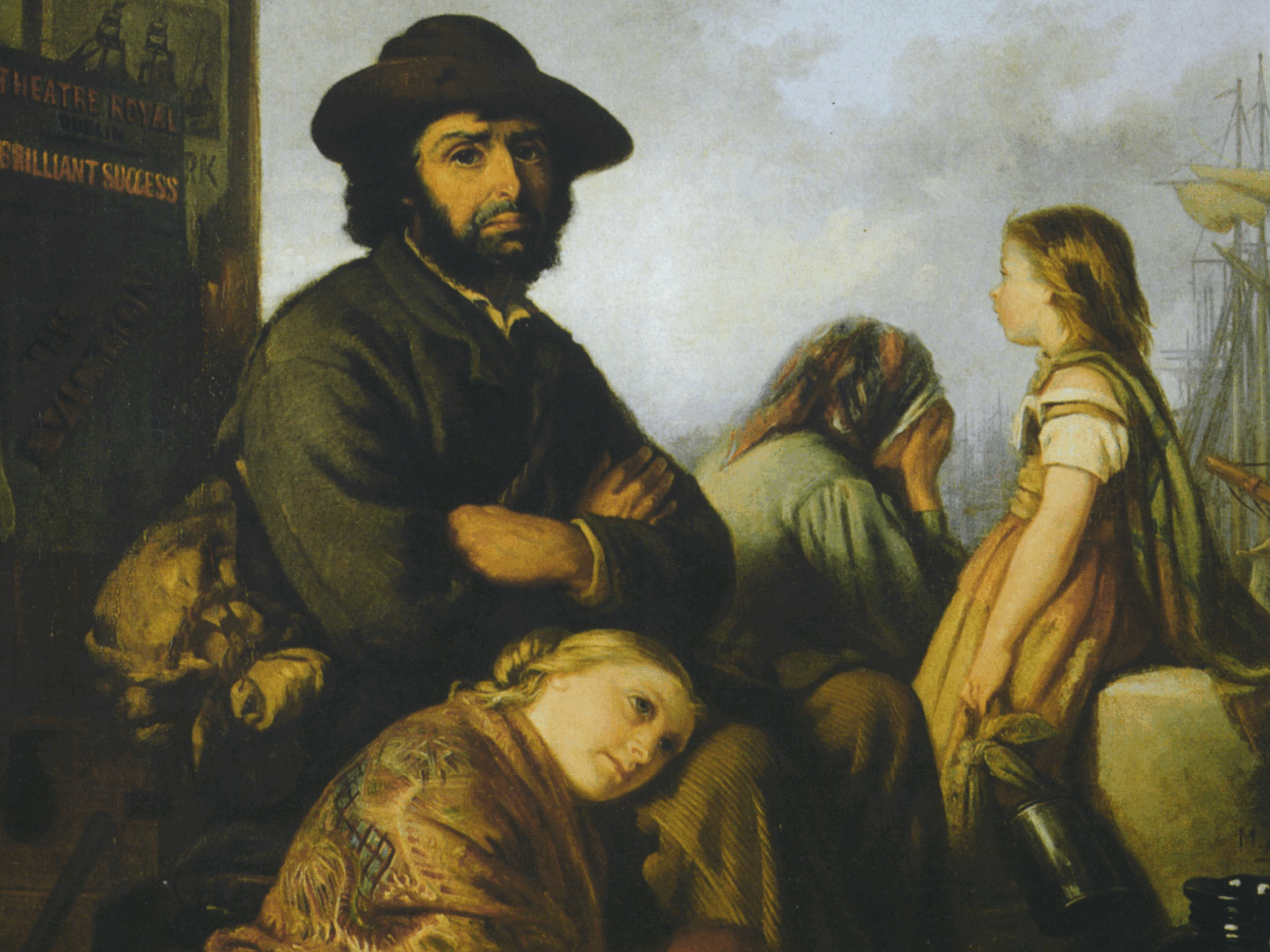
A rejection of Margaret Allen’s nascent political voice in conservative Victorian society prompted her return to uncontroversial subjects, writes Derville Murphy
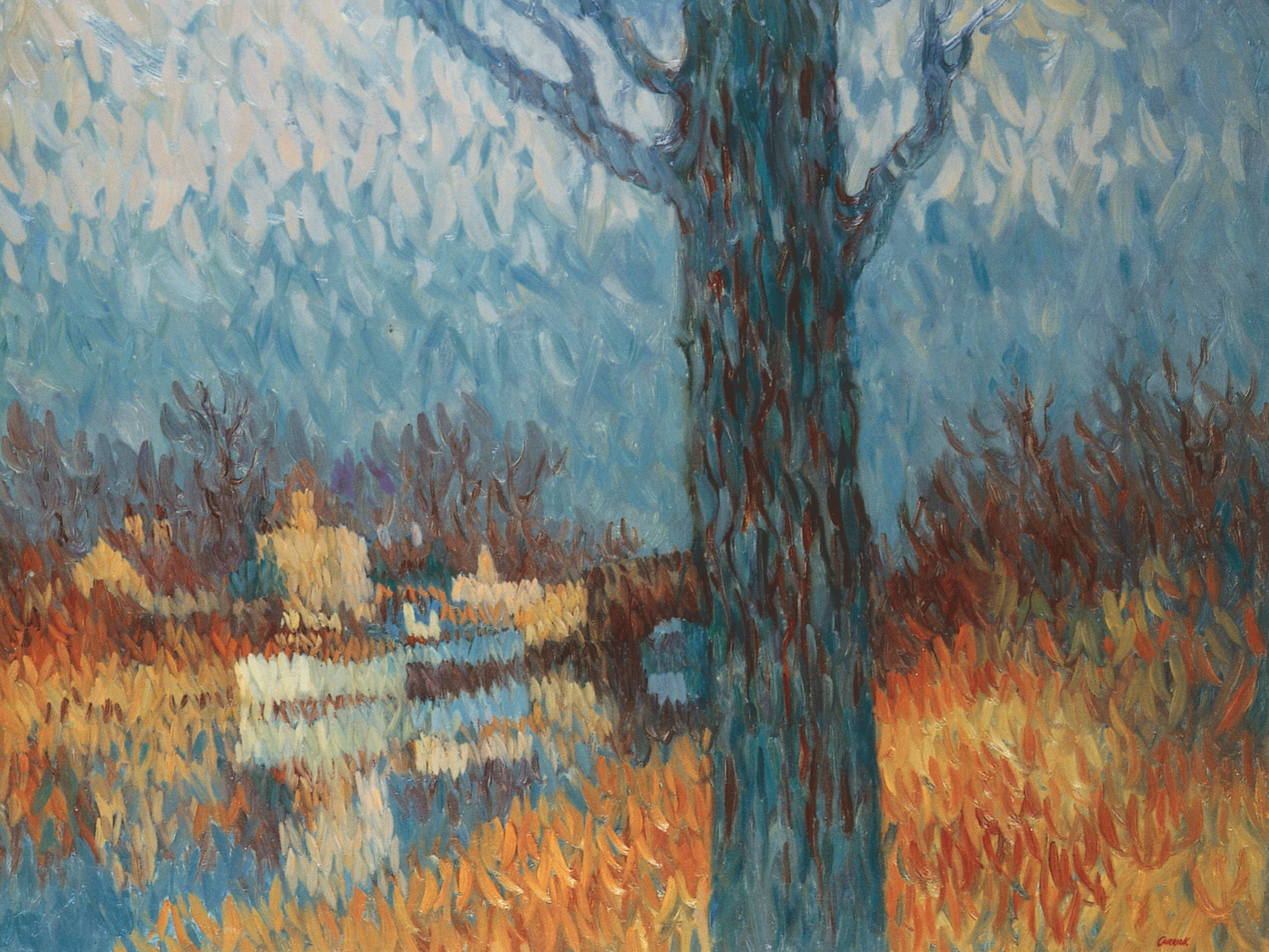
The intense colours and brilliant light of Spain and France have sustained and inspired Irish impressionist Desmond Carrick since his first visit in the 1950s, writes Anne-Marie Keaveney
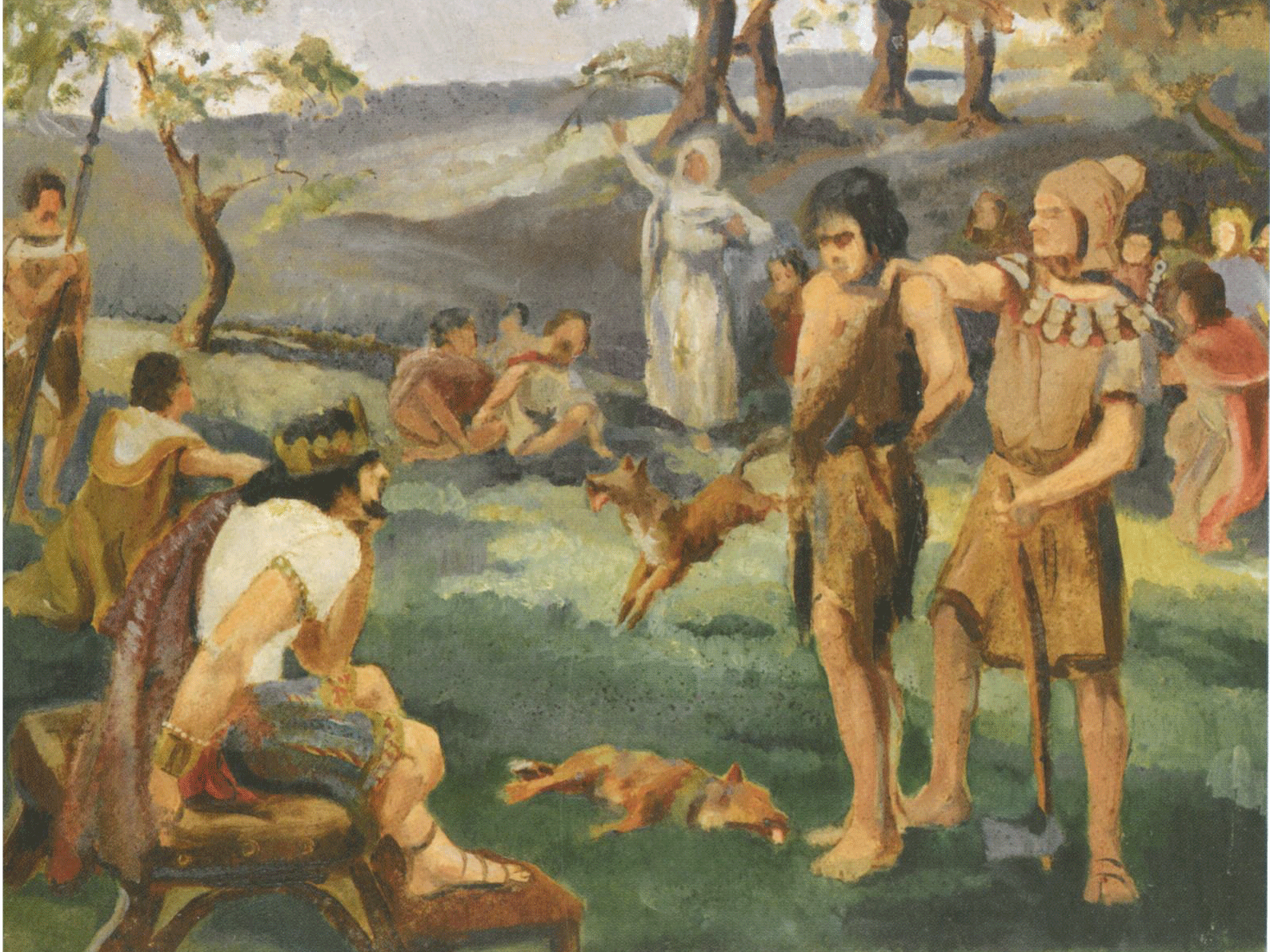
Eamonn Mallie recounts the momentous day in 1983 when Paddy Mackie searched the apple loft at his mother’s home and rediscovered an artist of note
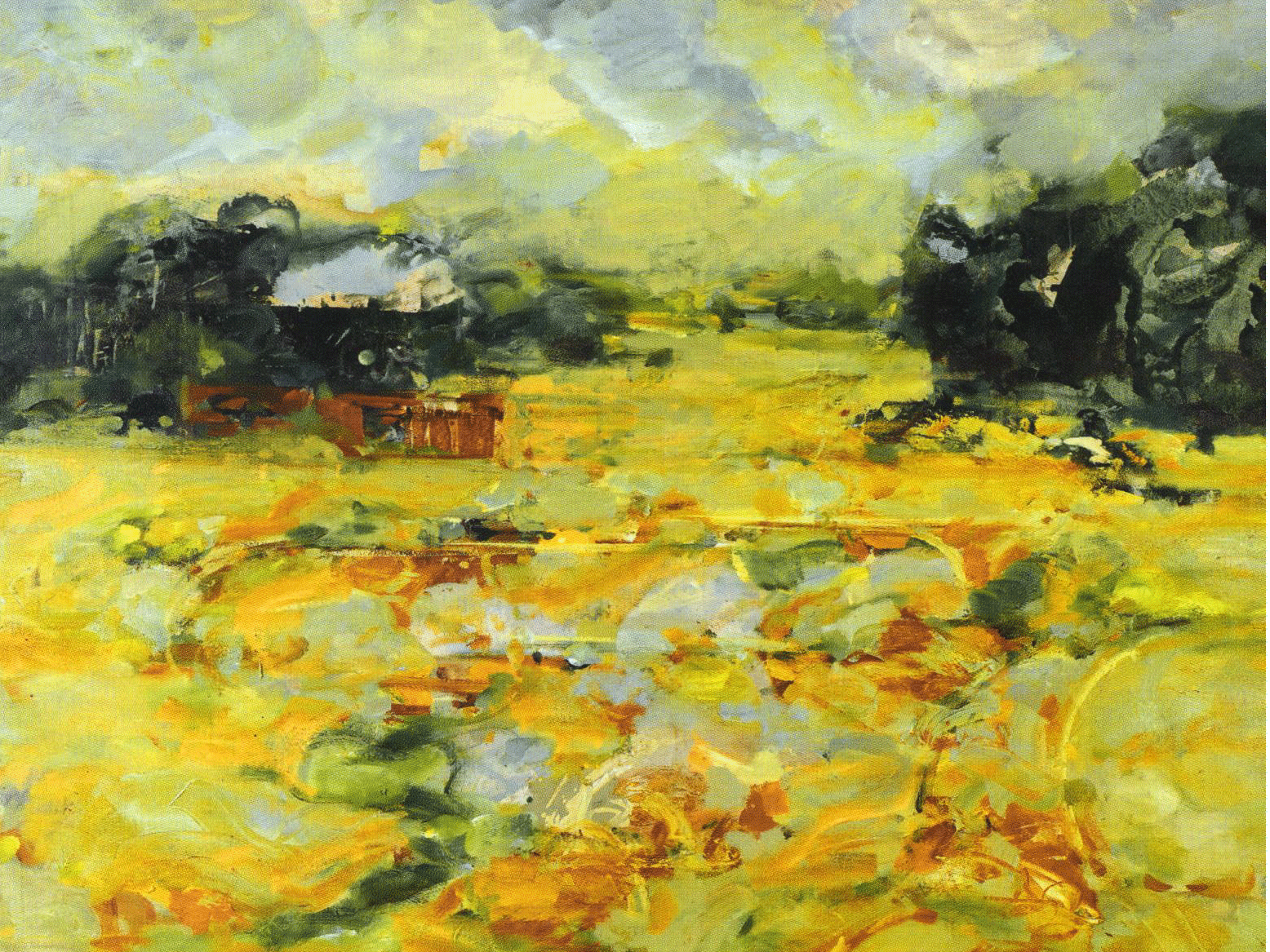
As the Irish Arts Review celebrates its 25th year of publication, Brian McAvera seizes the opportunity to start a process of reframing the usual cartography of contemporary Irish art
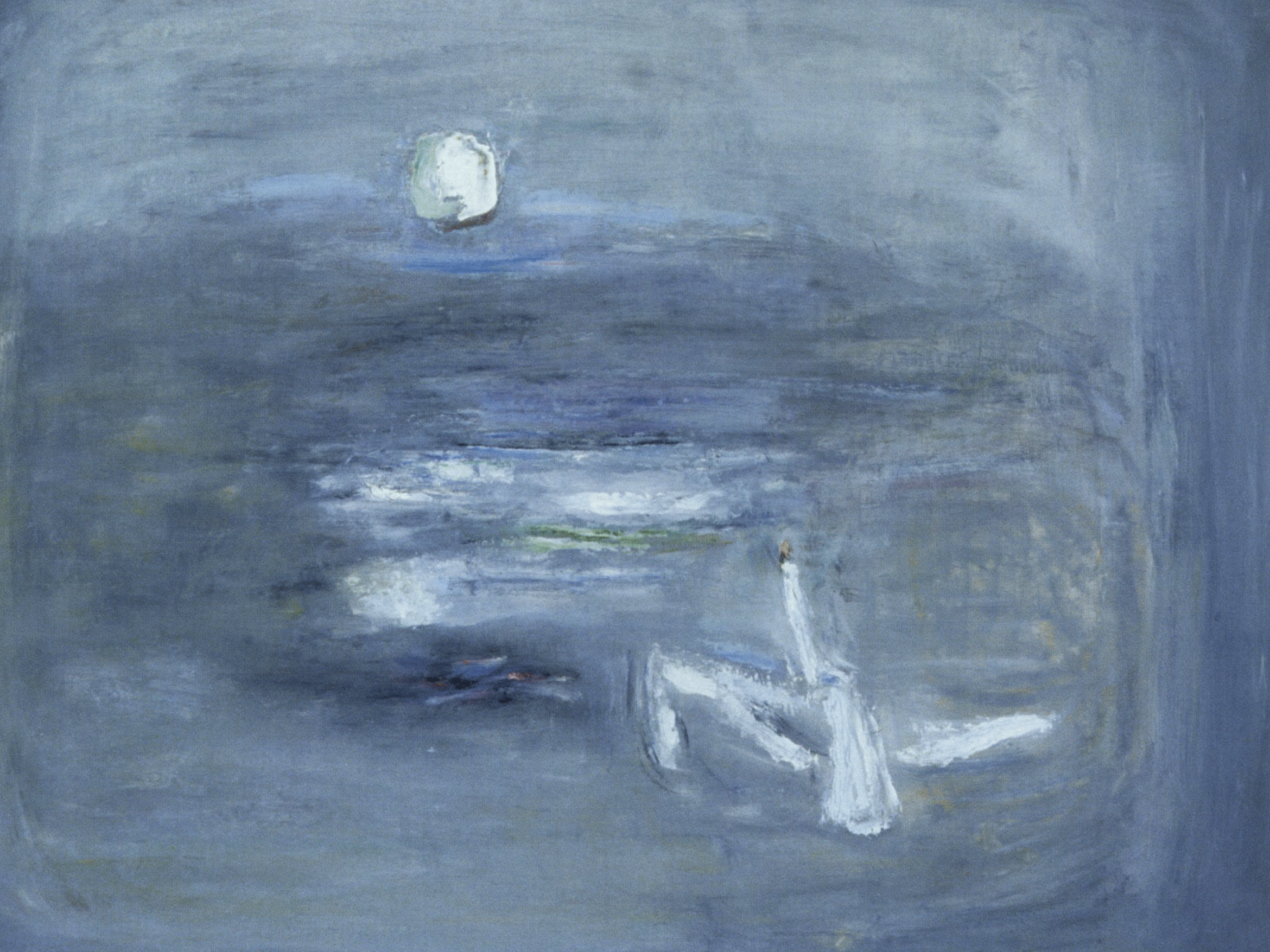
A painting by Patrick Collins is immediately recognisable, modernist in sensibility and wholly original, writes Brian Fallon

Julian Campbell examines the oeuvre of Katherine MacCausland who found comradeship and artistic fulfilment in France
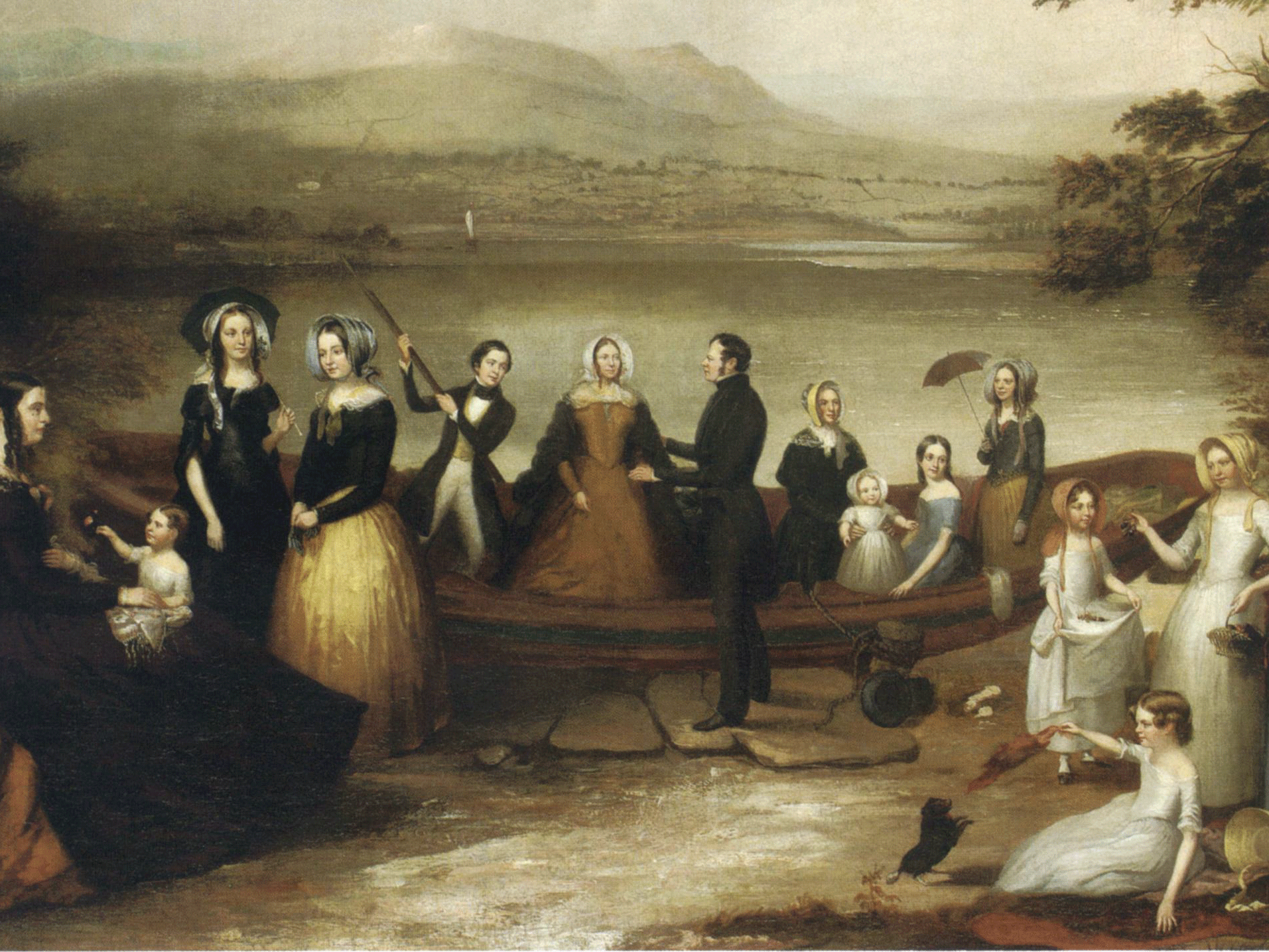
Drawing on previously unpublished miniatures and portraits Mary Stratton Ryan assesses Joseph Patrick Haverty’s intimate portrayal of women and children in 19th-century Ireland
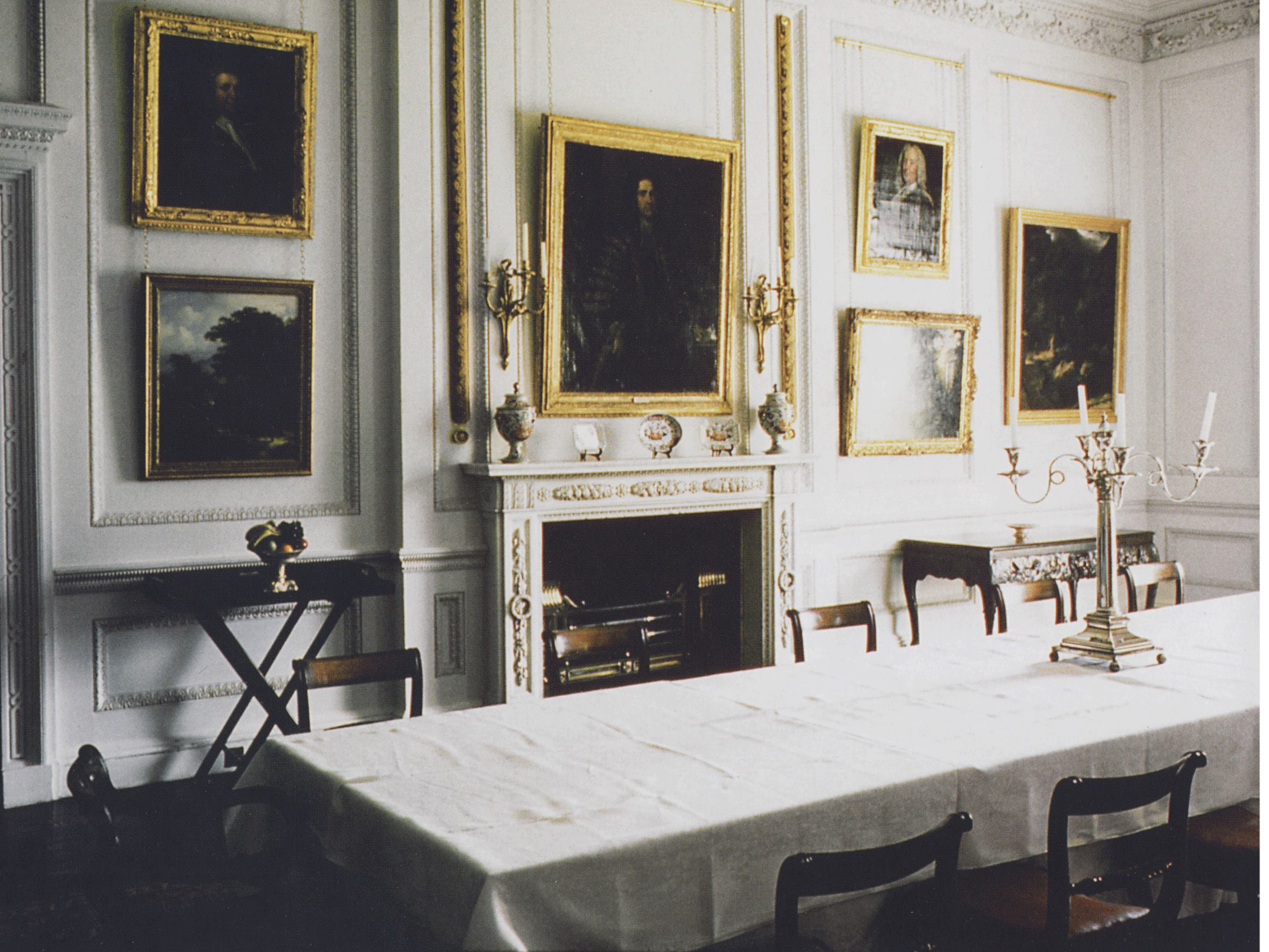
William Laffan applauds the return of seven notable paintings from the Wood Collection to Fota House, Carrigtwohill, Cork
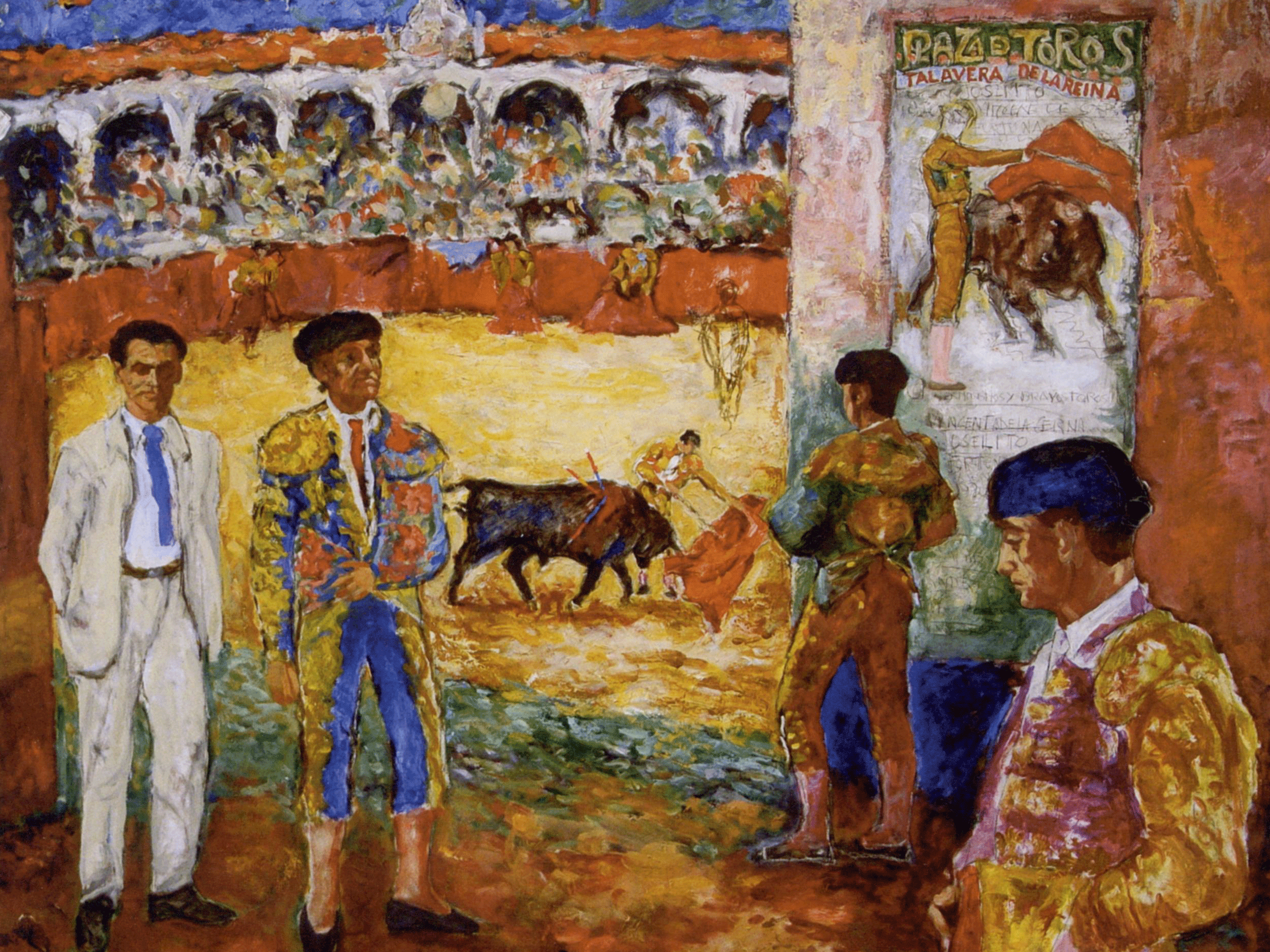
David Clarke’s fascination with the bullfight began after an idyllic period spent in Spain; the theme resurfaced in his later work when it became a metaphor for survival, writes Fiana Griffin
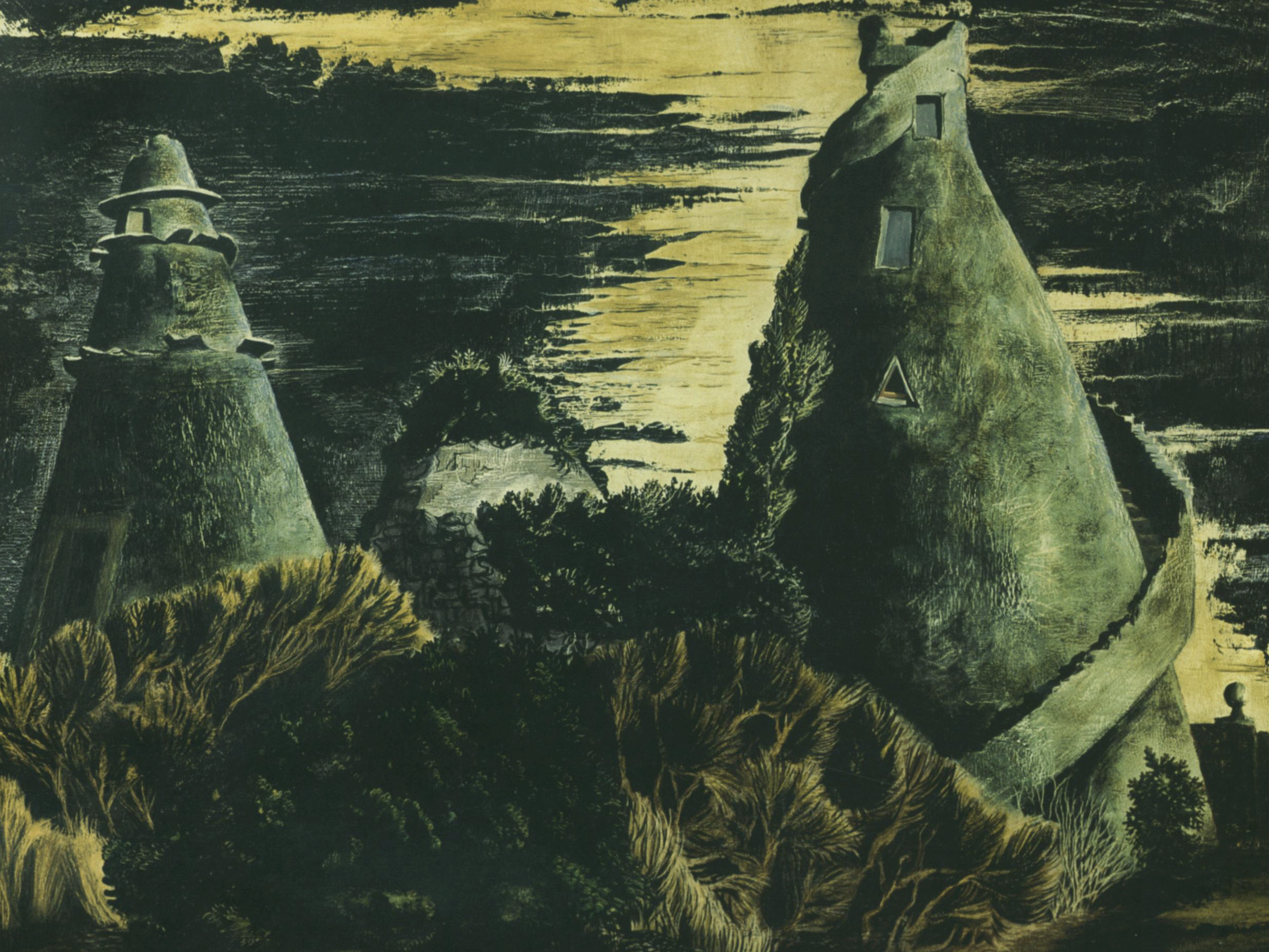
Peter Murray investigates a key period in the career of Thurloe Conolly, a one-time member of the White Stag group, who emigrated to France in the mid 1960s
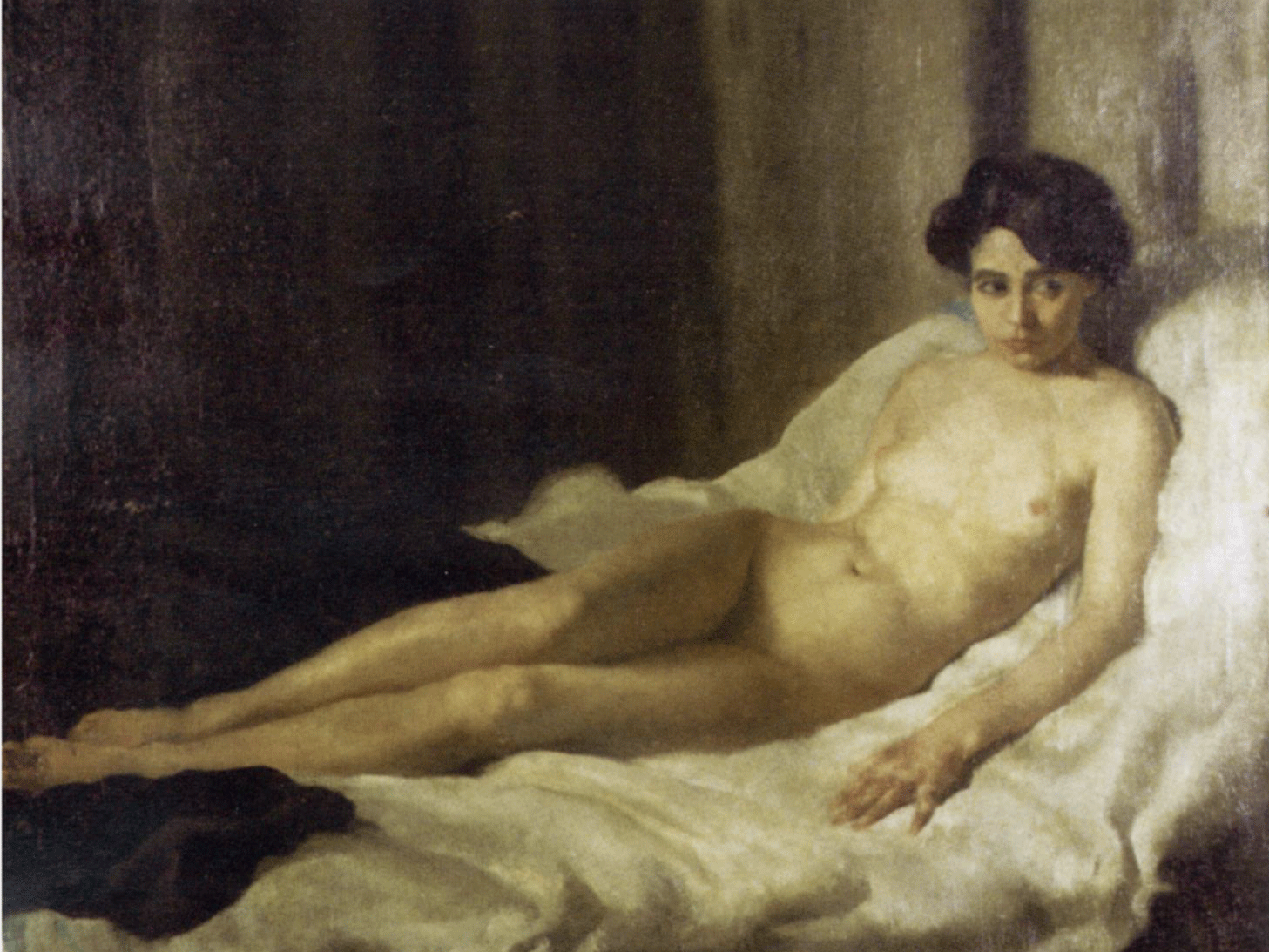
Hilary Pyle recounts the career of Margaret Clarke, an artist of strength and originality with a firm grounding in the academic tradition
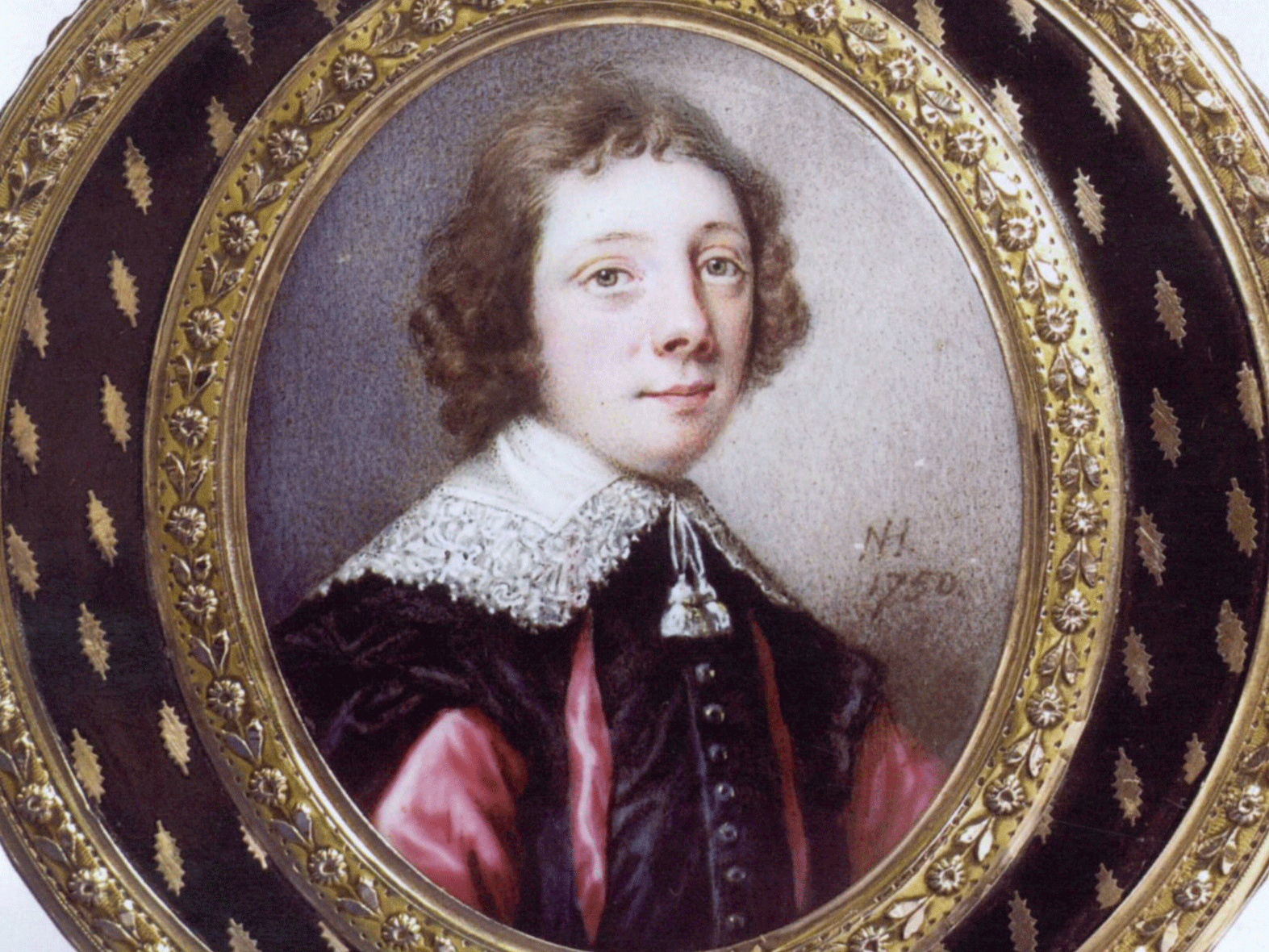
Paul Caffrey examines a newly discovered and undocumented portrait by the leading 18th-century miniaturist

Maurice Harron’s Saints and Scholars herald Offaly’s monastic past, emerging from the chronicles of its landscape, writes Sinead O’Reilly

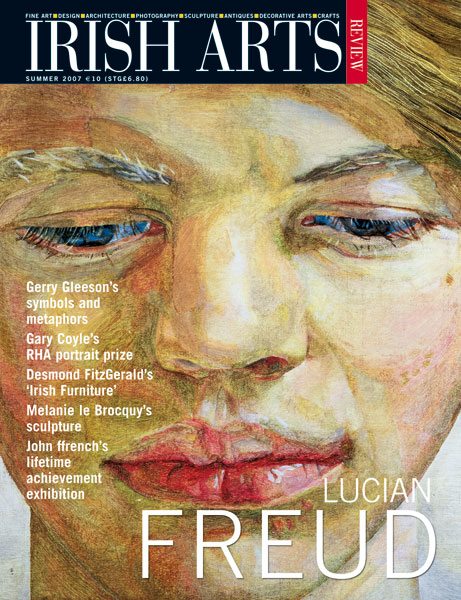
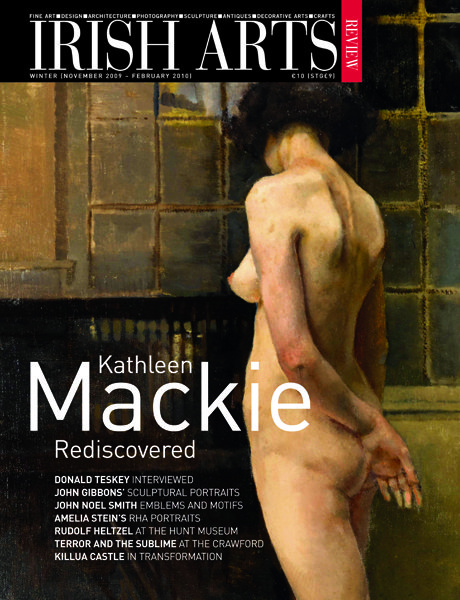

The strong decorative element within Kathleen Holohan’s paintings reflects a sympathetic celebration of the ordinary, Gerry Walker

Before the Government implements their proposed art strategy, Gerry Walker argues that we must redetermine the nature and role of the arts within Irish culture


On the centenary of the artist’s birth, Brian Fallon revisits some personal recollections of George Campbell’s Spanish period

Carla Briggs considers the most potent chapter in Margaret Clarke’s career and the aspirations that fuelled her creativity

Non-naturalistic candy colours imbue Shane Berkery’s new collection of paintings on view at Chimera Galley, Mullingar with a surreal edge, writes Susan Campbell

Gerry Walker welcomes an alternative to the conventions of gallery management in the work of Olivier Cornet

Eddie Rafferty’s love affair with Africa is manifest at his first major survey exhibition on view this summer at the FE McWilliam Gallery, Banbridge, writes Riann Coulter.
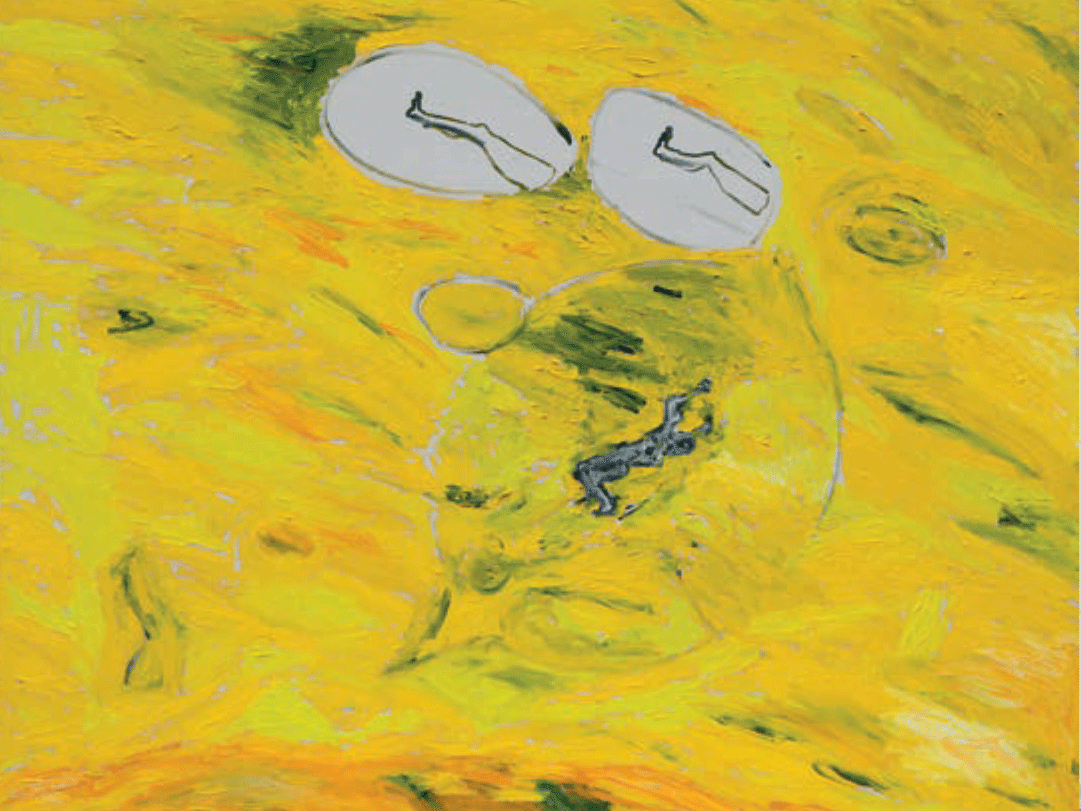
George Warren’s approach to art is influenced and inspired by his interest in analytical psychology, writes Robert Armstrong.
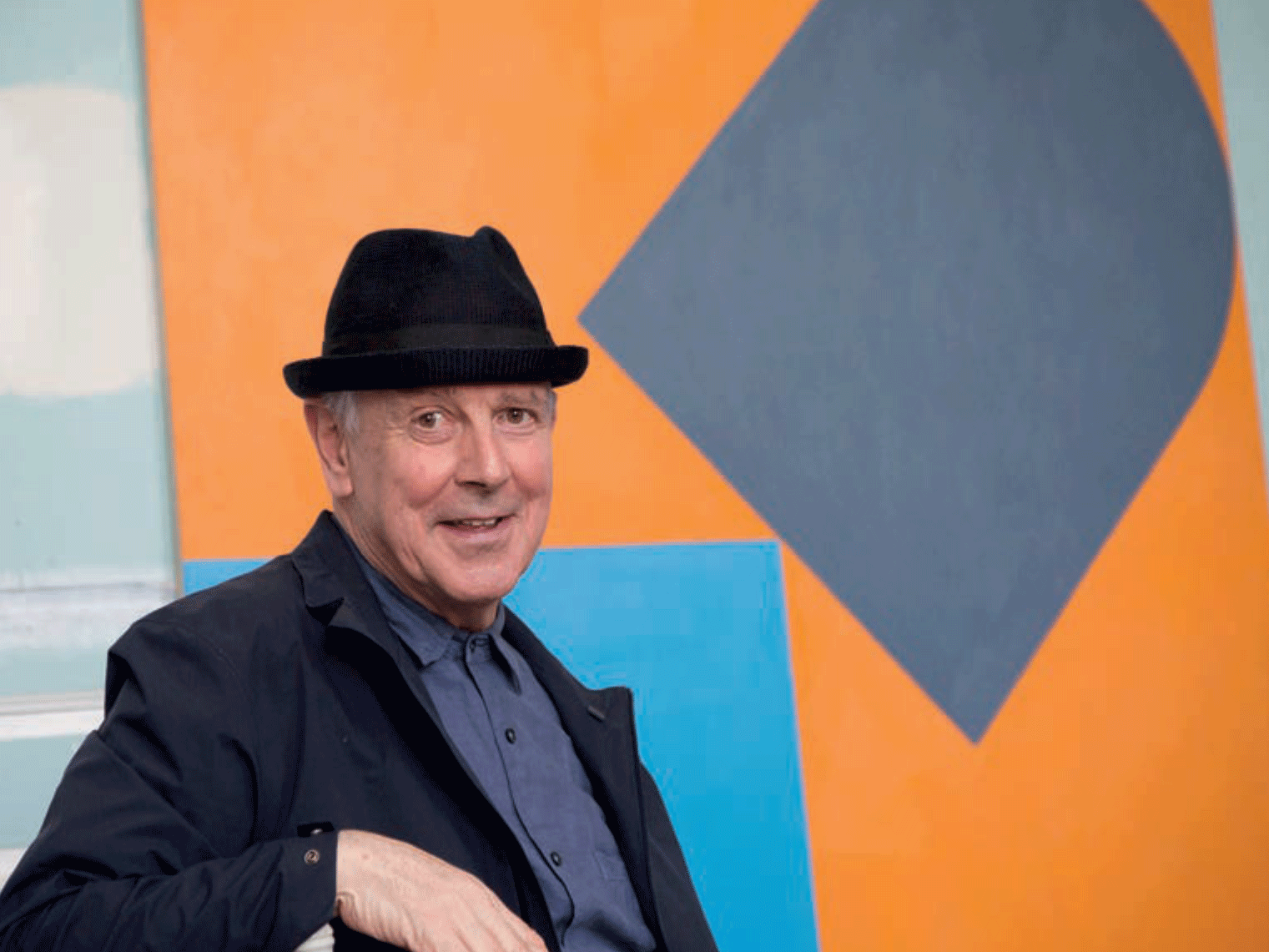
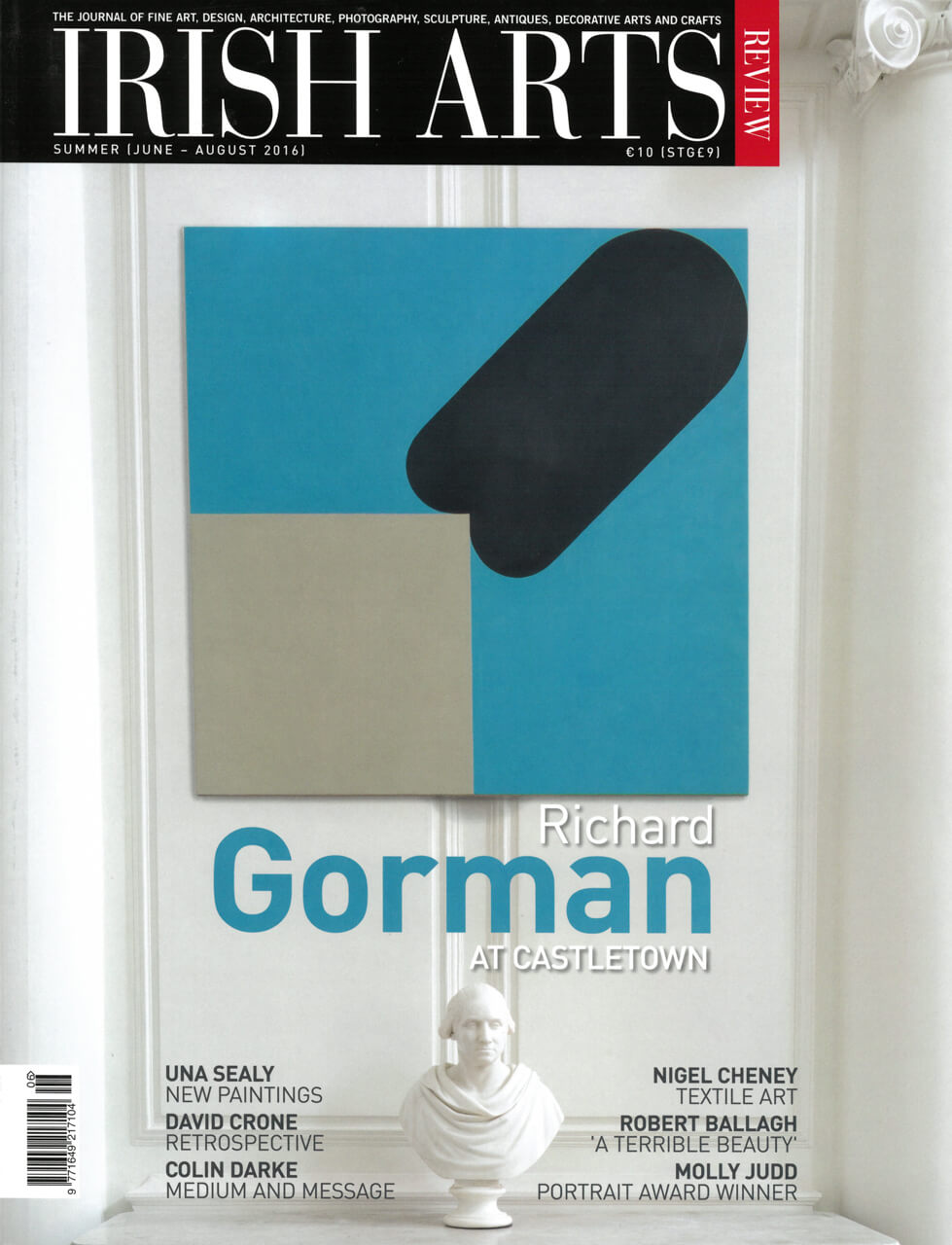
Richard Gorman is marking his 70th year with an exhibition at Castletown, Co Kildare where his colourful abstracts animate the walls of its classical interior, writes Jennifer Goff.
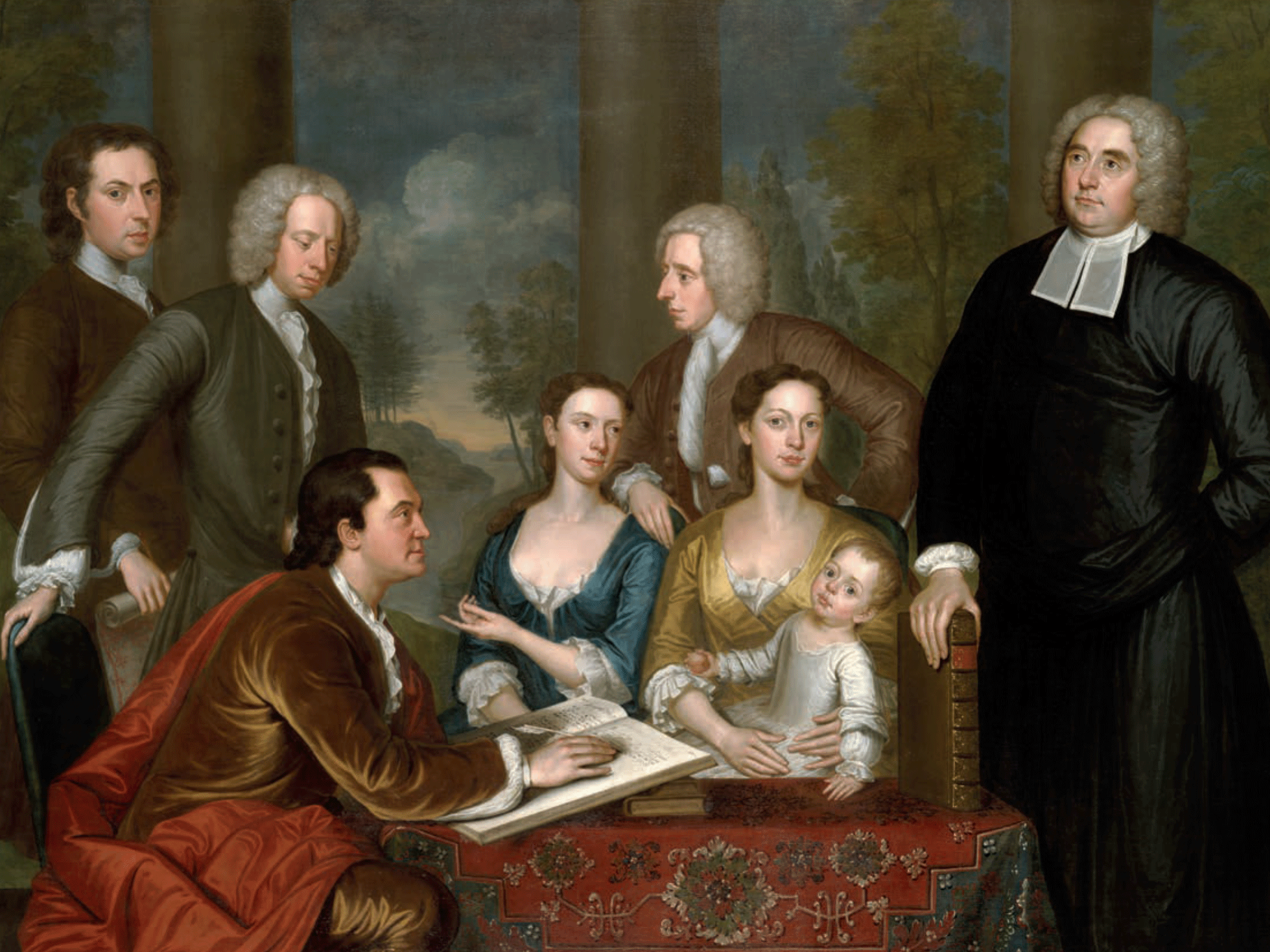
George Berkeley is famous for his contribution to philosophical thought, but less well known for his observations on art, some of which Peter Murray examines here.

Impressively executed and unsettling in effect, Molly Judd’s Murmuring Lights, is a worthy winner of this year’s Ireland-U.S. Council/Irish Arts Review Portraiture Award, writes Donal Maguire.

Isabella Evangelisti previews a collection of new paintings from Una Sealy that take as their focus the edge between land and sea, youth and maturity, on view at the RHA, Dublin.
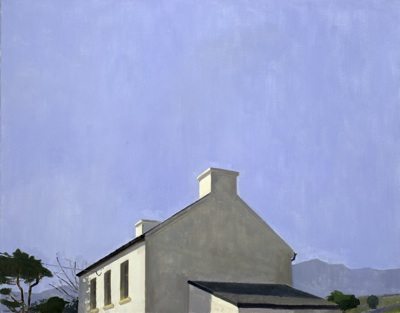
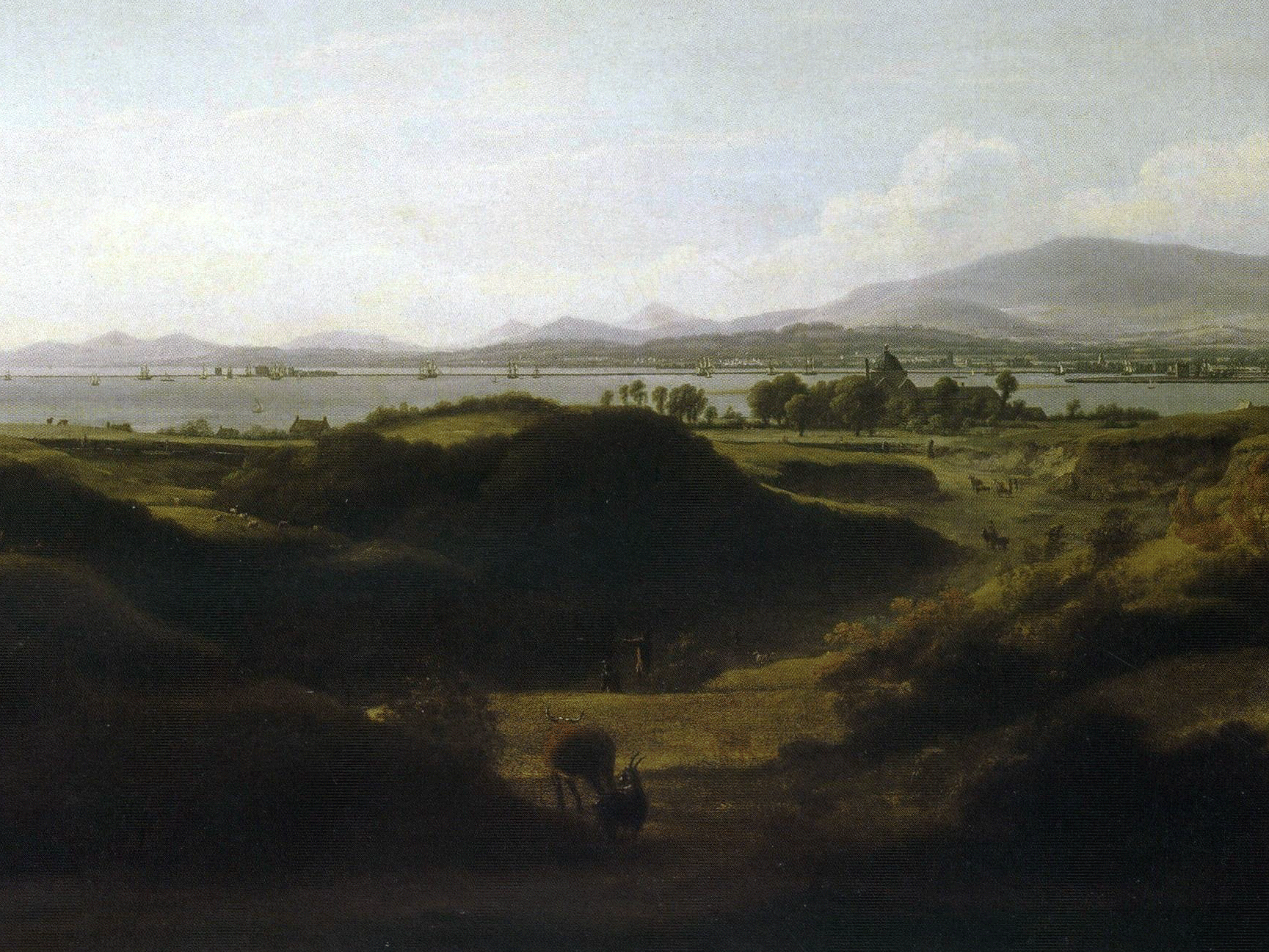
Lord Charlemont’s Casino provides an ideal setting for a landscape exhibition prompting Ruth Musielak to examine some favoured historical views of the vicinity
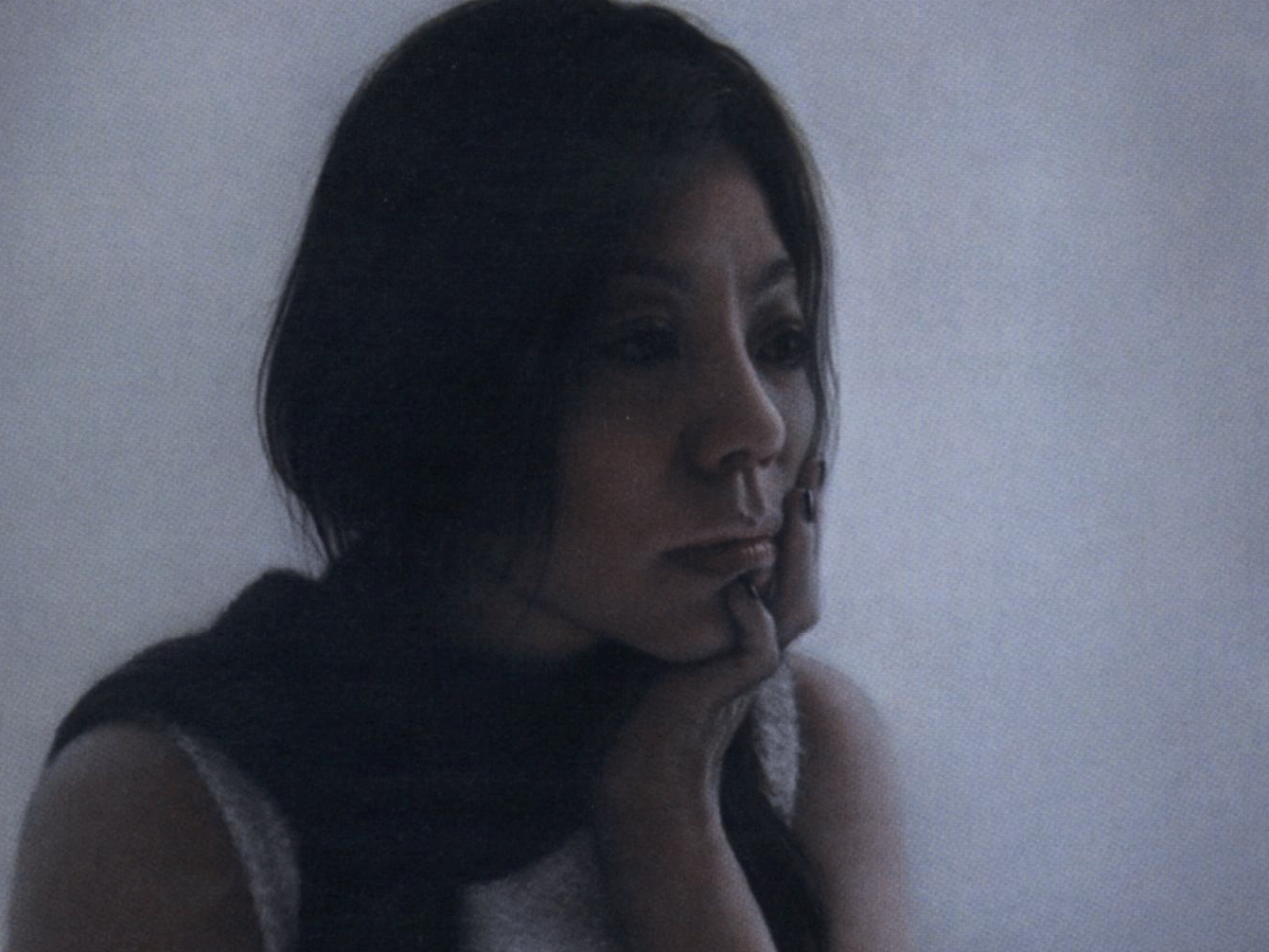
Losing faith in the early success of her work led Miseon Lee on a journey of self-discovery, both in artistic terms and geographically, writes James Hanley
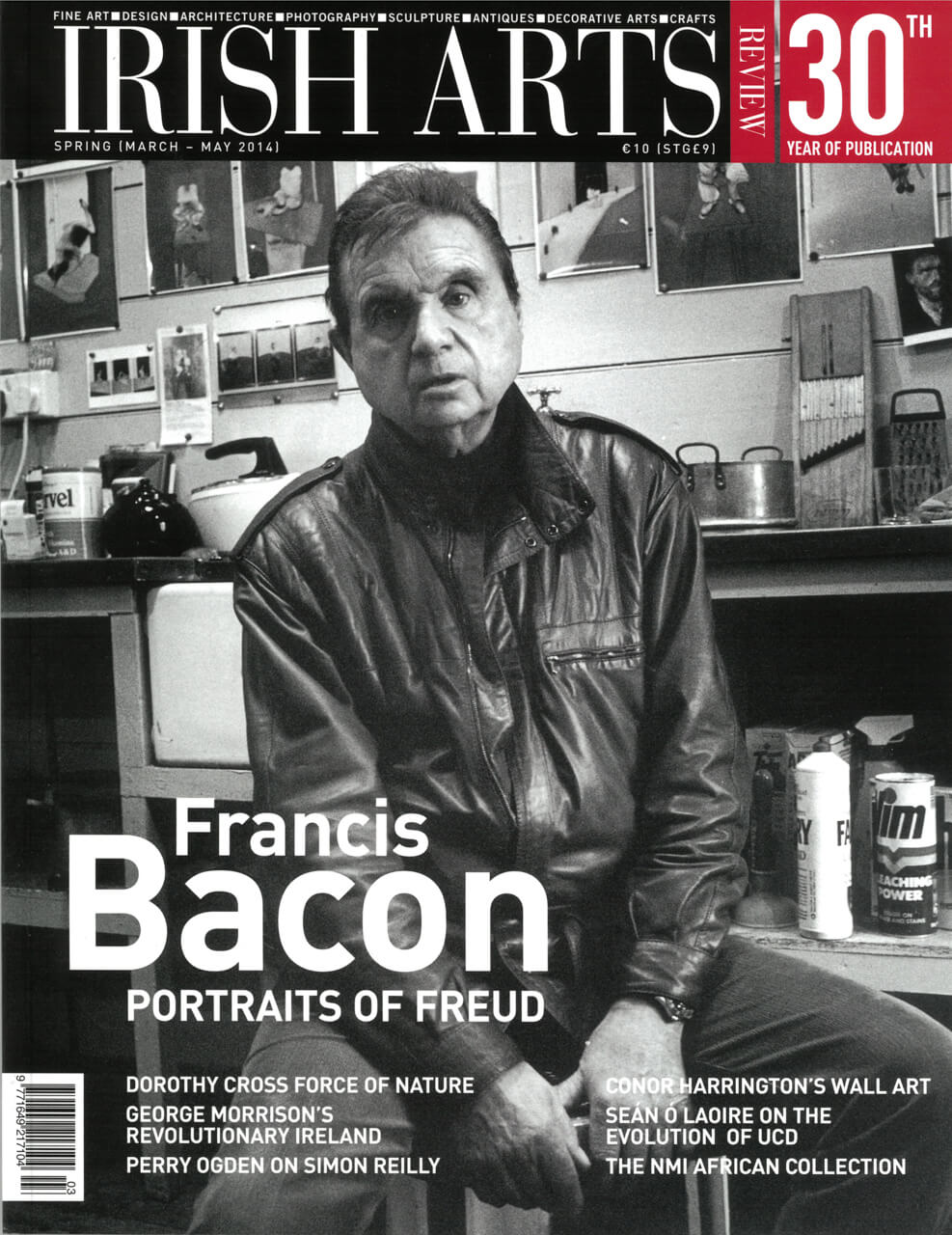
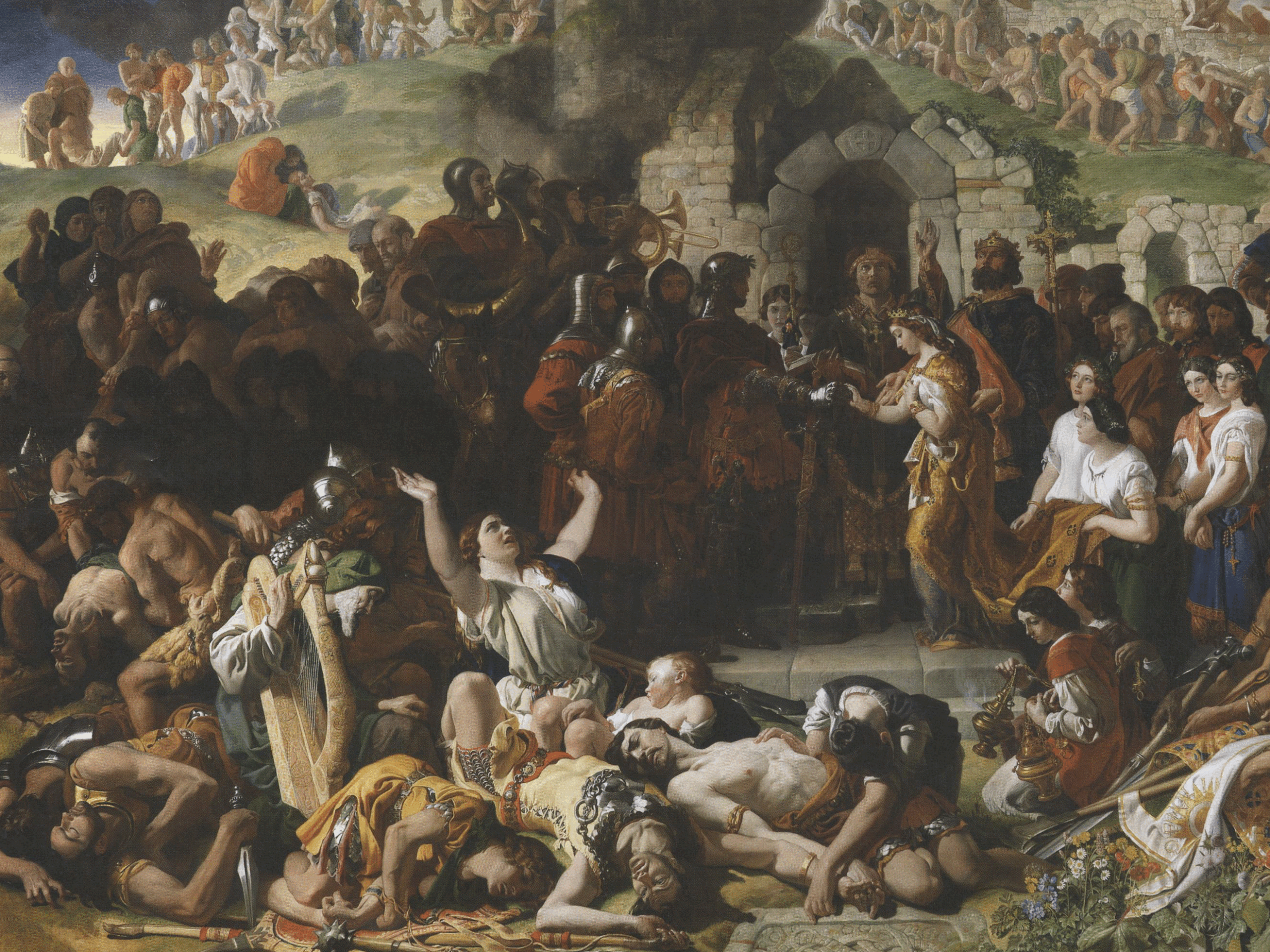
Was Daniel Maclise a proto-Nationalist painter? Peter Murray thinks not, in his assessment of the National Gallery’s recently restored masterpiece.
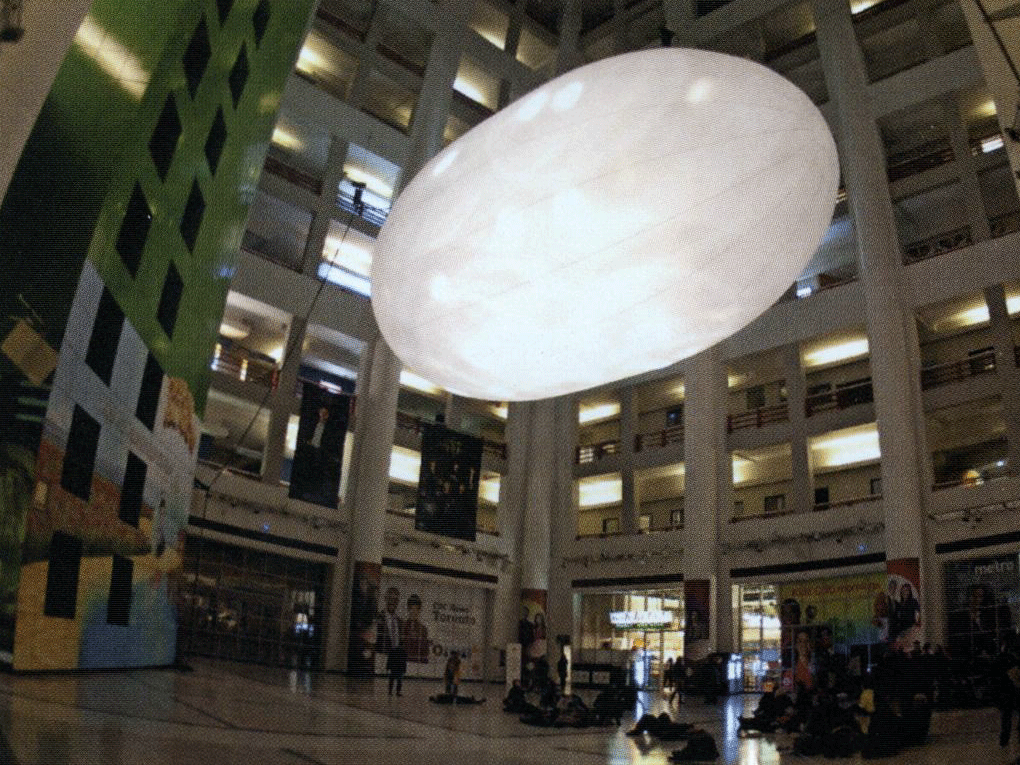
Carissa Farrell reports on sculptor and multi-media artist Andrew Kearney’s new installation ‘Tell Me Something’ for Limerick City of Culture, which continues Kearney’s focus on the policing of the private individual